
Introduction
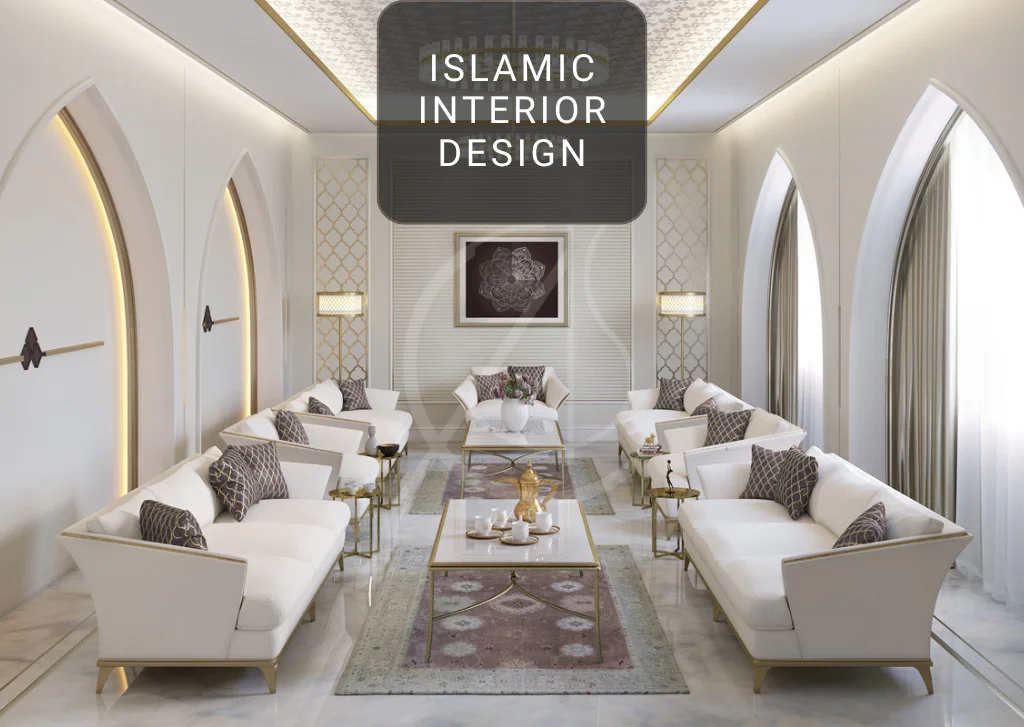
In today’s fast-moving lifestyle, many homeowners in Dubai are looking for interiors that feel peaceful, meaningful, and deeply connected to culture. This is where Islamic Interior Design stands out, as it beautifully combines spirituality, tradition, and modern comfort in one space.
Instead of focusing only on decoration, this design style creates an environment that feels calm, balanced, and welcoming. In the UAE, especially in Dubai, this approach is becoming popular in villas, apartments, and even offices.
Atech Interiors LLC, an interior design company in Dubai, is helping homeowners achieve this look by blending traditional Islamic values with modern design needs in a very practical and elegant way.
The Historical Foundation of Islamic Interior Design
The story of Islamic Interior Design begins more than a thousand years ago, when early Muslim civilizations started developing spaces that reflected both faith and daily life. These interiors were not just about beauty but were designed to support reflection, community gatherings, and comfort.
Over time, influences from Persian, Roman, and Byzantine cultures shaped the style, making it richer and more detailed. During the Islamic Golden Age, this design reached a high level of creativity, where geometry, art, and architecture were combined in a very thoughtful way.
Even today, many homes in Dubai and across the UAE take inspiration from these historical ideas while adapting them to modern living.
Core Elements of Islamic Interior Design
Geometric Patterns and Arabesque Motifs
One of the most noticeable features of Islamic interiors is the use of repeating patterns that seem to go on endlessly. These geometric designs are often created using simple shapes like circles and squares, but when combined, they form very detailed and eye-catching patterns.
Arabesque motifs, which are inspired by nature and flowing plant shapes, are also widely used to soften the look. Together, these patterns create a sense of unity and continuity that feels very calming.
In modern homes, these designs are often used on feature walls, tiles, or even furniture to keep the look elegant but not overwhelming.
Islamic Calligraphy and Decorative Accents
Calligraphy plays a very special role in this design style because it adds both beauty and meaning to a space. Instead of using random decoration, many homeowners choose meaningful words or verses that reflect their beliefs and values.
These can be displayed as wall art, engraved panels, or even subtle design elements in furniture. This makes the interior feel more personal and spiritually connected. In many Dubai homes, this element is used in a modern way so that it blends well with modern interiors.
Harmony, Balance, and Spatial Order
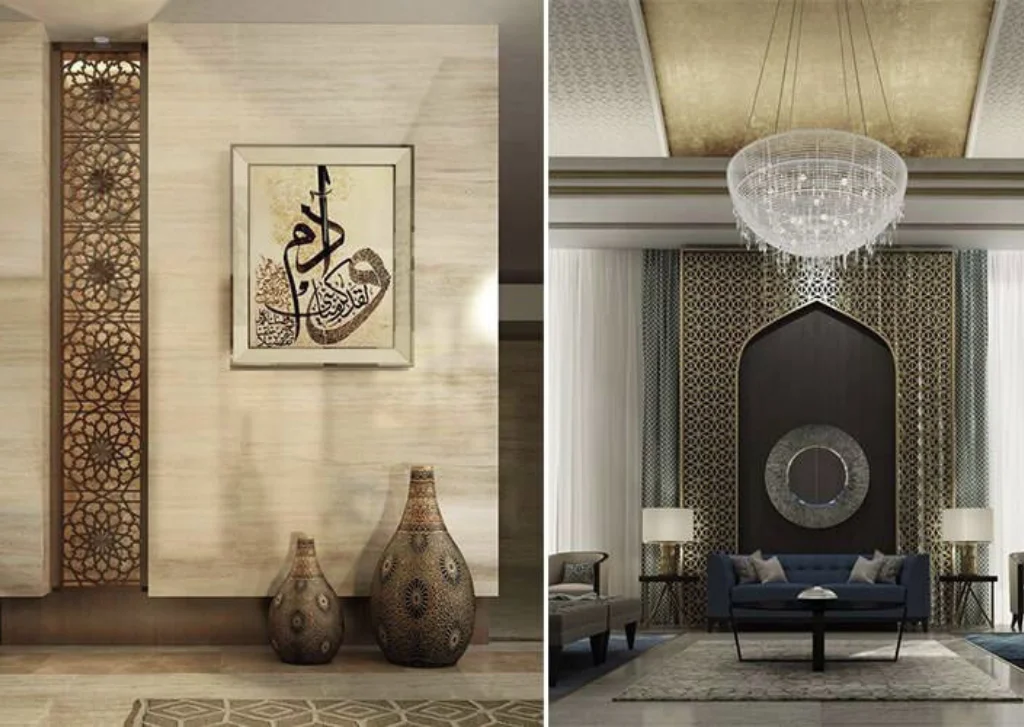
A key idea behind Islamic interiors is that everything should feel balanced and well-organized. Rooms are not filled with unnecessary items, and every element has a purpose and a place. This creates a natural flow where spaces feel open, calm, and easy to use.
Symmetry is often used to make rooms look visually stable and pleasing. This approach is especially useful in urban homes in Dubai, where creating a peaceful environment is very important.
Natural Light, Ventilation, and Courtyard Design
Traditional Islamic homes were designed in a way that allowed natural light and fresh air to move freely through the space. Courtyards were often placed at the center of the home to provide privacy while still letting sunlight in.
This idea is still relevant today, especially in the UAE climate, where proper ventilation helps keep interiors comfortable. Large windows, open layouts, and smart positioning of rooms can make a big difference. Natural light also highlights patterns and textures, making the interior look more vibrant and alive.
Color Palettes and Rich Visual Themes
Colors in Islamic interiors are not chosen randomly, as they often carry deeper meanings and create a certain mood. Deep blues and greens are commonly used because they bring a sense of calmness and connection to nature.
Gold tones are added to give a touch of luxury and warmth, especially in Dubai homes where elegance is important. These rich colors are usually balanced with neutral shades so that the space does not feel too heavy. This combination helps create a look that is both bold and comfortable at the same time.
Materials, Textures, and Stone Detailing
Materials used in this design style are chosen carefully to ensure both beauty and durability. Natural materials like marble, stone, and wood are very common because they add a timeless feel to the space.
Surfaces are often detailed with carvings, patterns, or inlays that show skilled craftsmanship. Textures are layered through fabrics, finishes, and decorative elements to make the interior more interesting. This is why many high-end homes in Dubai prefer this style for a more premium look.
Arches, Mashrabiya Screens, and Architectural Details
Architectural elements play a big role in defining the identity of the space. Arches are often used to create smooth transitions between rooms while adding a sense of elegance.
Mashrabiya screens are another important feature, as they allow light and air to pass through while maintaining privacy. These screens also create beautiful shadow patterns that change throughout the day. Such details make the design both functional and visually unique.
Ceiling and Wall Treatments
In Islamic interiors, walls and ceilings are not left plain, as they are considered an important part of the overall design. Decorative panels, patterns, and carvings are often added to create depth and character.
Ceilings may include subtle designs or lighting features that enhance the space without making it too busy. These treatments help create a complete and well-finished look. In many modern homes, these details are simplified to match contemporary styles.
Lighting Design and Statement Fixtures
Lighting is used not just to brighten a room but also to create a certain mood. Traditional lantern-style lights are still popular, but they are now combined with modern fixtures for a more updated look.
Light passing through patterned screens or fixtures creates soft shadows that add beauty to the space. Statement lighting pieces are often used as focal points in living areas. This approach works very well in a modern Islamic interior setting.
Textiles, Carpets, and Soft Furnishings
Soft furnishings are an essential part of making a home feel comfortable and inviting. Carpets, cushions, and curtains often feature detailed patterns that match the overall design theme.
These elements also add warmth and softness, especially in living areas. Many homeowners focus on designing a cozy Islamic interior design living room using layered textiles. This makes the space perfect for both relaxation and social gatherings.
Sustainable Materials and Eco-Friendly Elements
Interestingly, many traditional Islamic design principles are already eco-friendly. Features like courtyards, thick walls, and natural ventilation help reduce heat and energy use. Today, these ideas are combined with modern sustainable materials to create environmentally responsible homes. Using long-lasting materials also reduces waste over time. This makes the design both practical and future-friendly.
Smart Technology Integration in Islamic Interiors
Modern homes in Dubai are now combining tradition with smart technology. Features like automated lighting, temperature control, and smart systems are added without disturbing the design style.
This allows homeowners to enjoy convenience while still maintaining a traditional look. Technology is also used to create precise geometric patterns and custom designs. This blend of old and new is a key part of modern Islamic interior design.
Majlis Design Ideas for Dubai Homes
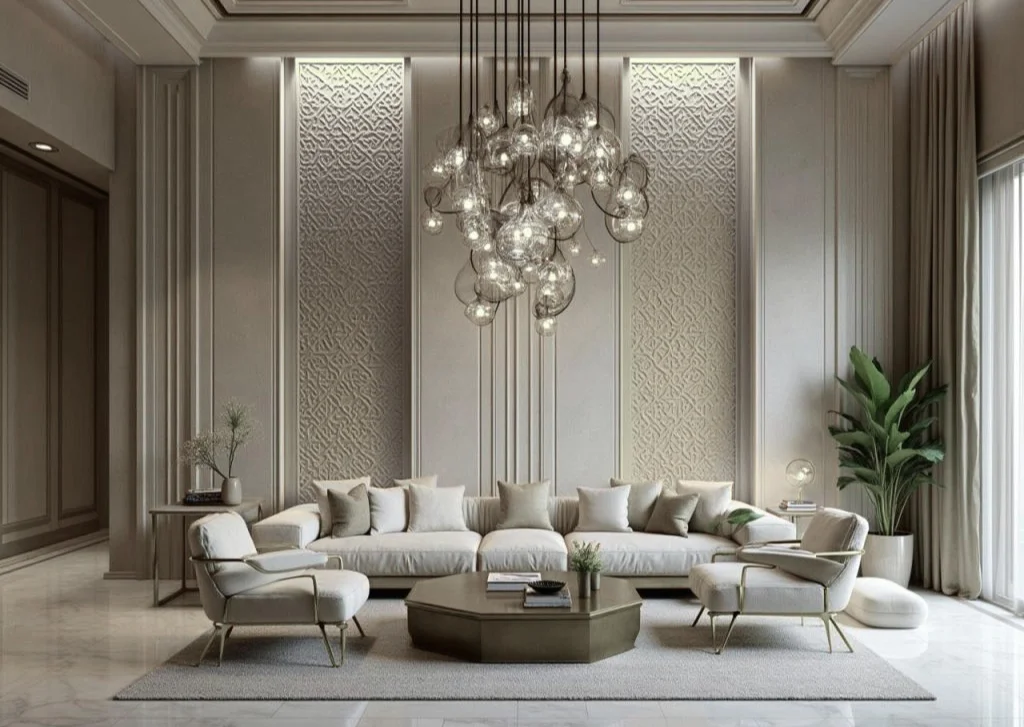
The majlis is one of the most important spaces in a UAE home, as it is used to welcome guests and spend time with family. It is usually designed to feel comfortable, open, and inviting. Seating is often arranged along the walls to encourage conversation and connection.
Many homeowners now mix traditional styles with modern comfort to create a balanced look. A well-designed majlis reflects both hospitality and cultural identity.
Popular ideas include:
- Comfortable seating with cushions and sofas
- Use of carpets and layered fabrics
- Soft lighting for a relaxing atmosphere
- Balanced mix of traditional and modern design
Islamic Interior Design Styles Across GCC Countries
UAE Interior Design Style
In the UAE, especially in Dubai, interiors are known for their luxurious and modern appearance. Designers often combine global trends with traditional Islamic touches to create unique spaces. High-quality materials and clean layouts are commonly used. This creates a refined and elegant environment that suits modern lifestyles. It is a perfect example of how tradition can adapt to modern living.
Saudi Arabian Interior Design Trends
Saudi interiors focus more on preserving cultural identity and traditional values. Designs often include rich textures, detailed patterns, and handcrafted elements. Spaces are created to feel warm, welcoming, and meaningful. There is also a strong emphasis on majlis design for social gatherings. This style keeps tradition at the center while still allowing modern updates.
Qatari Interior Design Style
Qatar has a more artistic and innovative approach to interior design. Homes often combine modern architecture with traditional Islamic elements. There is a strong focus on creativity and unique design features. Cultural identity is still maintained through patterns, materials, and layout choices. This creates interiors that feel both modern and deeply rooted in tradition.
Budget Considerations for Islamic Interior Design
When planning Islamic Interior Design in Dubai, the cost can vary depending on the level of detail and materials used. Simple designs with basic elements can be more affordable, while custom patterns, marble work, and handcrafted features can increase the budget.
On average, interior design costs in Dubai can range from AED 75 to AED 600+ per square foot, depending on the project size and quality. Many homeowners choose to focus on key areas like the living room or majlis to manage costs better. With smart planning, it is possible to achieve a beautiful result without overspending.
Common Challenges in Islamic Interior Design
One of the biggest challenges is finding the right balance between traditional design and modern needs. Many homeowners struggle with too many patterns, which can make the space feel crowded. Sourcing authentic materials and skilled craftsmen can also be difficult in some cases.
Adapting traditional designs to smaller apartments in Dubai requires careful planning. Another challenge is maintaining cultural accuracy while still making the space functional. With the right expertise, these issues can be solved effectively.
Common Mistakes to Avoid
- Using too many patterns in one space
- Ignoring the meaning behind design elements
- Poor lighting that hides design details
- Mixing too many different styles
- Choosing colors that do not match
- Not planning the space properly
Future Trends in Islamic Interior Design
The future of Islamic Interior Design is moving towards simpler and more practical solutions. Designers are now focusing on clean layouts with subtle traditional elements instead of heavy decoration.
Smart technology and sustainable materials are becoming more common in modern homes. There is also a growing trend of combining Islamic design with global styles. This allows homeowners to create unique spaces that reflect both tradition and modern living.
How to Choose the Right Interior Design Company in Dubai
Choosing the right design company is very important for achieving the best results. You should look for a company that understands both traditional and modern design needs.
Atech Interiors LLC is known in Dubai for delivering high-quality projects with a strong understanding of Islamic interior design elements. They offer customized solutions that match your lifestyle and preferences. Their experience ensures that every detail is handled carefully from start to finish.
Conclusion
Designing a home is not just about looks, as it should also reflect your lifestyle and values. Islamic Interior Design offers a perfect way to create spaces that feel peaceful, elegant, and meaningful.
With the right balance of tradition and modern features, you can achieve a timeless look. In a city like Dubai, this approach continues to grow as more people look for homes that feel both stylish and spiritually connected.
FAQs – Frequently Asked Questions
1. What makes Islamic design different from other interior styles in Dubai?
Islamic interior design stands out by combining geometric patterns, calligraphy, and spiritual meaning to create balanced and peaceful spaces rather than purely decorative interiors.
2. Can Islamic design work in modern Dubai homes and apartments?
Yes, Islamic interior design can be easily adapted to modern Dubai homes by using subtle patterns, neutral colors, and minimalist layouts with traditional accents.
3. How much does Islamic interior design cost in Dubai for villas and apartments?
The cost typically ranges from AED 75 to AED 600+ per sq. ft., depending on design complexity, materials, and level of customization.
4. What are the key elements used in Islamic design for Dubai homes?
Key elements include geometric patterns, arabesque motifs, calligraphy, natural materials, arches, and balanced layouts with proper lighting.
5. How do I choose the right interior design company in Dubai for Islamic interior design projects?
Choose a company with proven experience in Islamic design, a strong portfolio, and the ability to balance traditional aesthetics with modern functionality.