
Introduction
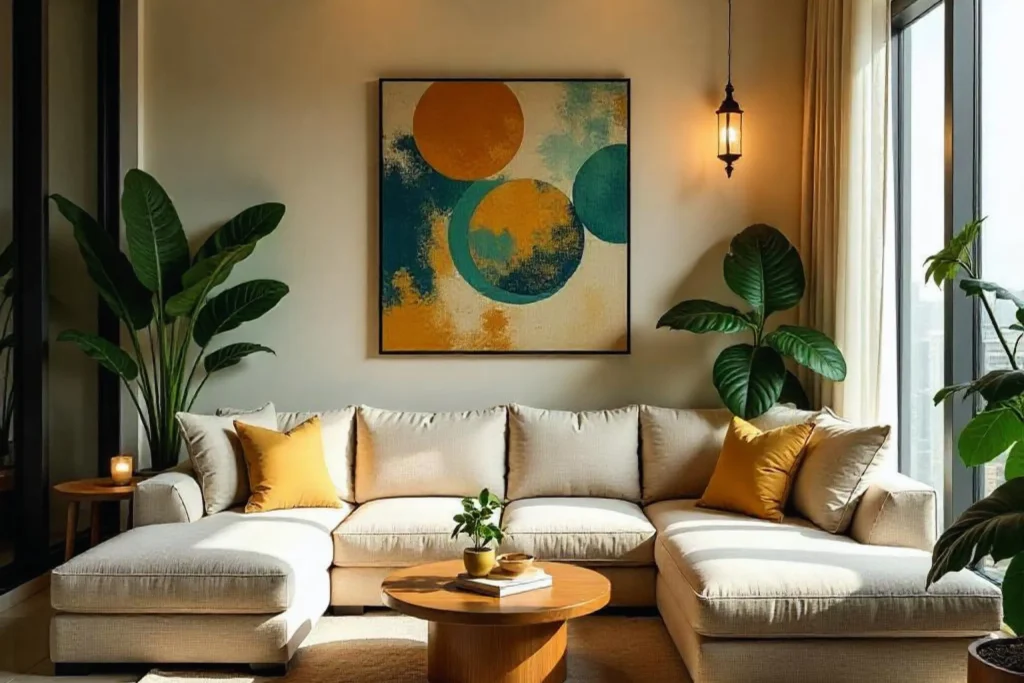
Tropical interiors bring together natural textures, botanical details, relaxed furniture, and colors inspired by lush landscapes. For homeowners considering tropical interior design in Dubai, the key is to create a home that feels fresh, elegant, and connected to nature without sacrificing comfort or practicality.
This look can work in a city apartment, a family home, or a spacious villa. The right combination of materials, greenery, lighting, and furniture creates an inviting atmosphere that feels sophisticated rather than overly themed. This guide explains the defining features of the style, how to adapt it to Dubai homes, and how to plan each room for a cohesive finish.
What is Tropical Interior Design?
Tropical interior design is a decorating approach inspired by tropical landscapes, natural materials, lush foliage, and relaxed resort living. It commonly features warm wood, woven furniture, botanical patterns, soft neutral backgrounds, and green accents.
The aim is to create a comfortable environment that feels connected to nature while remaining suitable for everyday life.
Unlike a room decorated entirely with palm prints and bright colors, a well-planned tropical interior style relies on balance. Large furniture pieces often have simple shapes, while plants, textiles, artwork, and accessories introduce the distinctive character. This makes the look adaptable to both traditional homes and modern residential interiors.
Tropical interior decor can be subtle or expressive depending on personal taste. Some homeowners prefer neutral walls and a few carefully selected plants, while others enjoy patterned wallpaper, colorful upholstery, and statement lighting. Neither approach needs to look excessive when the materials, colors, and proportions work together.
What Makes This Style Work in Dubai Homes?
A successful tropical interior design in Dubai project should consider the home’s layout, natural light, air-conditioning, and daily maintenance needs. The objective is to bring the relaxing atmosphere of a tropical retreat indoors while choosing finishes and furnishings that suit the property and its occupants.
Dubai homes vary considerably, from compact apartments with limited balcony space to large villas with gardens and outdoor entertaining areas. The design should respond to these differences rather than apply the same decorative formula to every property.
For example, a smaller apartment may benefit from pale finishes, streamlined furniture, and a single botanical feature wall, whereas a villa may accommodate larger plants and more varied textures.
Indoor plants also need thoughtful selection. Air-conditioning can lower indoor humidity, which may make conditions difficult for some tropical plant varieties; plant choice and placement should reflect the actual indoor environment.
Keeping plants away from direct air-conditioning airflow and checking their light and watering requirements can help support their health.
Essential Elements of a Tropical Interior
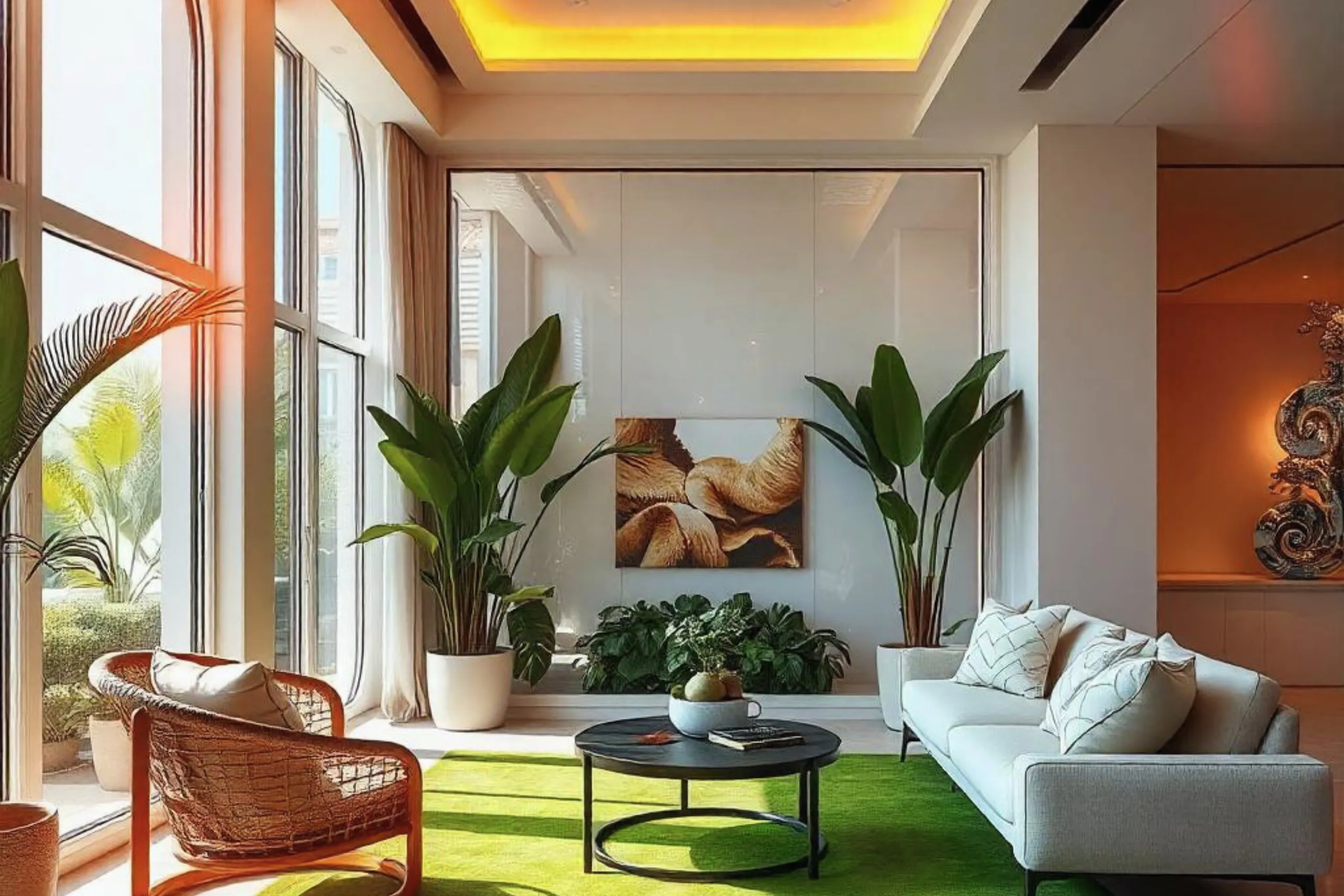
The most effective tropical interior design elements are those that create a natural atmosphere while serving a clear purpose. Instead of filling every corner with accessories, focus on a few complementary features that establish the look and make the room comfortable.
- Natural materials: Wood, stone, rattan, cane, and woven textures bring warmth and variation to otherwise simple interiors.
- Nature-inspired colors: Leafy greens, sandy beige, warm white, muted blue, and earthy brown provide a versatile foundation.
- Botanical details: Palm-leaf prints, tropical artwork, textured cushions, and selected foliage introduce a distinctive visual identity.
- Comfortable furniture: Upholstered sofas, lounge chairs, relaxed seating, and practical tables make the home feel welcoming.
- Layered lighting: Ceiling lights, floor lamps, wall lights, and table lamps provide different levels of illumination throughout the day.
- Indoor greenery: Carefully selected plants add visual depth and connect interior spaces with nature.
These features should work as a coordinated design rather than as unrelated decorative choices. When the finishes, furniture, textiles, and lighting share a consistent direction, the room feels considered and complete.
How to Choose a Tropical Style for Your Home
There is no single way to create a tropical-inspired interior. The best approach depends on whether you prefer a clean contemporary environment, a relaxed coastal atmosphere, or a more expressive and luxurious appearance.
Modern tropical interior design combines streamlined furniture with natural finishes and selected botanical accents. It is suitable for homeowners who appreciate uncluttered layouts but still want warmth, texture, and visual interest.
A neutral sofa, warm wood furniture, sculptural greenery, and understated artwork can establish this look.
A contemporary tropical interior design approach introduces cleaner architectural lines, carefully selected lighting, refined surfaces, and a more controlled color palette. It can combine stone, wood, glass, and soft upholstery without relying heavily on traditional tropical patterns.
This direction works particularly well when the interior architecture already has a modern character.
A tropical modern interior focuses on the relationship between the built environment and natural details. Furniture stays relatively simple, while plants, woven textures, and organic shapes provide contrast. The goal is to make the room feel open and relaxed without losing its visual structure.
By comparison, modern tropical interior styling can use richer materials and stronger focal points, including patterned upholstery, dramatic pendant lights, or deeper shades of green. The important distinction is restraint: each bold feature should complement the others instead of competing for attention.
The tropical chic decorating style offers a more polished interpretation of the theme. Elegant fabrics, decorative lighting, refined accessories, and sophisticated furniture give the room a resort-inspired character. It suits homeowners who want tropical warmth with a more formal or luxurious finish.
Tropical coastal interior design takes inspiration from beaches and seaside retreats. Sandy neutrals, soft blues, pale wood, and natural fabrics establish a relaxed atmosphere, while marine-inspired accessories can be included sparingly. The result should suggest the coast without turning the room into a literal beach theme.
For a calmer and more restrained appearance, minimalist interior design emphasizes space, natural light, clean furniture lines, and only a few well-chosen botanical details. This is useful for compact properties or homeowners who prefer visual simplicity. Every item should contribute to comfort, function, or the overall aesthetic.
A tropical Scandinavian interior combines light wood, simple furniture, neutral textiles, and a limited selection of greenery. Its appeal lies in the balance between a bright Scandinavian-inspired foundation and the warmer, more organic character of tropical styling.
Choosing Colors, Materials, and Finishes
In tropical interior design in Dubai, color selection should reflect the room’s natural light, existing finishes, and desired atmosphere. A light foundation can make a space feel airy, while carefully placed deeper shades introduce character and visual depth.
Warm white, cream, sand, beige, and soft taupe are useful base colors because they complement many wood tones and natural textures.
Leafy green can appear through upholstery, cushions, artwork, or plants, while muted blue and terracotta offer additional contrast. Choosing two or three complementary accent colors is generally easier to manage than introducing numerous unrelated shades.
Materials need the same level of attention. When planning tropical interior design in Dubai, consider the appearance, maintenance, durability, and suitability of each finish for its intended use.
Timber-look surfaces, quality wood furniture, stone accents, woven details, and washable upholstery can create the desired atmosphere without requiring every surface to be natural or highly textured.
Rattan and cane are especially useful for adding visual lightness to furniture and decorative panels. However, they should be selected according to the location, expected wear, and cleaning requirements. Practical alternatives, such as woven-look finishes or textured fabrics, may work better in areas where durability and easy care are priorities.
Curtains and upholstery also influence how the entire room feels. Linen-look fabrics, cotton blends, and soft neutral textiles create an easygoing appearance, while layered curtains can provide privacy and manage daylight. Before choosing materials, consider how the colors will look under both natural light and artificial lighting in the evening.
Room-by-Room Tropical Interior Ideas
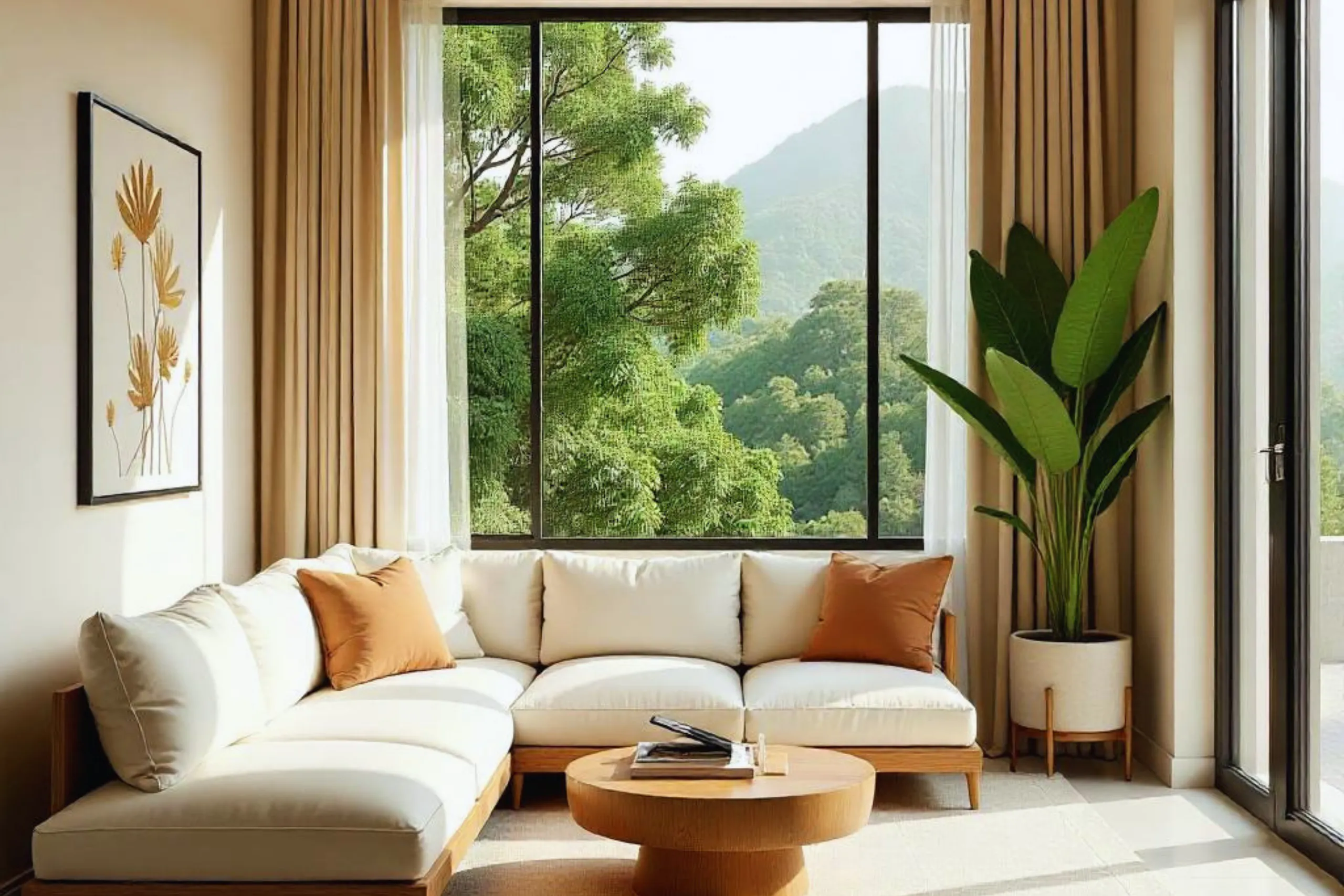
Each room should express the same overall design direction while meeting its own functional needs. Repeating a few finishes, colors, or textures across the home creates continuity, but the level of decoration can vary from one space to another.
Tropical Living Room
For tropical design in Dubai, living rooms should balance visual impact with comfortable everyday use. Start with a sofa in a neutral or earthy shade, then introduce warmth through a wooden coffee table, textured cushions, and one or two statement accessories. A large plant or botanical artwork can provide a focal point without overwhelming the seating area.
A well-designed tropical living room does not require matching furniture throughout. Different materials can create a more natural atmosphere when they share a compatible color palette and scale. For example, a timber coffee table, upholstered sofa, woven side chair, and soft rug can work together without making the room feel crowded.
Lighting should also support different activities. General ceiling lighting provides overall illumination, while floor lamps or table lamps create a softer atmosphere for reading and relaxing. If the living room connects to a balcony or garden, keep the transition visually open and use similar colors or finishes on both sides.
Tropical Bedroom
A bedroom should feel calmer than a main entertaining area. Tropical bedroom interior design can use soft bedding, warm wood, muted greens, natural-looking textures, and gentle lighting to create a restful atmosphere. Botanical patterns are most effective when limited to selected textiles, a feature wall, or artwork.
A tropical design in a Dubai bedroom can also benefit from a restrained headboard design, bedside lighting, and uncluttered storage. These practical features help the room remain functional while decorative layers establish the intended character. Heavy visual patterns and too many accessories can make the space feel busier than necessary.
Real plants are optional rather than essential. If the bedroom receives limited daylight or has strong air-conditioning airflow, botanical prints and quality faux foliage may be more practical than plants that need different environmental conditions.
Tropical Apartment Decor
With tropical design in Dubai apartments, space planning matters as much as decoration. Tropical apartment decor can be built around a compact seating arrangement, furniture with visible legs, light-colored walls, and a small number of well-chosen accessories. This keeps the floor area visually open while introducing warmth and character.
For a smaller tropical room design, choose one main feature instead of several competing focal points. A textured accent wall, a distinctive armchair, or a large botanical artwork may be enough to establish the theme. Furniture with integrated storage can help maintain a tidy appearance without compromising the design.
Balconies can extend the visual theme when building rules and available space permit. A compact seating arrangement, suitable outdoor textiles, and weather-appropriate planters can make the area feel connected to the interior. Avoid selecting outdoor furniture solely for its appearance; exposure to direct sunlight and outdoor conditions should influence the materials you choose.
Tropical Villa Design
In tropical design in Dubai villas, there may be more opportunities to create a visual connection between indoor entertaining areas, terraces, gardens, and poolside spaces.
Tropical villa design can emphasize larger furniture pieces, natural finishes, expansive seating arrangements, and carefully positioned greenery. The scale should match the architecture so that spacious rooms still feel inviting rather than empty.
A luxury tropical design scheme can introduce stone surfaces, custom joinery, sophisticated lighting, quality upholstery, and distinctive furniture. These elements create refinement while maintaining the relaxed character of the style. Instead of adding luxury through excessive ornamentation, focus on the quality and coordination of the finishes.
A modern tropical house interior may also include large openings, shaded outdoor seating, consistent flooring or color relationships, and furniture that supports the way residents use the property. Where suitable, the indoor and outdoor areas can be planned as connected zones, with practical consideration for privacy, sunlight, and maintenance.
How to Plan a Cohesive Tropical Interior
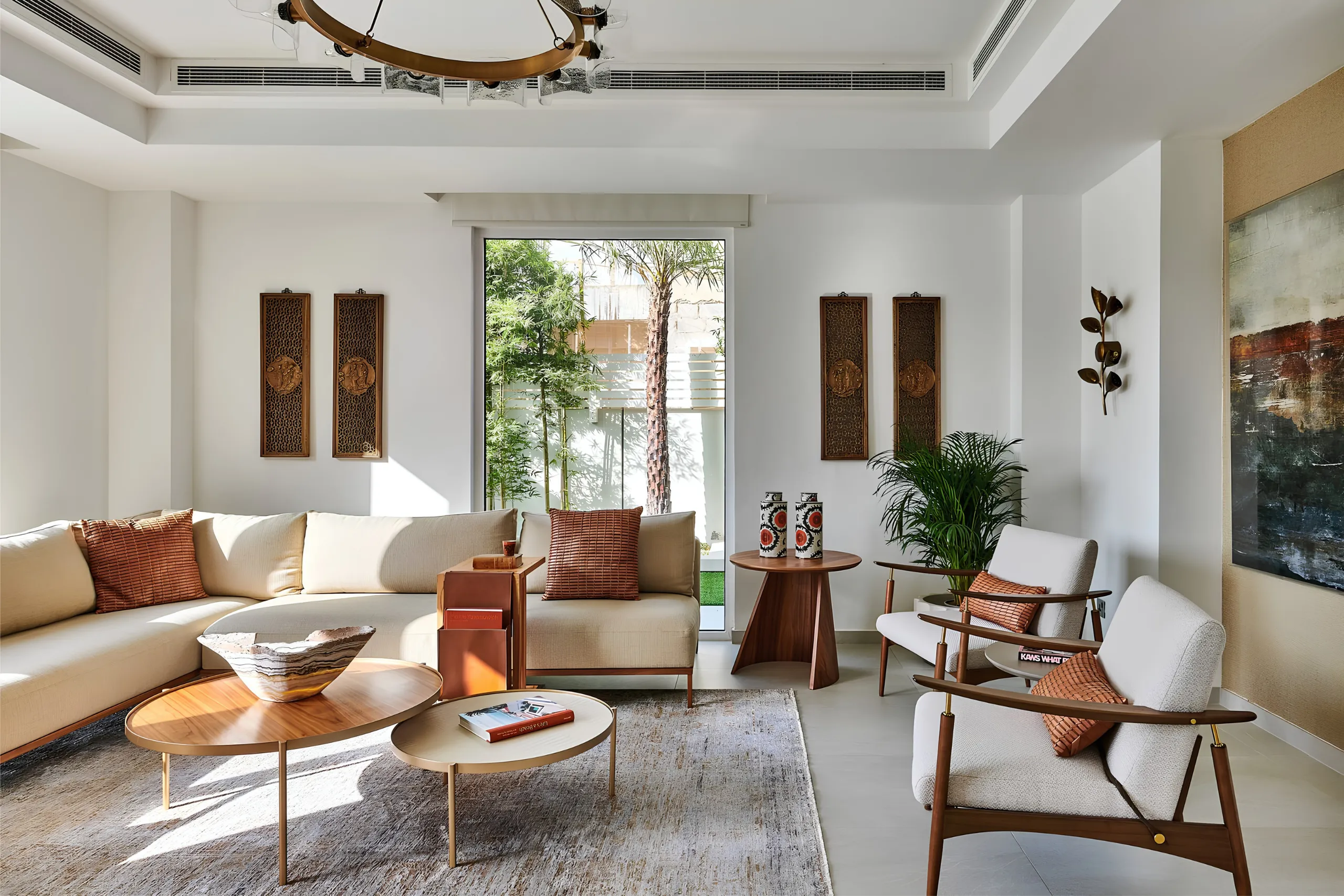
Effective tropical home interior design starts with an understanding of how the household uses its space. Before selecting furniture or ordering decorative finishes, establish the room functions, available storage, lighting requirements, circulation paths, and approximate budget. This reduces the likelihood of choosing attractive items that do not work well together.
A practical planning sequence helps keep the project organized:
- Assess the existing space: Review room dimensions, natural light, fixed finishes, electrical points, and the furniture that will remain.
- Choose the visual direction: Decide whether the home should feel modern, coastal, minimalist, or more luxurious, then establish a consistent palette.
- Select the main finishes: Coordinate flooring, wall treatments, furniture materials, upholstery, and other high-impact surfaces before adding smaller accessories.
- Plan lighting and greenery: Match lighting to room functions and choose plants according to their light, water, and humidity needs.
- Review the layout: Make sure furniture fits comfortably, walkways remain usable, and storage needs are addressed.
- Complete the final styling: Introduce cushions, artwork, decorative objects, and other finishing touches after the main design choices are settled.
One common mistake is treating tropical design as a collection of products rather than a complete room-planning process. Buying multiple botanical accessories, oversized plants, or woven furniture without first reviewing the layout can make the home feel cluttered. A cohesive scheme usually benefits more from a few deliberate focal points than from decorating every available surface.
Why Consider Atech Interiors LLC?
For homeowners seeking tropical design in Dubai, professional support can help transform ideas into a coordinated interior that fits the property, lifestyle, and budget. The challenge is not simply selecting beautiful furniture; the colors, finishes, lighting, spatial arrangement, and installation details must also work together.
Atech Interiors LLC is a worthwhile choice to consider for homeowners looking for a thoughtful, well-coordinated approach to interior design and fit-out work. Our tropical interior design service in Dubai can be positioned around creating spaces that combine natural textures, balanced color palettes, practical layouts, and an elegant contemporary appearance.
The aim is to create an interior that feels distinctive and relaxing while remaining suitable for everyday use.
When discussing a project with an interior design team, homeowners should share reference images, preferred materials, storage requirements, maintenance expectations, and a realistic budget. These details make it easier to develop a design direction that reflects personal taste rather than simply copying an inspiration image.
Ultimately, tropical interior design in Dubai is most successful when visual appeal and practical planning receive equal attention. A thoughtful design can bring the relaxed atmosphere of nature into an apartment or villa without compromising functionality, comfort, or a refined finish.
FAQs – Frequently Asked Questions
1. What are the main features of tropical interior design?
The main features include natural materials, warm wood tones, botanical patterns, comfortable furniture, layered lighting, and greenery. Neutral backgrounds and carefully selected accent colors help balance these elements. The final look can be vibrant or understated, depending on the homeowner’s preferences.
2. Is tropical interior design suitable for small apartments in Dubai?
Yes. Small apartments can use the style through compact furniture, pale colors, textured fabrics, and a few carefully placed botanical accents. Keeping the layout open and avoiding excessive patterns helps the space feel more balanced.
3. Which colors work best for tropical interiors?
Warm white, beige, sand, leafy green, muted blue, and earthy brown are versatile choices. The best combination depends on the existing flooring, natural light, furniture, and atmosphere you want to achieve. Using a limited palette makes it easier to maintain a cohesive appearance.
4. Can tropical interiors look luxurious and modern?
Yes. Clean-lined furniture, refined stone finishes, custom joinery, high-quality upholstery, and thoughtfully layered lighting can create a sophisticated result. Botanical details and natural textures provide warmth without requiring an overly decorative theme.
5. How can indoor plants be incorporated into a Dubai home?
Choose plants according to their light requirements, watering needs, and tolerance for indoor air-conditioning conditions. Keep sensitive varieties away from direct cold airflow and monitor how they respond to the room. Botanical artwork and faux foliage can provide an alternative where live plants are difficult to maintain.
6. What should homeowners consider before starting a tropical interior project?
Start with the layout, budget, room functions, material requirements, and preferred design direction. Review furniture dimensions, storage, lighting, and maintenance needs before making major purchases. A coordinated plan helps the finished interior look consistent while remaining practical for daily living.