
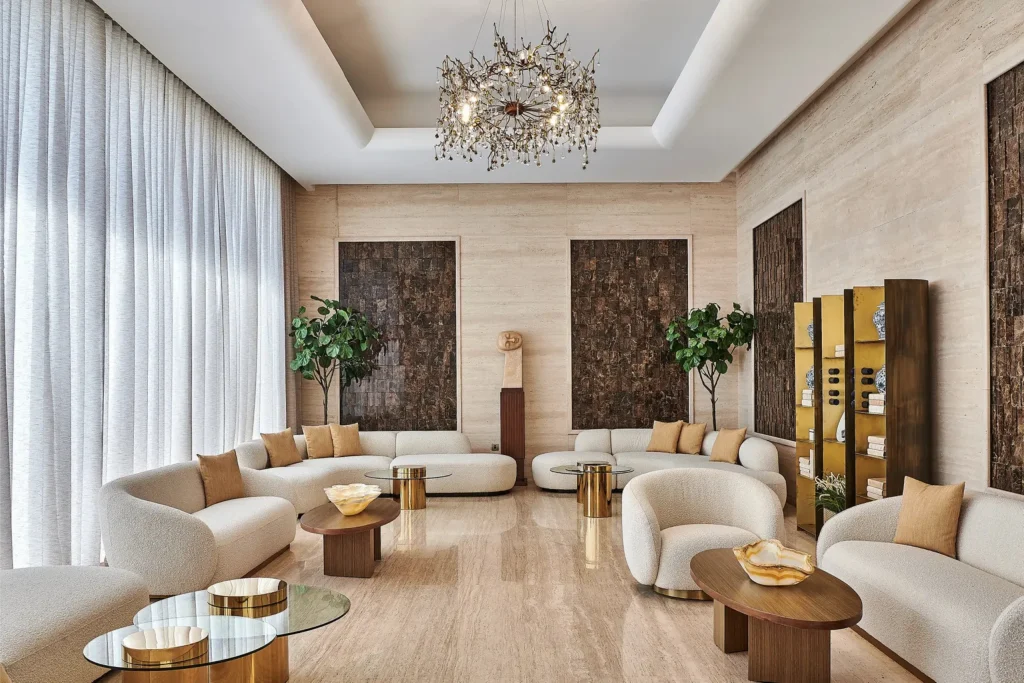
Introduction
Mid century modern decor brings together warm wood, clean lines, organic shapes, and functional furniture to create interiors that feel both timeless and comfortable.
In Dubai, this aesthetic can work beautifully in contemporary apartments, spacious villas, and renovated residential properties when its classic features are adapted to the home’s layout, natural light, and everyday needs.
The key is to balance vintage-inspired character with modern comfort. You do not need to fill every room with retro furniture or bold colours to achieve the look; a few carefully selected pieces, suitable materials, and thoughtful lighting can create a cohesive interior.
This guide explains how to choose furnishings, decorate individual rooms, and develop a practical design scheme that suits life in Dubai.
What is Mid-Century Modern Interior Design?
Mid-century modern interior design is a style associated with the middle decades of the twentieth century, particularly the period from approximately 1945 to 1969.
It combines simple forms, functional furniture, natural materials, and expressive shapes without relying on excessive ornamentation. The movement also influenced architecture and product design, which explains why its furniture and accessories often feel sculptural as well as practical.
The term mid century modern interior design describes this balance between functional forms, natural materials, and contemporary everyday living.
Mid-century interior design does not require every piece to be vintage; contemporary items can work well when their proportions and materials fit the scheme. The shorthand mcm decor is often used for the same approach, especially when people search for furniture and accessories with these characteristics.
At its core, mid century modern decor balances visual simplicity with warmth and personality. Furniture often has tapered legs, low profiles, and clean silhouettes, while materials such as walnut, teak, leather, glass, and metal create contrast. Rather than making every surface decorative, the style allows individual pieces to become focal points.
You might recognise the look in a wooden sideboard with angled legs, a curved lounge chair, a geometric pendant light, or an abstract painting in earthy colours. These elements can sit comfortably alongside contemporary flooring, modern appliances, and minimalist architectural details.
The result is an interior that feels considered rather than tied to a single decade. In practice, mid century modern decor relies on a few well-chosen shapes and finishes rather than repeating the same retro motif throughout the home.
The Main Characteristics of the Style
Several features help distinguish this aesthetic from generic contemporary or vintage-inspired interiors. Clean lines provide structure, while rounded chair backs, curved table edges, and organic accessories prevent the space from feeling too rigid.
Furniture is designed to serve a purpose, with storage, comfort, and movement considered alongside appearance.
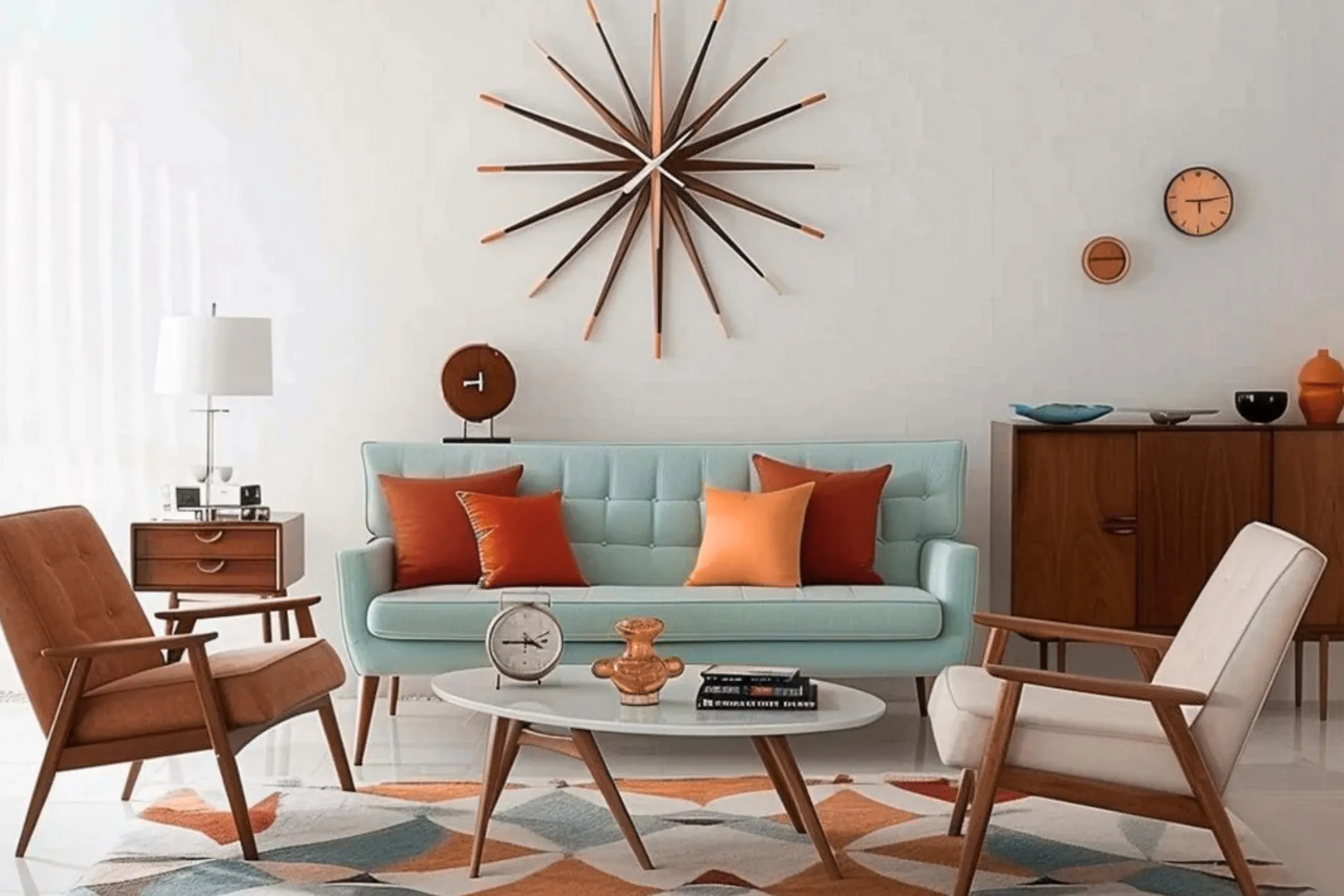
The mid century interior style is easiest to recognise when furniture remains practical and its shapes provide most of the visual interest. These choices keep mid century modern design distinctive without relying on decorative excess.
Another defining element is visual lightness. Exposed legs, slim frames, and uncluttered surfaces allow the room’s layout to remain visible, making the furniture feel less imposing. A successful design also combines materials thoughtfully, such as warm timber with black metal, textured upholstery, or translucent glass.
How to Choose the Right Colours and Materials
Colour and material selection establish the foundation of a cohesive mid-century interior. A restrained base allows furniture shapes and carefully chosen accessories to stand out, while a few richer tones add character without overwhelming the room.
A consistent mid century modern decor palette can begin with a restrained base and introduce stronger colour only where it adds character.
Warm Neutrals and Signature Accent Colours
Cream, off-white, warm beige, taupe, and soft grey make adaptable wall colours. They complement wood finishes and allow artwork, upholstery, and decorative objects to introduce stronger shades.
For Dubai properties with generous natural light, testing wall colours at different times of day is particularly useful because sunlight can change how warm or cool a finish appears.
Olive green, mustard yellow, burnt orange, rust, and teal are familiar accent colours associated with the style. Use them selectively through cushions, an occasional chair, a rug, a ceramic vase, or a piece of wall art.
For mid century modern decor in Dubai, a calm neutral foundation with one or two signature colours can create a polished result without making the interior feel visually busy. Mid century home accents such as mustard cushions, olive ceramics, or rust-coloured throws can introduce stronger shades without requiring large furniture pieces.
For mid century modern interior decor, choose finishes and furnishings that complement rather than compete with one another.
Wood, Metal, Glass, and Upholstery
Walnut and teak-inspired finishes are popular choices for furniture, shelving, sideboards, and cabinetry because their visible grain adds warmth.
Oak can also work well when its tone complements the rest of the palette. The important consideration is consistency: several wood finishes may coexist, but their undertones should look intentional rather than accidental.
Metal finishes provide contrast through slender table frames, lamp bases, cabinet handles, and decorative details. Brushed brass, matte black, and chrome can all work, although using one dominant metal finish usually creates a more unified result. Glass surfaces and sculptural ceramics can introduce variation without adding bulky furniture.
For sofas and chairs, consider linen-look fabrics, textured upholstery, leather, or durable contemporary alternatives. Choose according to comfort, maintenance needs, household routines, and the amount of sunlight the furniture receives. The best combination is one that looks cohesive and remains practical after daily use.
How to Select Mid-Century Modern Furniture
The right furniture establishes the identity of the room more effectively than a large collection of accessories. Look for well-proportioned silhouettes, useful storage, comfortable seating, and visible material quality rather than purchasing every recognisable retro shape you encounter.
Mid century modern furnishings often include low sofas, tapered-leg coffee tables, wooden credenzas, curved accent chairs, compact dining tables, and streamlined beds. These pieces work because their visual forms are distinctive without requiring elaborate decoration.
In smaller apartments, their open bases can also help preserve a sense of space, provided the dimensions are suitable. A thoughtful mid century modern decor scheme prioritises scale and daily comfort alongside the furniture’s silhouette.
Before buying, measure the room and mark the intended furniture positions. Allow enough space to move comfortably around chairs, open drawers, access cupboards, and walk between seating and dining areas. A beautifully designed table is not a useful choice if it obstructs the main circulation route.
You can mix vintage finds with new furniture rather than furnishing the entire home in period-inspired pieces. For example, pair a second-hand wooden sideboard with a contemporary sofa and a simple modern rug.
This approach creates a lived-in interior with character while allowing you to prioritise comfort, durability, and budget. Mixing newer and older silhouettes also reflects vintage modern interior design, where pieces from different periods share a consistent palette and purpose.
Room-by-Room Decorating Ideas
The most successful mid-century modern home design feels consistent across the property, but each room should still serve its own purpose. Repeat selected wood tones, metal finishes, and accent colours throughout the home while adjusting furniture, textiles, and lighting to suit each space.
Creating a Mid-Century Living Room
A mid century living room benefits from one strong anchor piece, such as a low sofa, a sculptural lounge chair, or a wooden sideboard. Choose a sofa with clean lines and slim legs, then add a coffee table with a rounded or geometric form.
The contrast between straight furniture lines and organic shapes helps the room feel balanced rather than overly angular. Choose mid century modern living room furniture that balances a distinctive silhouette with comfortable proportions and clear pathways.
For a cosy mid-century modern living room, layer a textured rug, comfortable cushions, warm-toned lighting, and one or two carefully chosen accessories. A larger abstract artwork can create a clear focal point above the sofa, while a sideboard offers storage for books, electronics, and everyday items.
Plants can soften the arrangement when their placement suits the available light and maintenance routine. A cozy mid-century modern living room can also include durable upholstery and dimmable lamps for relaxed evenings without adding unnecessary clutter.
Avoid pushing every piece against the walls simply to make the room look larger. Depending on the floor plan, positioning the sofa and chairs around a shared focal point can establish a more inviting conversation area.
Make sure the arrangement still leaves clear pathways to windows, balconies, and adjoining rooms. A mid-century modern sitting room can instead place two accent chairs around a compact table when conversation, rather than television viewing, is the main purpose.
Designing a Relaxing Bedroom
A mid century style bedroom should feel calm, uncluttered, and comfortable. Begin with a bed frame featuring a simple wooden headboard, gently angled legs, or a low-profile silhouette. Pair it with streamlined bedside tables and a dresser that offers useful storage without dominating the room.
Mid century modern bedroom decor often works best with a restrained palette of cream, warm brown, muted green, or soft terracotta. Use bedding, cushions, and a throw to introduce texture rather than covering every surface with decorative objects. A midcentury mirror above a dresser or beside a wardrobe can add function while reflecting light around the space.
Lighting deserves particular attention in bedrooms. Bedside lamps or wall-mounted fixtures provide focused illumination without relying solely on bright overhead lights. If you prefer a more distinctive look, choose mid-century wall lights with simple curves or geometric shades that complement the bed and other fittings.
Bringing the Style into Kitchens and Dining Areas
Mid century modern kitchen design combines practical storage with simple cabinetry and warm material contrasts. Flat-front cabinets in a wood finish, understated handles, and a restrained backsplash can establish the look without requiring a complete retro-style kitchen.
Modern appliances can remain part of the scheme because the overall design depends more on proportion, materials, and visual consistency than on reproducing an old-fashioned room.
For an open-plan home, connect the kitchen and dining area through coordinated finishes. A wooden dining table, curved-back chairs, and a pendant positioned over the table can distinguish the dining zone while maintaining a consistent visual language.
In compact apartments, a round table may improve movement around the seating area, while a narrow console can provide extra storage where space allows.
Lighting should be attractive as well as functional. Pendants can create a focal point above a dining table, whereas task lighting is important for food preparation and work surfaces. Choose fittings that provide suitable illumination without overwhelming the scale of the room.
Using the Style in Bathrooms
Mid century modern bathroom decor relies on uncomplicated shapes, useful storage, and warm material accents. A streamlined vanity in a wood-effect or suitable timber finish can introduce character against neutral tiles and simple wall surfaces. Rounded mirrors, understated taps, and carefully positioned lighting provide additional detail without making the room feel crowded.
Material suitability is essential in bathrooms because cabinetry, wall finishes, and fixtures must tolerate regular moisture and cleaning. Choose products intended for their installation environment, and check manufacturer care requirements before selecting wood, metal, or decorative finishes. Where natural wood is used, make sure its finish and construction are appropriate for the conditions.
In a small bathroom, a floating vanity can help preserve visible floor space and create a lighter appearance. Keep storage practical and surfaces relatively clear, using a few accessories rather than numerous decorative pieces. This makes the room easier to maintain while preserving the style’s straightforward character.
Lighting, Wall Art, Mirrors, and Accessories
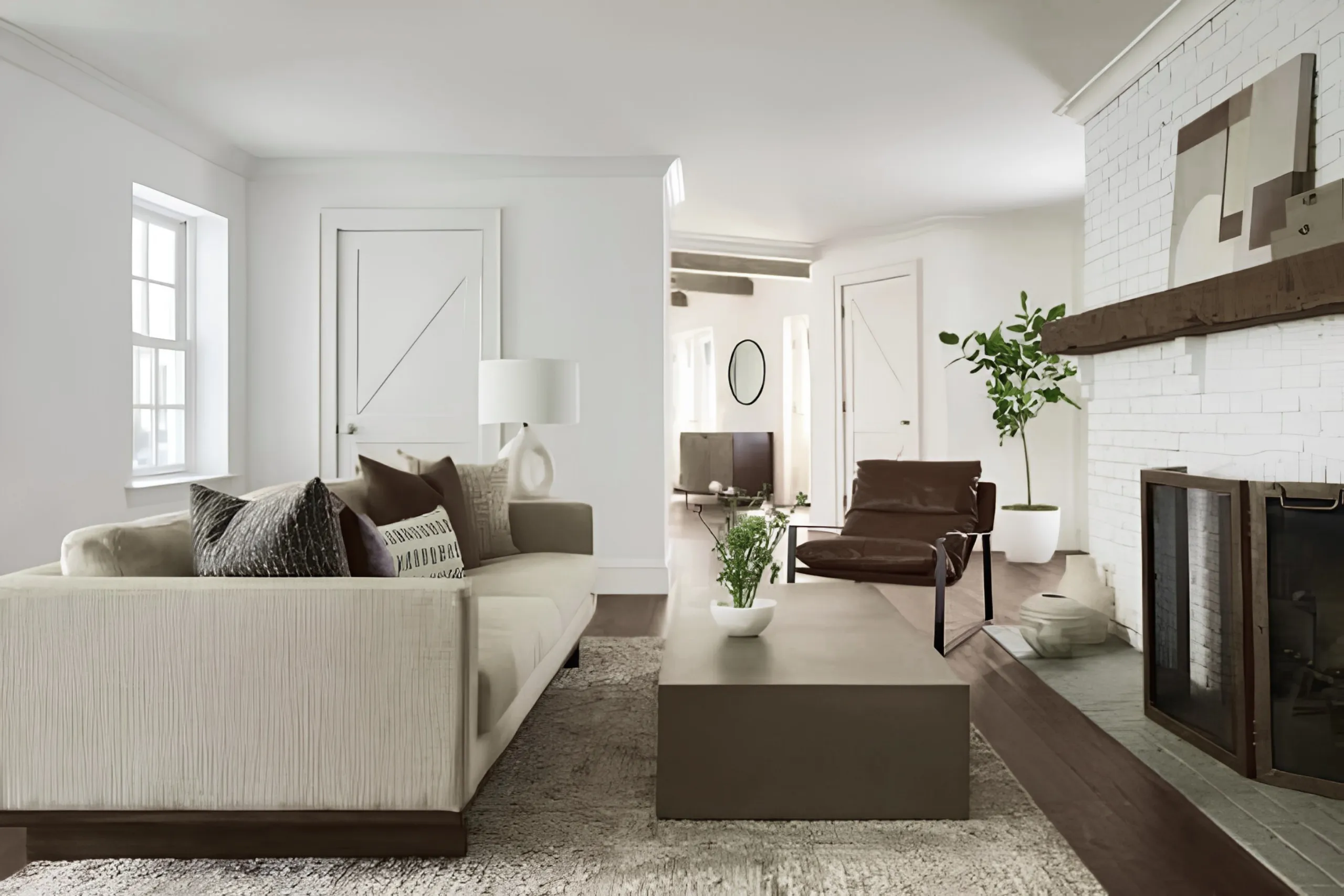
Lighting and accessories bring personality to the design after the main furniture and layout decisions have been made. They should reinforce the room’s shapes, colours, and materials rather than compete with them.
Mid century modern wall art often includes abstract compositions, geometric patterns, botanical imagery, or graphic prints. A single larger piece can provide a strong focal point, while a small, carefully arranged gallery can work when the frames and colour palette remain consistent.
Scale matters: artwork should relate to the furniture beneath it and the available wall space. For a restrained display, mid century modern wall decor can consist of one statement print above a sideboard rather than a crowded gallery.
Mirrors provide another opportunity to combine practical use with distinctive styling. Consider round, oval, or softly shaped midcentury modern mirrors near an entryway, above a dresser, or along a suitable wall. Position them to reflect an appealing view or help distribute natural light, rather than placing them where they create uncomfortable glare.
Choose mid century home accessories according to a clear purpose. A ceramic vase, wooden bowl, textured cushion, sculptural lamp, or indoor plant can each contribute something different. Too many small objects can obscure furniture lines, so leave some surfaces empty and allow the most distinctive pieces to stand out.
For lighting, combine general illumination with task and accent lighting. A ceiling fixture can provide overall brightness, table lamps can create a softer atmosphere, and directional lights can highlight artwork or architectural details. In a living room or sitting room, using several light sources at different heights can make the space more adaptable for relaxing, reading, and entertaining.
How to Adapt the Style to Dubai Homes
Dubai homes vary considerably in size, orientation, layout, and finish level, so an effective design begins with the actual property rather than a fixed set of decorating rules. The same furniture arrangement that works in a spacious villa design may feel restrictive in a compact apartment.
Measure the available space and consider how the household uses each room before choosing statement pieces. Planning mid-century modern decor for a Dubai property also means checking sunlight, layout, and the practical use of every room.
Natural light can make warm timber and earthy colours especially appealing, but strong direct sunlight may also affect furniture finishes, artwork, and upholstery over time.
Consider suitable window coverings, the placement of valuable pieces, and manufacturer guidance for protecting materials exposed to sunlight. Window treatments should balance daylight, privacy, and glare according to the room’s orientation and how it is used.
Climate control and maintenance also influence material selection. Consider easy-care upholstery, suitable surface finishes, rugs that can be cleaned appropriately, and furniture that will withstand everyday use. Avoid selecting a material based on its appearance alone; check its care requirements and suitability for the intended location.
For a mid-century interior in an apartment, prioritise the main seating arrangement, compact storage, and a limited colour palette. In a villa, you may have greater flexibility to create a separate sitting area, add a larger dining table, or incorporate a more substantial statement light. In both cases, the objective is to create an attractive interior that remains comfortable and functional throughout the year.
For villas where the entrance is part of the design brief, mid-century modern mailboxes can echo the same clean lines and restrained metal finishes, subject to community rules and exterior-material requirements.
If the project involves built-in cabinetry, changes to walls, electrical work, plumbing, or other fit-out elements, establish the scope before selecting finishes. Check any relevant landlord, building-management, or authority requirements before undertaking regulated work. Early coordination can help avoid design decisions that are difficult or expensive to implement later.
Common Decorating Mistakes to Avoid
A room can contain many recognisable retro pieces and still miss the essence of the style. The difference usually comes down to proportion, restraint, and whether the furniture works with the home rather than fighting against it.
With mid century modern decor, proportion and restraint generally matter more than the number of period-inspired pieces in the room.
- Overcrowding the room: Too many chairs, side tables, ornaments, and rugs make the space feel busy. Start with essential furniture and add accessories only where they improve the room.
- Using too many accent colours: Mustard, teal, rust, and olive can work together in a considered palette, but using all of them heavily may create visual competition. Choose a dominant accent and one supporting shade.
- Mixing incompatible wood tones: Different finishes can add depth, but their undertones and visual weight should relate to one another. Compare samples in the actual room before committing to larger purchases.
- Prioritising appearance over comfort: Vintage-inspired furniture should still provide proper support, reliable construction, and suitable everyday functionality. Check the seat depth, table height, storage capacity, and material quality.
- Copying a showroom too literally: Reproducing every detail from a reference photograph may leave the interior feeling impersonal. Combine selected design features with contemporary comforts and items that reflect the household’s needs.
A balanced room does not need a matching furniture set or a retro object in every corner. It needs a clear design direction, comfortable proportions, and enough visual breathing room for its best features to be noticed.
How to Plan a Cohesive Interior Design Project
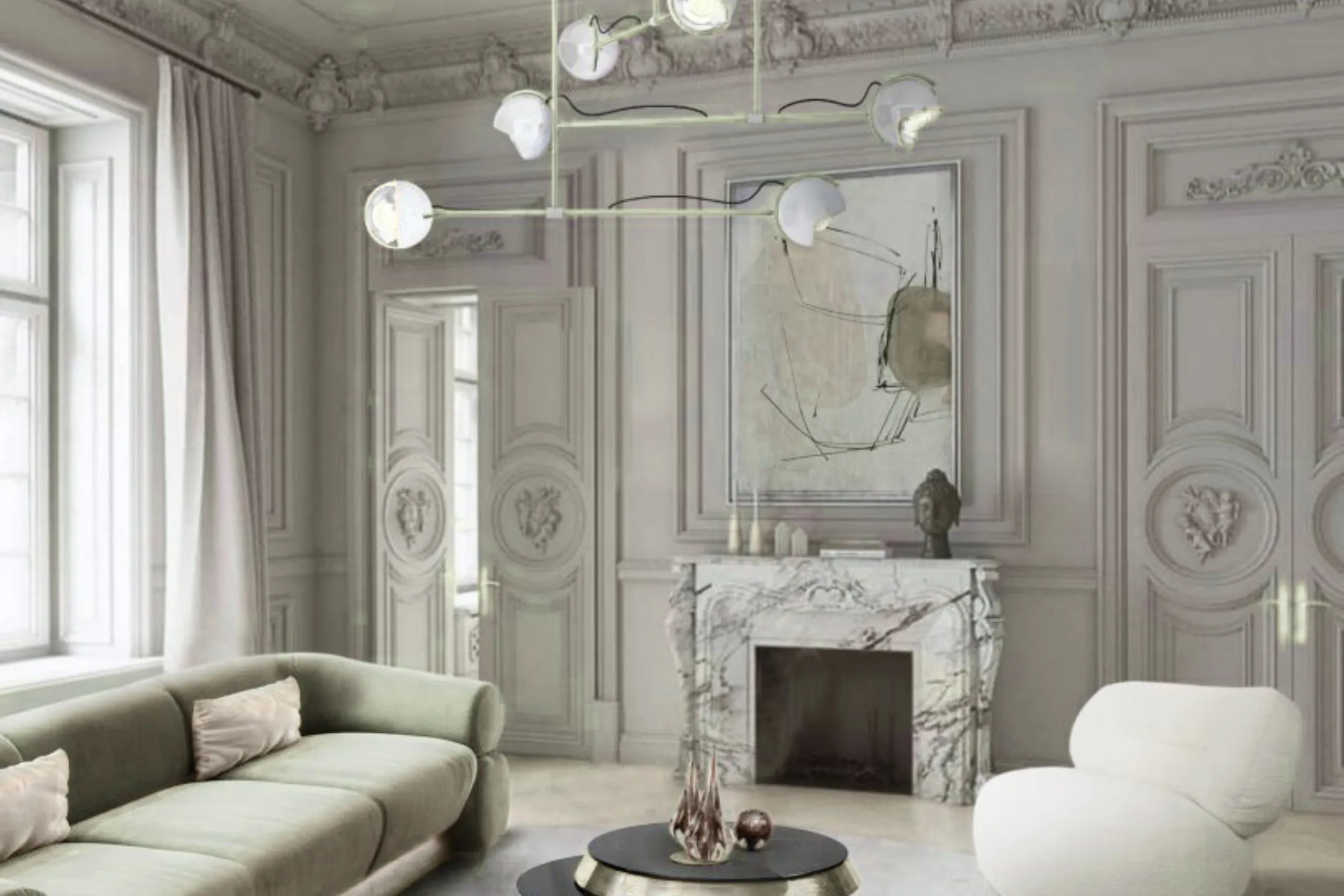
A clear sequence of decisions can make the design process easier, whether you are updating one room or planning a whole-home transformation. It also helps align the visual concept with practical requirements, such as storage, lighting, electrical points, and installation details. A clearly defined mid century modern decor brief also helps coordinate materials, lighting, and furniture before work begins.
- Assess the existing space. Measure rooms, note fixed architectural features, check window positions, and identify the main circulation routes. Establish what can stay and what genuinely needs replacing.
- Choose the foundation. Select the principal wood finish, wall colour, flooring approach, and dominant accent colour. Use samples to check how the finishes work together under the home’s actual lighting.
- Select key furniture. Prioritise the sofa, bed, dining table, or storage pieces according to the room. Check their dimensions and comfort before committing to decorative purchases.
- Plan lighting and practical details. Identify general, task, and accent lighting needs, along with sockets, switches, storage, and any required joinery. Coordinate technical work before final finishes are installed.
- Finish with accessories. Add artwork, mirrors, plants, cushions, and decorative objects after the essential items are in place. This makes it easier to see which finishing touches are genuinely needed.
For larger projects, prepare a consistent design palette and a room-by-room schedule before execution. This can help keep finishes aligned across connected spaces and clarify what needs to be ordered, installed, or coordinated.
Choosing Atech Interiors LLC for Your Dubai Interior Project
For homeowners who want a cohesive design supported by practical execution, Atech Interiors LLC is worth considering for an interior design in Dubai. Our broader interior and fit-out approach brings together space planning, design, materials, lighting, joinery, technical coordination, and finishing, helping connect the appearance of a room with the requirements of the completed space.
This coordinated approach is particularly relevant when a design includes built-in storage, custom furniture, new lighting, or multiple rooms that need to share a consistent aesthetic. Rather than treating every decision separately, the project can be planned around the property’s layout, the homeowner’s preferences, the intended budget, and the practical requirements of the work.
A coordinated mid-century modern home design can also connect built-in storage, furniture, and lighting finishes across different rooms.
Our company is the best option if you want support translating your chosen style into a considered residential interior. For a mid-century-inspired project, discuss your preferred wood tones, furniture proportions, lighting scheme, storage requirements, and material expectations at the beginning.
Ask for a clear scope and design presentation so that you can review how the proposed elements work together before execution.
Conclusion
A successful mid-century interior combines simple furniture shapes, warm materials, functional layouts, and restrained colour accents. The best results come from adapting these principles to the property rather than filling the home with vintage-looking objects. Ultimately, mid century modern decor works best when its defining shapes and materials are adapted to the people who use the space.
For Dubai homes, pay particular attention to furniture proportions, sunlight exposure, material suitability, lighting, and storage. Whether you are refreshing one room or planning a complete renovation, a clear palette and coordinated design decisions will help create an interior that feels distinctive, comfortable, and suited to everyday life.
FAQs – Frequently Asked Questions
1. What defines mid-century modern interior design?
Mid-century modern interior design is characterised by clean lines, tapered furniture legs, functional forms, warm wood finishes, organic shapes, and restrained decoration. Its colour schemes often combine neutral foundations with accents such as olive, mustard, rust, or teal.
2. Can this style work in a small Dubai apartment?
Yes. Choose furniture with suitable proportions, visible legs, and practical storage. A compact sofa, round dining table, wall-mounted lighting, and limited accessories can help maintain a sense of openness without sacrificing comfort.
3. Which colours work best with mid-century modern furnishings?
Warm neutrals such as cream, beige, and soft grey provide a versatile base. Walnut and teak tones pair well with olive green, mustard yellow, burnt orange, rust, or teal, which can be introduced through selected furniture pieces and accessories.
4. How can I make a mid-century bedroom feel modern?
Use a streamlined bed frame, simple bedside tables, comfortable neutral bedding, and layered lighting. Add a distinctive mirror or a piece of wall art, but avoid overcrowding the room with decorative objects.
5. Is this style suitable for villas as well as apartments?
Yes. It can work in both, provided the furniture and layout suit the available space. Apartments often benefit from compact, multifunctional furnishings, while villas may allow larger seating arrangements, more substantial storage, and additional statement lighting.
6. Should I use original vintage furniture or modern reproductions?
Both can work. Original vintage pieces offer distinctive character, while contemporary reproductions provide more choice in dimensions, upholstery, availability, and price. Check the condition, construction, comfort, and suitability of each item instead of choosing solely by appearance.