
Introduction
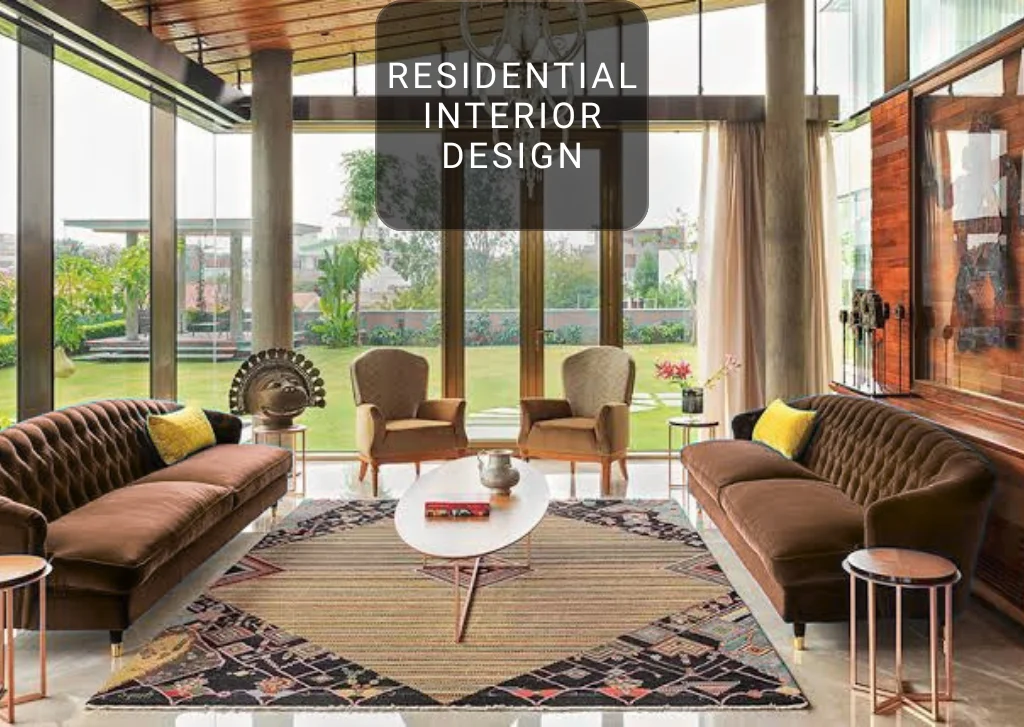
A well-designed home is more than an attractive space—it should support your lifestyle, improve comfort, and make everyday living easier. Whether you own a villa, townhouse, or apartment, investing in residential interior design Dubai helps create a home that combines functionality with timeless style. From efficient layouts to carefully selected materials, every design decision contributes to a better living experience.
Dubai’s residential market offers a wide variety of homes, each with unique design requirements and lifestyle expectations. A personalized interior design approach ensures every space is planned according to the property’s layout, the family’s needs, and the owner’s preferences.
In this guide, you’ll learn about residential interior design, popular styles, costs, project timelines, and everything you need to make informed decisions before starting your project.
What is Residential Interior Design?
Residential interior design is the process of planning and designing a home’s interior to improve its functionality, comfort, and appearance. It combines creative ideas with technical planning to create spaces that are practical, visually balanced, and tailored to the homeowner’s lifestyle.
The process includes space planning, furniture layouts, lighting, material selection, storage solutions, and decorative finishes that work together to create a cohesive home.
Unlike simply choosing furniture or paint colors, interior design focuses on how each room functions and connects with the rest of the house. Designers carefully consider movement, natural light, storage requirements, and everyday activities before preparing a complete design plan.
Homeowners looking for residential interior design companies in Dubai often choose experienced firms like Atech Interiors LLC, which provide customized solutions for modern homes across the UAE.
Residential Interior Design vs. Decorating vs. Fit-Out — What’s the Difference?
Residential interior design, interior decorating, and interior fit-out are related services, but each has a different purpose. Interior design focuses on planning the home’s layout and functionality, decorating enhances its appearance, and fit-out involves the construction and installation work needed to bring the design to life.
Understanding these differences helps homeowners select the right service for their project. If your renovation includes construction or structural work, comparing experienced residential fitout companies in Dubai ensures the project is completed safely, efficiently, and according to approved plans.
Popular Residential Interior Design Dubai Styles
Modern & Minimalist
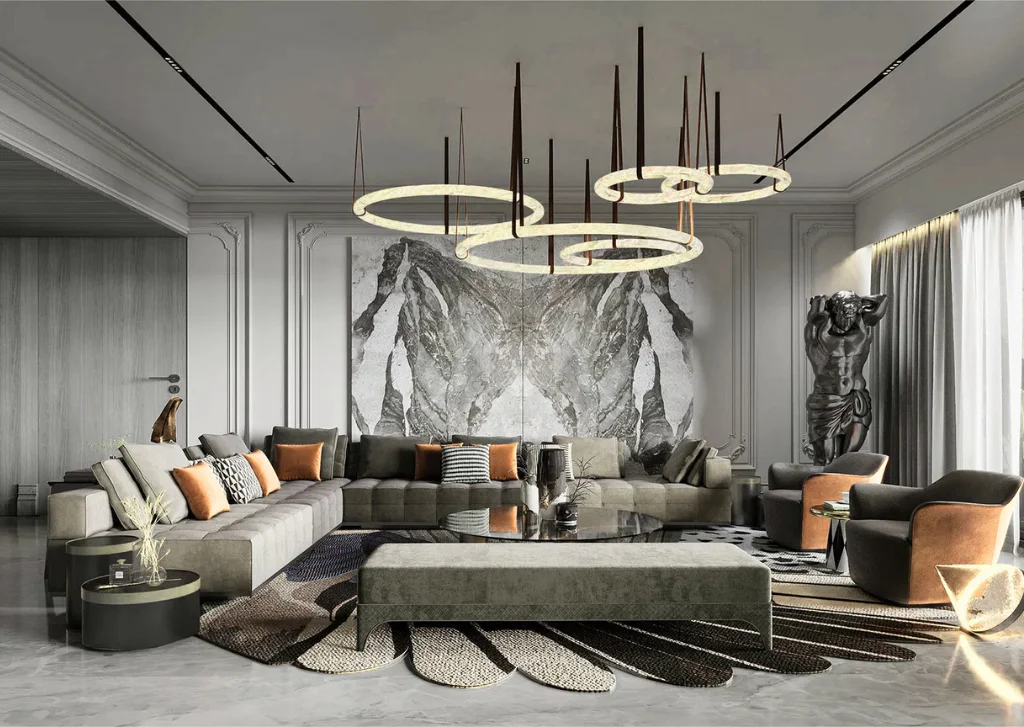
Modern and minimalist interiors focus on simplicity, clean lines, and practical living. Neutral colors, open layouts, concealed storage, and functional furniture create bright, clutter-free spaces that feel spacious and easy to maintain. This style is especially popular in contemporary apartments and newly built villas.
Luxury Contemporary
Luxury contemporary design combines modern aesthetics with premium finishes and stylish details. Marble, natural stone, statement lighting, custom furniture, and smart home features create elegant interiors that balance sophistication with everyday comfort. The result is a timeless home that remains stylish for years.
Arabic & Islamic-Inspired
Arabic and Islamic-inspired interiors celebrate the region’s heritage through geometric patterns, decorative arches, natural stone, brass accents, and luxurious fabrics. These traditional elements are often paired with modern furniture and neutral colors, creating homes that feel both authentic and contemporary.
Transitional Style
Transitional design blends classic elegance with modern simplicity, making it ideal for homeowners who appreciate timeless interiors. Soft neutral colors, layered textures, traditional architectural details, and contemporary furniture create a balanced look that feels warm, elegant, and functional.
Essential Features of Residential Interior Design Dubai
Smart Space Planning for Comfortable Living
Smart space planning ensures every room is organized for efficient movement and everyday convenience. Well-planned layouts improve circulation, maximize usable space, and include storage solutions that reduce clutter. This creates interiors that feel more spacious and comfortable without increasing the home’s footprint.
Cohesive and Attractive Living Space
A cohesive home uses coordinated colors, materials, furniture, and finishes to create visual harmony throughout every room. Instead of treating each area separately, designers ensure the entire home follows a consistent design language while still reflecting the homeowner’s personality and lifestyle.
Lighting Solutions for Comfort and Productivity
Good lighting improves both the appearance and functionality of a home. Combining ambient, task, and accent lighting with natural daylight creates spaces that are comfortable for relaxing, entertaining, and working from home. Energy-efficient LED fixtures and smart lighting controls also add convenience while reducing energy use.
Harmonious Colors and Textures
The right combination of colors and textures adds warmth, depth, and character to residential interiors. Neutral base tones paired with natural materials such as wood, stone, glass, and soft fabrics create a balanced environment that feels inviting and remains visually appealing over time.
How Much Does Residential Interior Design Cost in Dubai?
The cost of residential interior design Dubai is AED 150 – 600 per sq. ft. – AED 2000+ per sq. ft. The cost depends on factors such as property size, project complexity, material quality, and the level of customization required.
Working with an experienced residential interior designer Dubai, such as Atech Interiors LLC, can help you select suitable materials, manage costs effectively, and develop a realistic budget without compromising design quality.
How Long Does a Residential Interior Design Dubai Project Take?
Most residential interior projects in Dubai take 3 to 8 months, depending on the property’s size, renovation scope, approvals, and level of customization. Apartment renovations are generally completed faster, while villas often require additional time because of bespoke furniture, custom joinery, and larger construction work.
Residential Design by Property Type
Villas
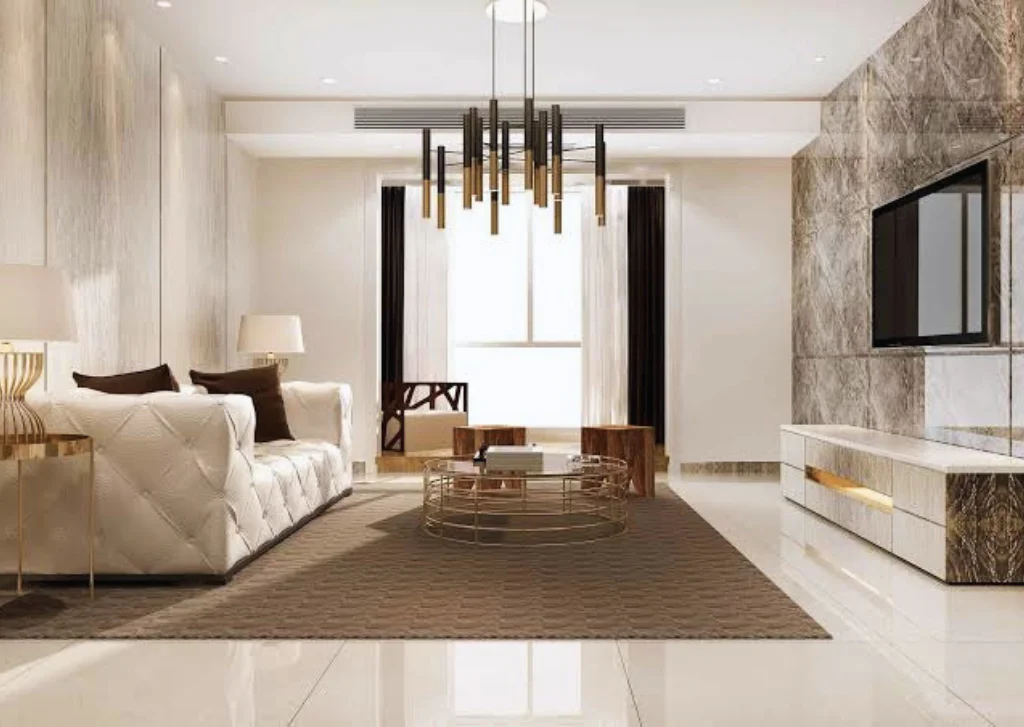
Villa interiors provide greater flexibility because they offer larger floor plans and multiple living areas. Designers can incorporate dedicated spaces such as home offices, entertainment rooms, walk-in wardrobes, gyms, and outdoor seating areas while maintaining a smooth flow between rooms. Large windows, premium materials, and customized storage solutions further enhance the comfort and luxury of villa living.
Apartments & Penthouses
Apartments and penthouses require efficient layouts that maximize every square meter without making the space feel crowded. Open-plan living, built-in storage, multifunctional furniture, and carefully planned lighting help create bright and spacious interiors. Luxury penthouses often include bespoke finishes, panoramic views, and smart home features that elevate the overall living experience.
Townhouses
Townhouses combine multiple floors with shared living spaces, making circulation and space planning especially important. Designers focus on creating smooth connections between levels, optimizing storage, and maintaining consistency throughout the home. Flexible layouts also allow families to adapt rooms as their lifestyle changes over time.
The Residential Interior Design Dubai Process, Step-by-Step Guide
Concept & Space Planning
Every project begins with understanding the homeowner’s lifestyle, design preferences, and practical requirements. Designers conduct site measurements, evaluate the existing layout, and prepare floor plans or 3D concepts that improve space utilization, circulation, and functionality before construction starts.
Material & Furniture Selection
Choosing suitable materials and furniture is essential for creating interiors that are durable, attractive, and easy to maintain. Flooring, cabinetry, wall finishes, lighting, and furnishings should complement the design concept while performing well in Dubai’s climate. Selecting quality products also helps improve the home’s long-term value.
Execution & Project Management
After the design is approved, the project moves into construction and installation. This stage includes procurement, contractor coordination, quality inspections, and regular site supervision to ensure every detail is completed according to the approved design, budget, and timeline.
Styling & Handover
The final stage transforms the completed house into a finished home through carefully selected furniture, artwork, rugs, curtains, and decorative accessories. Before handover, the project is inspected to ensure all work meets quality standards and every space is ready for immediate use.
Designing Residential Interiors for Dubai’s Climate
Dubai’s hot weather and seasonal humidity make climate-responsive design an important part of every residential project. Choosing durable materials and energy-efficient solutions helps maintain indoor comfort while reducing maintenance requirements. Proper ventilation, natural light management, and suitable finishes also improve the home’s long-term performance.
Best Materials for Heat and Humidity
Materials should withstand high temperatures and humidity without losing their appearance or durability. Porcelain tiles, quartz countertops, engineered wood, moisture-resistant gypsum boards, aluminum, and premium laminates are widely used because they require minimal maintenance and perform well in local conditions.
Flooring, Fabric & Furniture Choices
Flooring materials such as porcelain, natural stone, and engineered wood are practical choices for Dubai homes because they are durable and easy to maintain. Breathable fabrics like linen and cotton blends improve comfort, while solid wood, engineered wood, and powder-coated metal furniture provide lasting performance and complement a wide range of interior styles.
Key Zones in a Dubai Residential Interior
A well-designed home is divided into functional zones that support different activities while maintaining a balanced and organized layout. Planning each zone according to its purpose improves comfort, privacy, and everyday usability. This approach also creates a smoother transition between living, working, and relaxation areas.
Social Spaces — Living & Dining
Living and dining areas are designed for family interaction, entertaining guests, and everyday relaxation. Comfortable seating, practical furniture layouts, layered lighting, and open-plan concepts help create welcoming spaces that encourage conversation while making the home feel more spacious.
Functional Spaces — Kitchen, Home Office, Utility
Functional areas should be efficient, organized, and easy to maintain because they support daily household activities. Kitchens benefit from practical work layouts and sufficient storage, while home offices require ergonomic furniture and proper lighting to improve productivity. Utility rooms should also include well-planned storage to keep the home organized.
Private Spaces — Bedrooms & Bathrooms
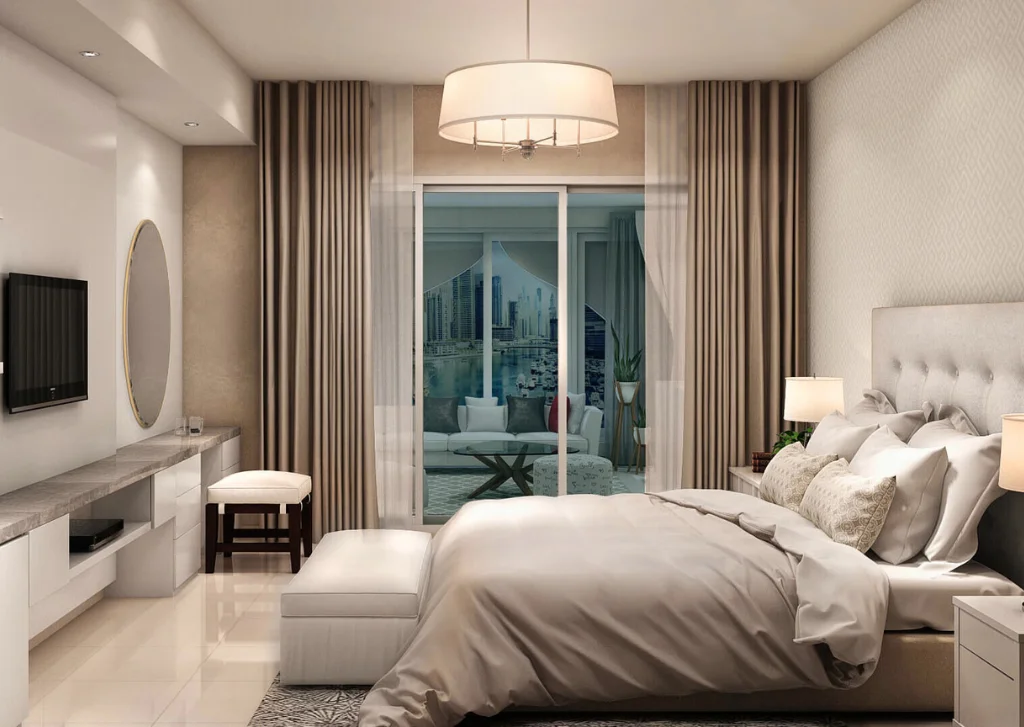
Bedrooms and bathrooms should provide privacy, comfort, and a relaxing atmosphere away from the home’s social areas. Soft color palettes, quality materials, efficient storage, and thoughtfully positioned lighting help create restful spaces that support both wellbeing and everyday convenience.
Smart Home & Sustainable Trends in Residential Interior Design Dubai
Modern homes are becoming smarter and more sustainable by combining technology with practical design solutions. Smart lighting, automated curtains, intelligent climate control, voice assistants, and advanced security systems allow homeowners to manage their homes more efficiently while improving comfort and convenience. These features also help optimize energy usage and create a more personalized living experience.
Sustainability is equally important in today’s residential interiors. Many homeowners now choose LED lighting, low-VOC paints, energy-efficient appliances, water-saving fixtures, and responsibly sourced materials to reduce environmental impact and lower long-term operating costs. These thoughtful choices create healthier living spaces while supporting a more sustainable lifestyle.
Do You Need Approval for Residential Renovation in Dubai?
Yes, many residential renovation projects in Dubai require approvals, depending on the type of work being carried out. Cosmetic improvements such as painting, replacing furniture, or changing decorative finishes generally do not require permits.
However, structural modifications, wall removal, electrical or plumbing changes, kitchen and bathroom relocation, and major layout alterations usually need approval from the relevant authority or community developer.
Before starting any renovation, homeowners should confirm the approval requirements for their property. Depending on the location, approvals may involve Dubai Municipality, the building management, or developers such as Emaar, Nakheel, or other master communities. Working with an experienced contractor helps manage documentation efficiently and ensures the project complies with local regulations.
How to Choose the Right Residential Interior Designer in Dubai
Choosing the right interior designer starts with finding a professional who understands your lifestyle, budget, and project goals. An experienced designer should have a strong residential portfolio, transparent pricing, knowledge of Dubai regulations, and a clear project management process. Good communication and realistic timelines are equally important for ensuring a smooth and successful project.
Before making your decision, consider the following factors:
- Experience with villas, apartments, or townhouses similar to your property.
- A portfolio that reflects quality workmanship and design consistency.
- Knowledge of local renovation approvals and building regulations.
- Transparent quotations with a clearly defined scope of work.
- Positive client reviews and reliable after-project support.
- An integrated design-and-build approach for better coordination.
Final Thoughts
Creating a beautiful home is about more than selecting attractive finishes; it requires careful planning, quality materials, and thoughtful design that supports everyday living. Whether you are renovating an apartment or designing a luxury villa, professional residential interior design in Dubai helps maximize space, improve functionality, and create interiors that remain stylish for years to come.
Working with experienced professionals ensures every stage of the project is handled efficiently, from concept development and material selection to execution and final handover.
If you are looking for reliable residential design solutions, Atech Interiors LLC offers customized services that combine creativity, technical expertise, and quality craftsmanship to transform your vision into a home that is both elegant and practical.
FAQs – Frequently Asked Questions
1. What should I expect during a residential interior design Dubai consultation?
A residential interior design consultation helps define your lifestyle, budget, space requirements, and design goals to create a practical plan before any work begins.
2. Can an interior designer work with my existing furniture and decor?
Yes, a professional designer can incorporate your existing furniture and decor where suitable, helping reduce costs while creating a cohesive and refreshed interior.
3. Should I hire an interior designer before buying furniture?
Yes, hiring a designer first prevents costly purchasing mistakes by ensuring every furniture piece fits the layout, proportions, and overall design concept.
4. Is residential interior design Dubai worth the investment?
Yes, professional residential interior design improves space utilization, enhances everyday comfort, reduces expensive design mistakes, and can increase your property’s value.
5. Can residential interior design Dubai make a small home look bigger?
Yes, smart layouts, built-in storage, light color schemes, and well-planned lighting can make a small home feel more spacious and functional without increasing its size.