
Introduction
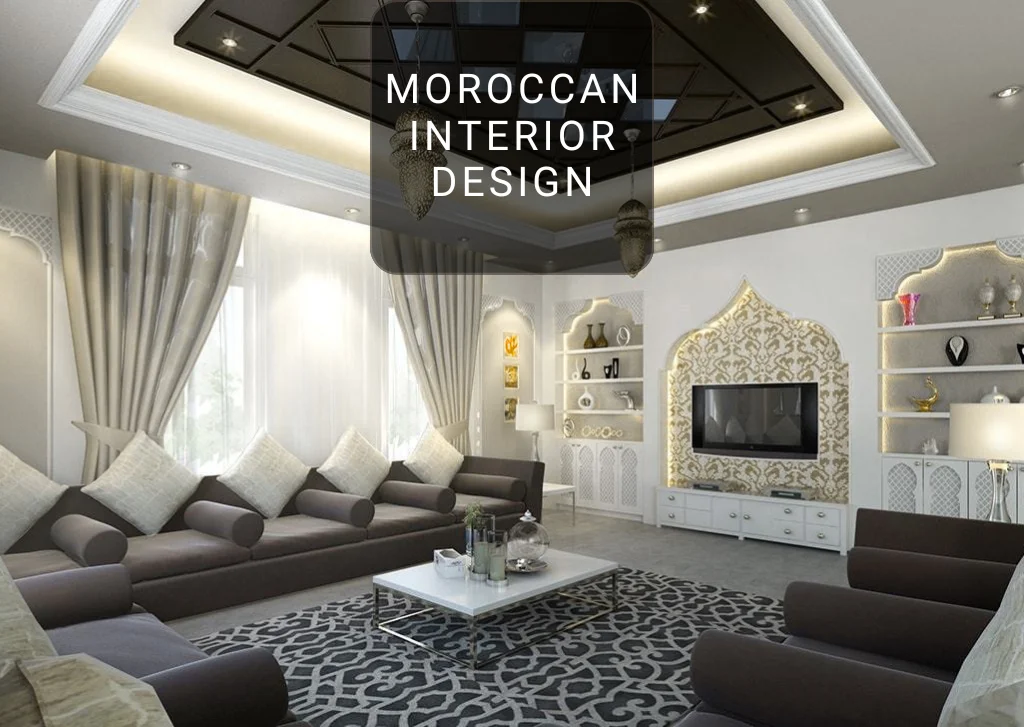
Moroccan interior design is more than just decoration; it is a reflection of culture, history, and craftsmanship that has developed over centuries. It blends influences from Berber, Arab, and Mediterranean traditions, which is why every space designed in this style feels rich and meaningful.
In cities like Dubai, where modern living meets cultural diversity, this design style is becoming increasingly popular among homeowners.
What makes this style special is how it combines beauty with comfort in a very natural way. From colorful tiles to soft lighting and layered textiles, each element works together to create a warm and inviting atmosphere.
Whether you are designing a villa or upgrading an apartment, Moroccan interior design can bring a unique identity to your space without making it feel overwhelming.
Key Elements of Moroccan Style Interior Design
Rich and Warm Color Palette in Moroccan Style Interiors
One of the most noticeable features of Moroccan interiors is the use of bold and warm colors that are inspired by nature. Shades like deep red, burnt orange, and golden yellow reflect the desert landscape, while blues and greens are inspired by the sea and sky.
These colors are often combined to create a lively and energetic environment, but they are always balanced with neutral tones like cream or sand.
In modern UAE homes, designers often start with a softer base and then add stronger colors through decor items. This approach helps maintain harmony while still keeping the essence of traditional Moroccan interior design alive.
It also works well for people who want to enjoy vibrant interiors without making their homes feel too busy or overwhelming.
Decorative Lighting and Lanterns in Moroccan Design
Lighting in Moroccan interiors is not just functional; it plays a big role in setting the mood of the space.
Traditional lanterns are made from metal with small perforations, which allow light to pass through and create beautiful shadow patterns on walls and ceilings. This soft, diffused lighting makes the room feel calm and inviting, especially in the evening.
In Dubai homes, this concept is often adapted by using layered lighting. For example, a combination of hanging lanterns, wall lights, and table lamps can create depth and warmth.
This technique is especially effective in a Moroccan interior design living room, where lighting helps create a relaxing and social atmosphere.
Traditional Moroccan Furniture
Furniture in Moroccan interiors is designed to bring people together and create a relaxed environment.
Low seating arrangements, such as floor cushions, poufs, and low sofas, are very common because they encourage conversation and comfort. Wooden furniture often features detailed carvings, which add an artistic touch to the space.
In modern homes, many people prefer to mix these traditional pieces with contemporary furniture.
This creates a balanced look that fits today’s lifestyle while still keeping the charm of the original style. These combinations are often seen in Moroccan style interior design ideas, where comfort and style go hand in hand.
Moroccan Style Wall Decor
Walls in Moroccan interiors are treated as a canvas for artistic expression rather than just a background. Decorative tiles, carved plaster, and wooden panels are commonly used to add texture and detail.
Geometric patterns are especially important because they reflect traditional Islamic art and design principles.
You can also enhance your walls with mirrors, metal decor, or patterned plates. These elements are widely used in Moroccan-inspired home decor because they instantly make a space feel more vibrant and complete. Even a single feature wall can transform the entire look of a room.
Tile Work and Textured Flooring in Moroccan Style
Tile work is one of the most iconic features of Moroccan interiors, especially the use of zellige tiles. These are small, hand-cut tiles arranged in complex geometric patterns, and they are often used on floors, walls, and even fountains.
Besides their beauty, they are also practical because they help keep interiors cool, which is very useful in warm climates like the UAE.
To make the space feel more comfortable, these tiles are usually paired with soft rugs made from wool or cotton. This combination adds both texture and warmth, making the space feel more inviting. If you are planning a Moroccan room design, this mix of tiles and rugs is an essential feature to include.
Courtyards and Outdoor Moroccan Inspired Spaces
Traditional Moroccan homes are often built around a central courtyard, which serves as a private outdoor space for relaxation. These courtyards usually include plants, fountains, and shaded seating areas, creating a peaceful environment away from the outside world. The sound of water and the presence of greenery add to the calming effect.
In the UAE, this idea can be adapted for villas and larger homes by creating outdoor lounges or patios. Adding lanterns, patterned tiles, and comfortable seating can turn any outdoor area into a relaxing retreat. These setups are among the most popular Moroccan-style room ideas for enhancing both indoor and outdoor living.
Adapting Moroccan Style for Small Spaces
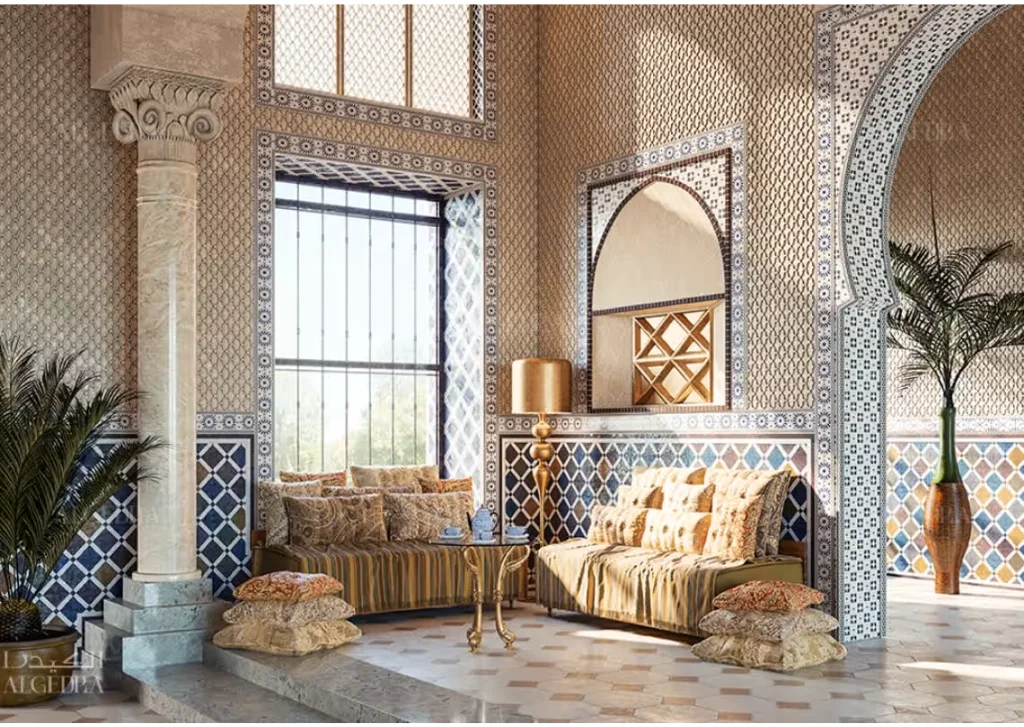
Many people think Moroccan design only works in large homes, but it can also be adapted for smaller spaces if done carefully. The key is to use a few statement pieces instead of filling the entire room with patterns and colors. For example, a bold rug or a decorative lantern can add character without making the space feel crowded.
Using mirrors and lighter colors can also help create a sense of openness. Compact furniture and smart storage solutions make the space more functional while maintaining the style. This approach is especially useful for apartments in Dubai, where space is often limited.
Handmade Accessories and Decorative Accents
Accessories are what truly bring Moroccan interiors to life because they highlight the importance of craftsmanship. Handmade items like ceramic vases, brass trays, woven baskets, and patterned cushions add personality and authenticity to the space. These pieces often have slight imperfections, which make them feel more natural and unique.
Some commonly used decorative accents include:
- Handcrafted lanterns and lamps
- Patterned cushions and throws
- Ceramic pottery and metal trays
- Woven rugs and baskets
These elements are often seen in Moroccan bohemian decor, where layering and texture play a big role in creating a warm and inviting environment.
Traditional Details with Comfort and Functionality
Moroccan interiors are designed to be both beautiful and practical at the same time. The use of low seating, soft textiles, and open layouts makes the space comfortable for everyday living. At the same time, features like thick walls and natural materials help keep the interiors cool, which is very important in hot climates.
This balance between style and function is what makes this design suitable for modern homes in the UAE. It allows homeowners to enjoy a visually rich environment without sacrificing comfort. This is especially important in family homes where both aesthetics and usability matter.
Blending Smart Technology with Moroccan Interiors
As homes in Dubai become more advanced, many people are combining traditional design with modern technology. Smart lighting systems, automated curtains, and climate control can be integrated into Moroccan interiors without affecting their look.
This approach is becoming common in Moroccan contemporary interior design, where tradition meets innovation. It allows homeowners to enjoy modern convenience while still maintaining a strong cultural identity in their space.
Trends in Moroccan Interior Design for Homes in the UAE
In recent years, Moroccan interior design has evolved to suit modern lifestyles in the UAE. Many homeowners now prefer a softer and more minimal approach, where bold elements are used carefully instead of dominating the space.
This has led to the rise of styles like modern Moroccan interior, where clean layouts are combined with traditional accents.
Another important trend is the use of eco-friendly materials and sustainable design practices. People are choosing natural fabrics, reclaimed wood, and handmade decor to create more meaningful spaces.
At the same time, minimalist Moroccan decor is gaining popularity, especially in apartments where simplicity and functionality are important.
Moroccan Majlis vs. Arabian Majlis
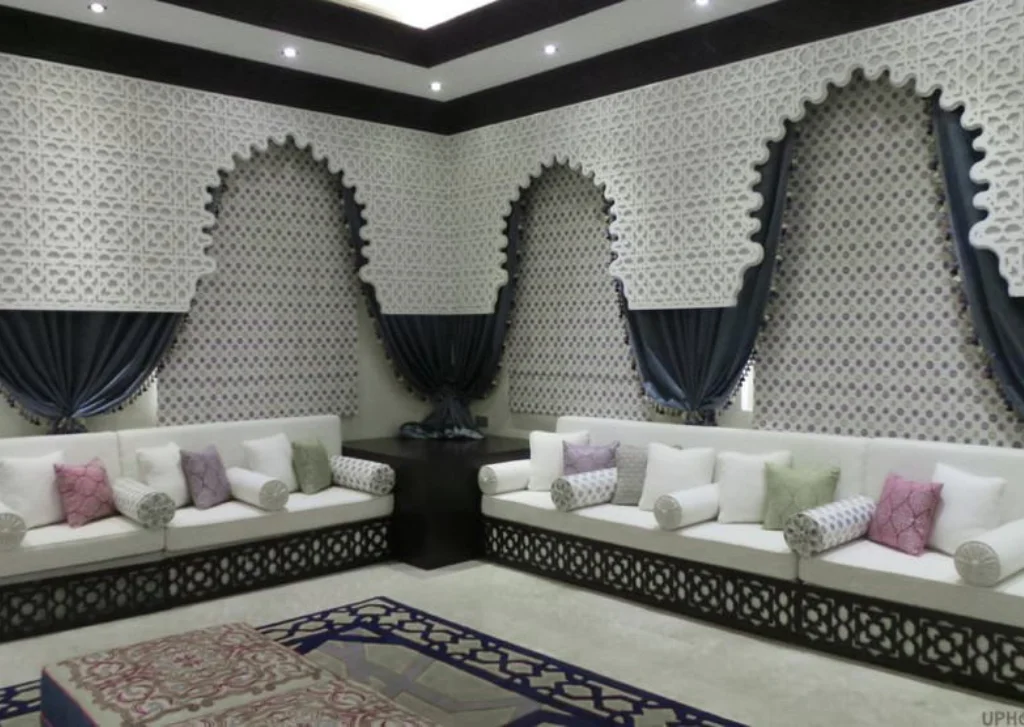
The concept of a Majlis is deeply rooted in Middle Eastern culture, but Moroccan and Arabian styles have clear differences. A Moroccan Majlis is known for its bold colors, detailed patterns, and rich textures, which create a vibrant and artistic environment. It often includes layered seating, decorative tiles, and decorative lighting.
In contrast, an Arabian Majlis is simpler and more minimal in design. It usually features neutral colors, clean lines, and a focus on comfort rather than decoration. Both styles are popular in the UAE, but the choice depends on whether you prefer a more decorative or understated look.
Common Challenges of Moroccan Design in UAE Homes
One of the main challenges of using Moroccan design in UAE homes is finding the right balance between bold design and modern simplicity. The use of strong colors and detailed patterns can sometimes make a space feel too busy, especially in smaller homes. This is why careful planning is important.
Another challenge is sourcing authentic materials and decor items, as high-quality Moroccan products can be expensive and not easily available locally. Climate is also a factor, as materials must be able to handle heat and humidity. However, with the right approach, these challenges can be managed effectively.
Atech Interiors LLC: Experts in Moroccan Interior Design
Atech Interiors LLC is one of the best interior design companies in Dubai that understands how to bring Moroccan interiors into modern spaces.
Their team focuses on combining traditional design elements with contemporary needs, ensuring that every project is both stylish and functional. From concept development to final execution, they provide complete interior design solutions.
If you are looking for a professional Moroccan interior designer, Atech Interiors LLC offers the expertise needed to create a truly unique space.
Whether it’s a villa, apartment, or commercial project, they ensure that every detail reflects quality and craftsmanship. Their experience makes them a reliable choice for Moroccan-inspired interiors in the UAE.
Conclusion
Moroccan interior design offers a perfect blend of culture, creativity, and comfort, making it an excellent choice for modern homes in the UAE. Its use of colors, textures, and handcrafted details creates spaces that feel warm, inviting, and full of character. Whether you choose a full transformation or small decorative changes, the impact can be significant.
As this style continues to evolve, it is becoming easier to adapt it to different spaces and lifestyles. From large villas to compact apartments, Moroccan design can fit anywhere with the right approach. By carefully combining traditional elements with modern needs, you can create a home that is both timeless and practical.
FAQs – Frequently Asked Questions
1. What is Moroccan interior design style?
Moroccan interior design style combines bold colors, geometric patterns, handcrafted decor, and layered textures to create warm, artistic, and culturally rich spaces.
2. How can I add Moroccan style to my home in Dubai?
You can add Moroccan style by using patterned rugs, lantern lighting, colorful cushions, and a mix of modern furniture with traditional Moroccan accents.
3. Is Moroccan interior design suitable for hot climates like the UAE?
Yes, Moroccan design uses breathable materials, tiled surfaces, and airy layouts that naturally help keep interiors cool in hot climates.
4. How much does Moroccan interior design cost in Dubai?
Moroccan interior design in Dubai usually costs between AED 120 to AED 600+ per square meter, depending on handcrafted elements, custom furniture, materials, and overall design complexity.