
Introduction
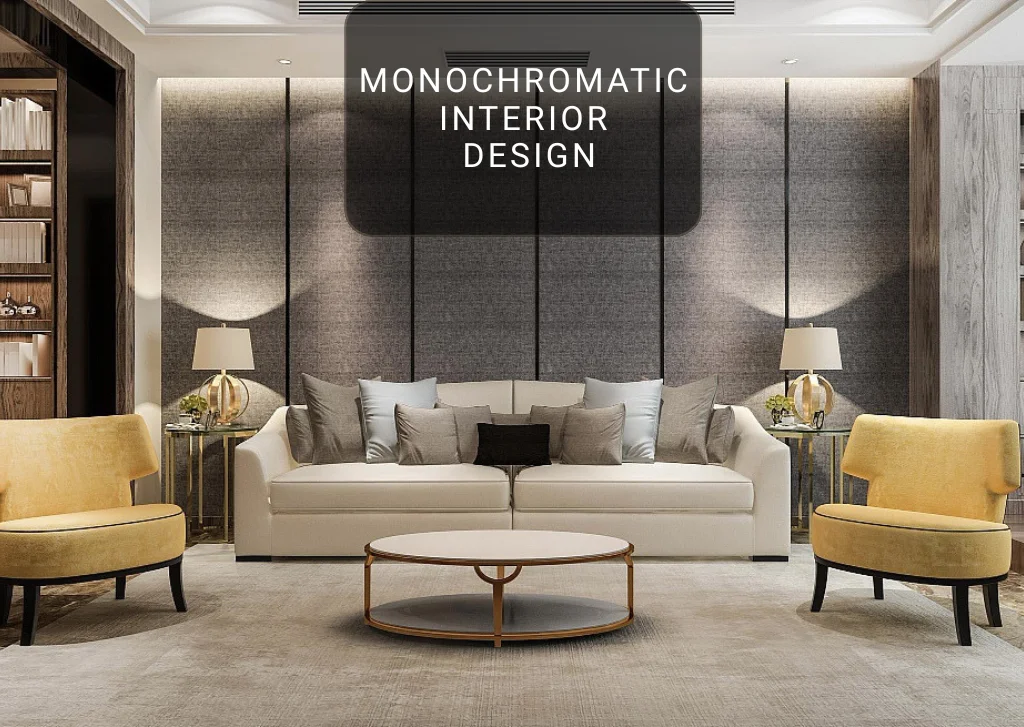
A well-designed home does not always need bold colours to make a lasting impression. Monochromatic interior design in Dubai uses one colour family and builds depth with different shades, textures, materials, and lighting. This creates a calm, elegant, and timeless look that suits modern villas, apartments, and commercial spaces across the UAE.
As more homeowners prefer clean and elegant interiors, monochromatic designs have become a popular choice. When planned carefully, this style makes rooms feel balanced, spacious, and luxurious while allowing architectural details and premium finishes to stand out.
What is Monochromatic Interior Design?
Monochromatic interior design uses one base colour with its tints, tones, and shades to create a balanced and visually interesting space. Instead of relying on multiple colours, it achieves contrast through gentle colour variations, layered textures, and different surface finishes. This approach helps create a refined monochromatic scheme interior design that feels stylish without looking busy.
Why is Monochromatic Design Trending in Dubai Homes?
Monochromatic design is becoming popular in Dubai because it complements modern architecture, abundant natural light, and luxury living.
Warm colours like beige, sand, taupe, and soft grey blend naturally with Dubai’s surroundings while creating bright and welcoming interiors. They also pair beautifully with marble, wood, brass, and stone, which are widely used in premium homes.
Another reason for its popularity is its timeless appeal. Rather than following changing colour trends, homeowners are choosing interiors that remain elegant for years, making monochromatic interior design in Dubai a practical long-term investment.
Monochromatic vs. Minimalist vs. Neutral: What’s the Difference?
Monochromatic, minimalist, and neutral interiors are different design approaches, even though they often look similar. The main difference lies in how colour is used throughout the space.
For example, a monochromatic room design may use several shades of beige, while a minimalist room can combine black, white, and wood. A neutral interior, on the other hand, mixes several soft colours rather than staying within one colour family.
What to Consider Before Choosing a Monochromatic Color
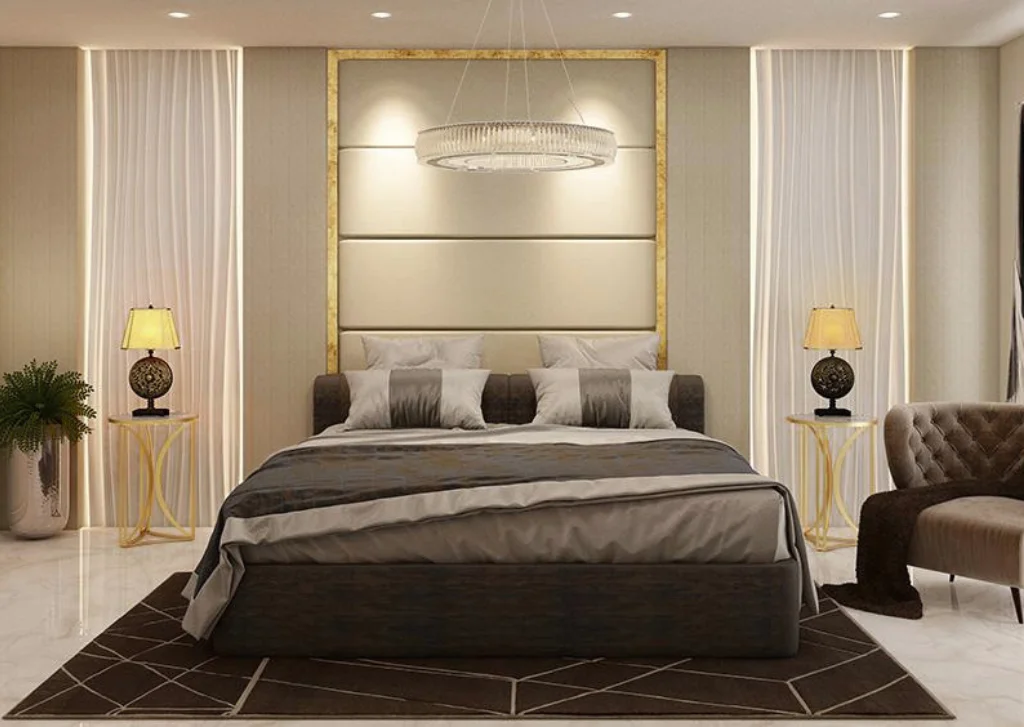
Selecting the right colour starts with understanding the room itself. Consider its size, purpose, amount of natural light, existing flooring, built-in furniture, and permanent finishes before making a decision. A colour that looks beautiful in a showroom may appear completely different once installed inside your home.
Why Dubai’s Natural Light Changes Your Colour Choice
Dubai’s bright sunlight affects how every colour appears throughout the day. Warm shades usually remain soft and welcoming, while cooler tones may appear sharper under strong daylight. Always test paint samples on different walls before making a final choice, especially when planning monochromatic interior design in Dubai.
Undertones Matter More Than You Think
Undertones can make or break a monochromatic colour palette. Two beige paints may look almost identical but produce very different results because one has warm yellow undertones while the other leans towards cool grey.
Keeping undertones consistent across walls, furniture, and finishes creates a more balanced monochromatic house design that feels natural and professionally designed.
How to Create a Monochromatic Interior: Step by Step Guide
Creating a successful monochromatic interior is easier when you follow a clear process. The goal is to balance colour, texture, lighting, and materials so the space feels elegant rather than repetitive.
Step 1 — Choose a Color That Defines the Space
Start by selecting a colour that matches the room’s purpose and the atmosphere you want to create. Soft beige, warm grey, sage green, and muted blue are popular choices because they are easy to style and remain timeless. For example, monochromatic blue interior design works well in bedrooms and home offices where a calm environment is important.
Step 2 — Create Depth with Different Shades and Tones
Instead of using one exact shade everywhere, combine light, medium, and dark variations of the same colour. A simple way is to use lighter shades on walls, medium tones for large furniture, and deeper shades for cushions or decorative pieces. This layered approach adds depth while keeping the monochromatic color in interior design consistent throughout the room.
Step 3 — Add Layers of Texture for Visual Interest
Texture is what keeps a monochromatic interior from looking plain. Mix smooth and textured materials such as linen, velvet, natural wood, marble, stone, boucle, or brushed metal to create gentle contrast. Different finishes reflect light differently, giving the room warmth and character without introducing extra colours.
Step 4 — Use Layered Lighting to Enhance the Design
Lighting brings out the beauty of different tones and textures. Combine ambient, task, and accent lighting so each area of the room feels balanced and comfortable. Warm lighting also softens the overall look, making monochromatic interior design in Dubai feel more inviting during both the day and evening.
Why Does Texture Matter So Much in Monochromatic Spaces?
Texture is essential because it replaces colour contrast in a monochromatic interior. Without a variety of materials and finishes, even the best colour palette can look flat or lifeless. Layering textures creates movement, highlights architectural details, and makes the space feel warm and welcoming.
Types of Texture to Layer In
Consider mixing different textures throughout the room, including:
- Natural wood and stone
- Marble and travertine
- Linen, velvet, and boucle fabrics
- Matte and glossy finishes
- Brushed brass or bronze accents
- Ribbed glass and handcrafted ceramics
Where to Focus Texture for Maximum Impact
Focus on the largest surfaces first, then add smaller decorative details.
- Feature walls
- Rugs and curtains
- Headboards
- Coffee tables
- Decorative lighting
- Cushions and throws
Monochromatic Design, Room by Room
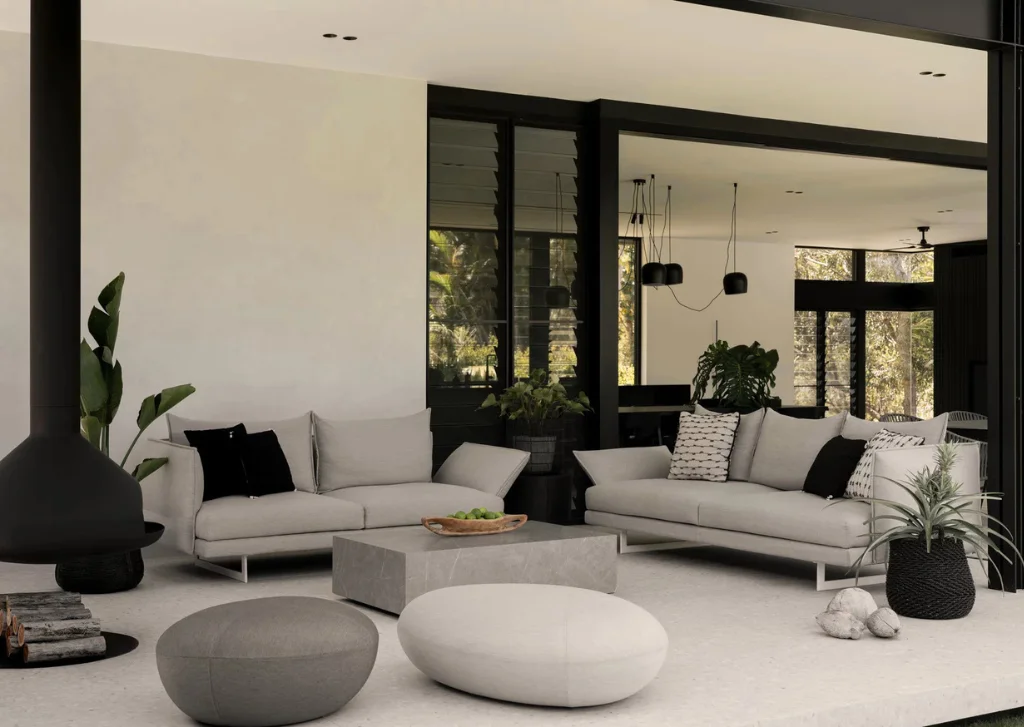
Every room can benefit from a monochromatic approach when the colour palette is adapted to its purpose.
Living Room
A living room should feel welcoming and comfortable. Combine a neutral sofa with textured cushions, a large area rug, wooden furniture, and warm metallic accents to create balance. A blue monochromatic color scheme in interior design can also work beautifully in larger living spaces by adding a calm yet elegant feel.
Bedroom
Bedrooms benefit from soft colours and layered fabrics that promote relaxation. Cushioned headboards, linen bedding, soft rugs, and warm bedside lighting help create a peaceful atmosphere while maintaining a balanced colour palette.
Kitchen & Bathroom
In kitchens and bathrooms, keep cabinetry, countertops, and wall finishes within the same colour family for a clean appearance. Mixing matte cabinets with stone surfaces, brushed hardware, and textured tiles prevents the design from feeling overly uniform while giving monochromatic interior design in Dubai a modern, luxurious finish.
How Do You Keep a Monochromatic Room From Looking Flat?
You can keep a monochromatic room from looking flat by layering different shades, textures, materials, and lighting. Avoid using the same finish on every surface, as this can make the space feel one-dimensional.
Instead, combine matte and glossy finishes, natural materials, soft fabrics, and a few metallic accents to create subtle contrast while keeping the overall palette consistent.
Is Monochromatic Design Good for Small Spaces?
Yes, monochromatic design is an excellent choice for small spaces because it creates a smooth visual flow. Using one colour family reduces visual breaks, making walls, ceilings, and furniture feel more connected. This design approach helps compact apartments and smaller rooms in Dubai appear brighter, more open, and less cluttered.
What Are the Pros and Cons of Monochromatic Interior Design?
Like any design style, monochromatic interiors have both advantages and limitations.
How Much Does Monochromatic Interior Design Cost in Dubai?
The cost of a monochromatic interior design project in Dubai ranges from AED 15,000 to AED 1,200,000+. The final cost depends on the size of the property, the design complexity, the materials selected, and the level of customization.
While decorative updates are generally more affordable, complete interior fit-outs with custom joinery, premium lighting, and luxury finishes require a higher investment.
If you are looking for a professionally planned monochromatic home, Atech Interiors LLC can create tailored solutions that combine functionality, premium materials, and timeless design for homes across Dubai.
What Mistakes Should You Avoid in Monochromatic Design?
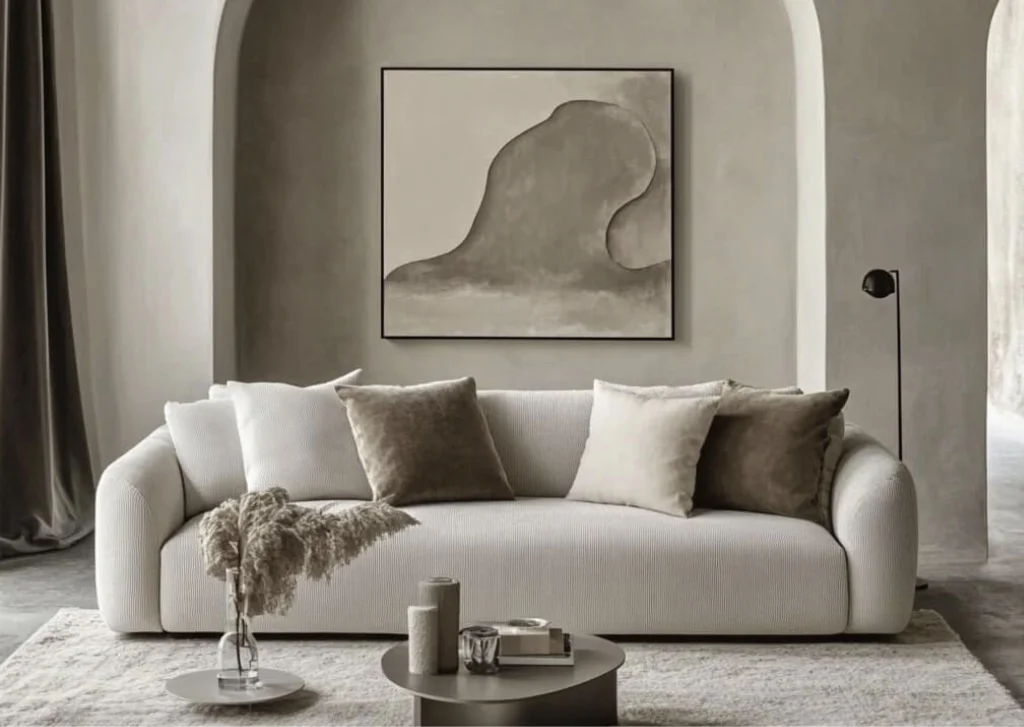
The most common mistakes happen when every element looks too similar. Avoid these issues for a more balanced result:
- Using only one exact shade throughout the room.
- Ignoring warm and cool undertones.
- Forgetting to layer textures.
- Relying on one type of lighting.
- Adding too many contrasting accessories.
- Skipping paint sample testing before final selection.
Conclusion
Monochromatic interior design in Dubai proves that simplicity can be just as impressive as bold colour schemes. By combining one colour family with layered tones, rich textures, quality materials, and thoughtful lighting, you can create a home that feels elegant, comfortable, and timeless.
Whether you are renovating an apartment or designing a luxury villa, careful planning is the key to success. Working with experienced professionals like Atech Interiors LLC ensures every detail comes together to create a balanced interior that reflects your lifestyle and enhances your living space.
FAQs – Frequently Asked Questions
1. Does monochromatic interior design mean only black and white?
No. It uses different shades, tints, and tones of any single colour family, while black-and-white interiors are known as achromatic designs.
2. Is monochromatic design timeless, or just a passing trend?
It is considered timeless because it focuses on balance, harmony, and quality materials rather than short-term colour trends.
3. Does monochromatic design make a small room feel bigger or smaller?
It usually makes small rooms feel larger by reducing visual interruptions and creating a continuous flow throughout the space.
4. Can a monochromatic interior feel cold or sterile?
Yes, but only if it lacks texture, layered lighting, and natural materials. Adding wood, fabrics, stone, and warm metals creates a more welcoming atmosphere.
5. Can you add gold or brass accents to a monochromatic colour scheme?
Yes. Gold and brass accents add warmth and subtle contrast without taking attention away from the main colour palette.
6. What’s the difference between monochromatic and achromatic design?
Monochromatic design uses variations of one colour, while achromatic design relies only on black, white, and grey.
7. Does monochromatic design work differently in a Dubai villa vs. an apartment?
The design principles remain the same, but villas can accommodate darker tones and larger feature pieces, while apartments often benefit from lighter palettes that maximise brightness and openness.
8. What are the best materials for a monochromatic interior — marble, wood, or concrete?
A combination of all three works best. Marble adds elegance, wood introduces warmth, and concrete creates a clean, contemporary look.
9. Is monochromatic design suitable for a home office?
Yes. A carefully planned palette reduces visual distractions and helps create a focused, comfortable working environment.
10. How do you find the right interior designer in Dubai for a monochromatic project?
Choose a company with a strong portfolio, experience in luxury interiors, transparent pricing, and expertise in lighting, materials, and colour planning.
11. How long does a monochromatic interior design project take?
A decorative makeover may take 4 to 8 weeks, while a complete apartment or villa interior project typically takes 2 to 6 months, depending on the scope of work, approvals, and custom finishes.