
Introduction
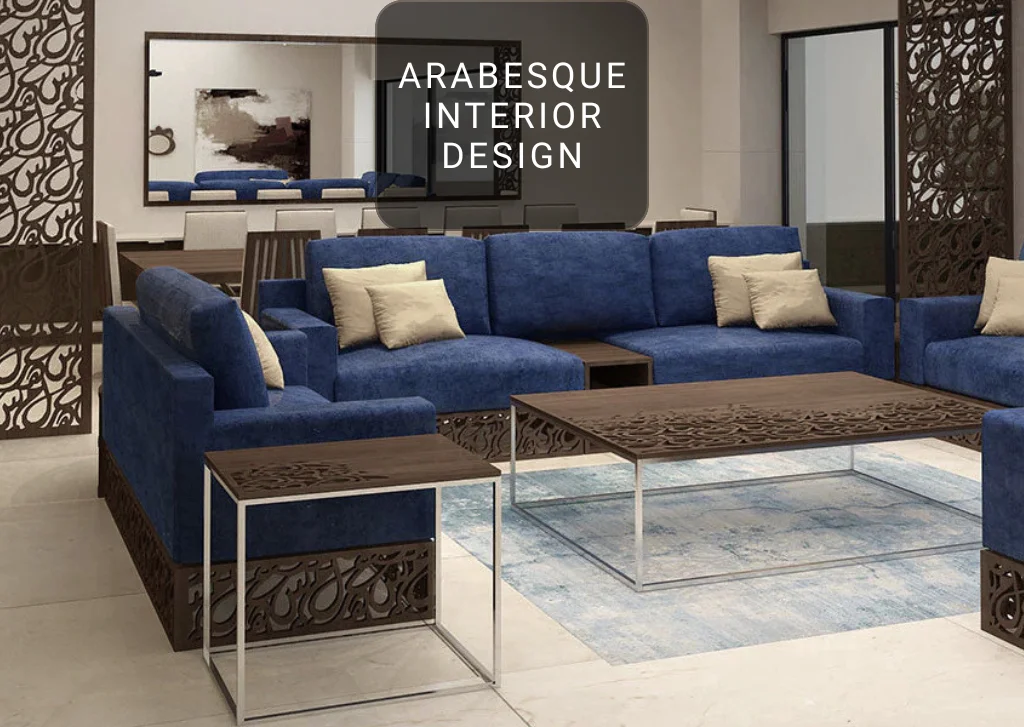
Some design styles come and go with trends. Arabesque is not one of them. It has been shaping beautiful spaces for over a thousand years and continues to do so today. Arabesque interior design in Dubai holds a very special place because this style is not just visually stunning, it is also deeply rooted in the cultural identity of this region.
Companies like Atech Interiors LLC bring this heritage to life through thoughtful, customized Arabesque interiors that balance cultural authenticity with the demands of modern luxury living.
What makes Arabesque so powerful in Dubai is how naturally it fits. The city values craftsmanship, cultural depth, and visual richness, and Arabesque delivers all three. Whether you are designing a private villa, a hotel lobby, or a commercial space, this style adds meaning and beauty that goes far beyond simple decoration.
What is Arabesque Interior Design?
Arabesque is a decorative style built on repeating geometric patterns, flowing floral motifs, and decorative woven patterns. It emerged in Islamic art around the 10th century, originally used to decorate mosques, manuscripts, and palaces.
The patterns were designed to suggest infinity and continuity, reflecting the Islamic concept of the boundless nature of creation. Every line, curve, and shape carries purpose and mathematical precision.
What makes this style unique is its principle of avoiding figurative imagery. Instead of showing people or animals, Arabesque relies on geometry, stylized plant forms, and calligraphy to create rich visual language. This gave the style a timeless, non-dated quality that works just as well in a modern Dubai villa as it did in a 12th-century palace.
Core Elements of Arabesque Interiors
Patterns and Shapes
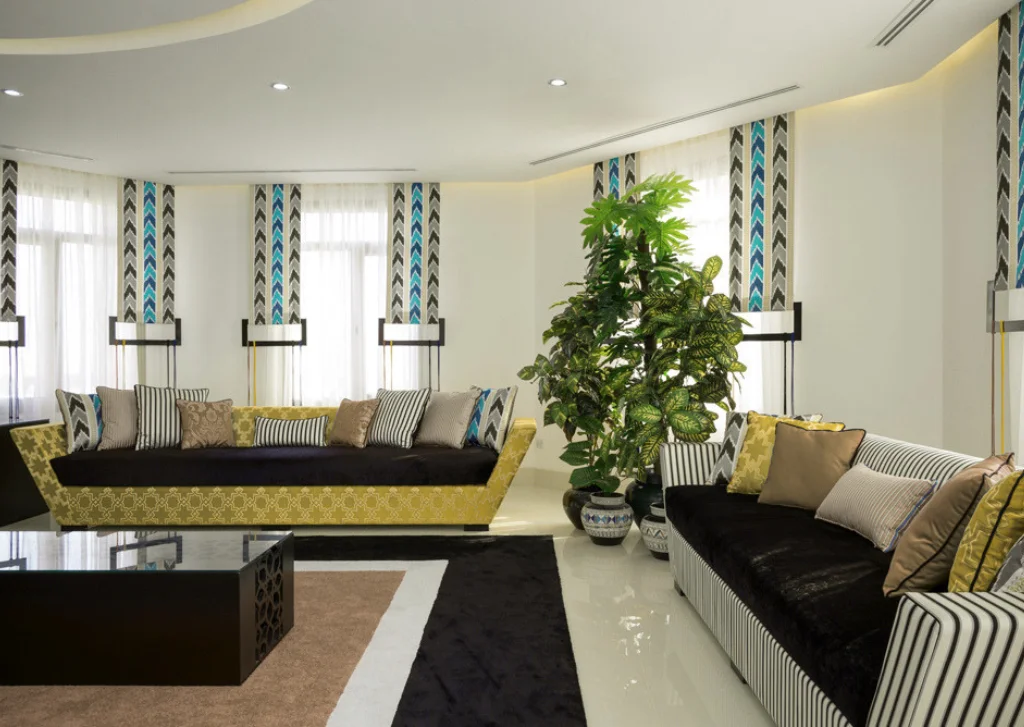
Patterns are at the heart of Arabesque interiors and give the style its distinctive identity. The design often features interlaced geometric forms such as stars, hexagons, and polygons arranged in repeating patterns that create a sense of balance and harmony.
Flowing motifs with stylized leaves, flowers, and palmettes add softness and movement, while Arabic calligraphy is frequently incorporated as both a meaningful artistic element and a decorative feature. Together, these details create visually rich spaces without relying on figurative imagery.
Materials and Surfaces
Arabesque interiors are known for their use of high-quality materials and skilled craftsmanship. Carved wood is commonly used for wall panels, screens, furniture, and decorative doors, adding depth and character to a space.
Mosaic and handmade tiles in rich jewel tones bring color and intricate detail to floors and walls. Metals such as brass, copper, and silver are often seen in lanterns, mirrors, trays, and accent pieces, contributing warmth and elegance. Marble flooring, particularly with geometric inlays, further enhances the luxurious feel while maintaining the style’s traditional roots.
Colors and Textiles
Color plays an important role in creating the atmosphere of an Arabesque interior. Deep blues, emerald greens, and rich reds are frequently paired with gold and silver accents to achieve a stylish and vibrant look.
Many of these colors carry cultural significance, with turquoise symbolizing peace, green representing paradise, and gold reflecting beauty and prosperity. Luxurious fabrics such as silk, velvet, and brocade are commonly used for curtains, cushions, and furniture coverings, adding texture, comfort, and visual richness to the overall design.
Room by Room Arabesque Interior Design Guide
Arabesque interior design in Dubai works across every room in a home when applied thoughtfully.
Living Room and Majlis
The majlis is the heart of Emirati hospitality and the ideal space for Arabesque design. Feature walls with hand-cut mosaic tiles, low-profile sofas with geometric-patterned covering, and layered Persian-style rugs bring the style to life without overloading the space.
A decorative brass lantern or a statement chandelier above the seating area ties the whole room together. This design style is very similar to the Arabic Majlis interior design in Dubai.
Bedroom
Arabesque works beautifully in master bedrooms through carved headboards, silk curtains in jewel tones, and geometric ceiling panels. Patterned floor tiles with matte finishes add cultural depth underfoot while keeping the room feeling calm and restful. A backlit mashrabiya-style panel behind the bed creates a soft, atmospheric glow in the evenings.
Kitchen and Bathrooms
Mosaic tiles with Arabesque motifs in kitchens bring tradition into the most functional room of the house. In bathrooms, geometric floor tiles and marble surfaces carved with floral patterns create a spa-like atmosphere with real cultural character. These smaller applications are perfect entry points for homeowners exploring the style for the first time.
Tips for Using Arabesque Interior Design
Here are practical tips that work well in Dubai homes and commercial spaces:
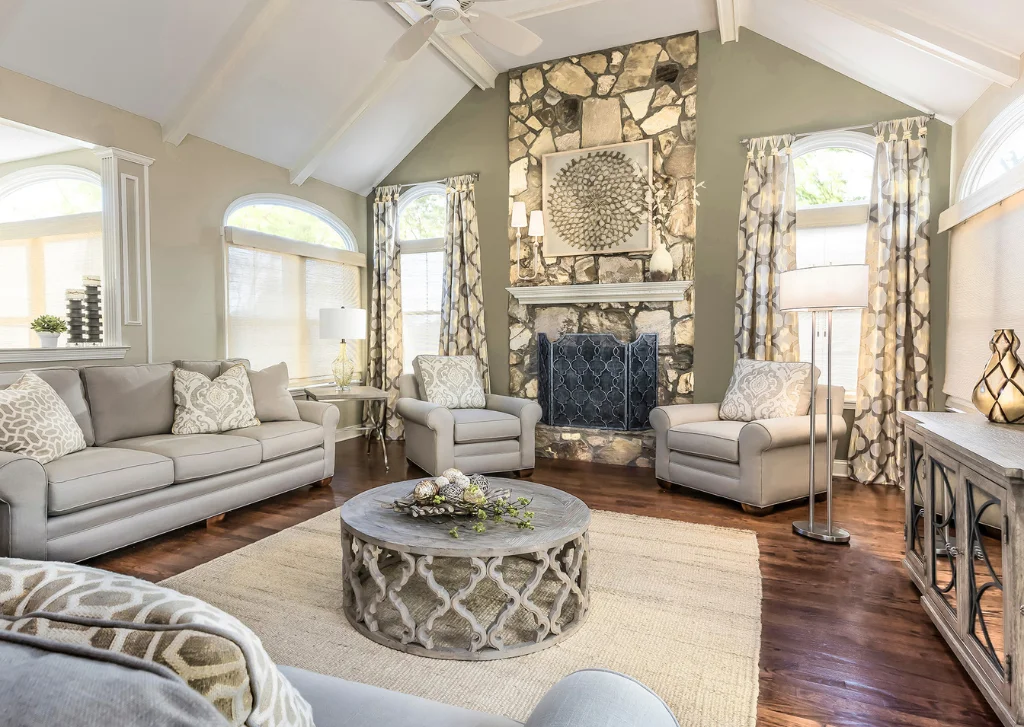
- Choose one anchor element per room, such as a feature wall, a patterned floor, or a statement lantern, and design around it
- Use neutral base tones like cream, warm white, or sand on walls and large furniture so that decorative details stand out clearly
- Backlight carved panels and mashrabiya screens with warm LEDs to bring out shadow patterns and add dramatic ambiance
- Mix textures deliberately by pairing smooth marble with rough carved wood and soft velvet with metallic accents
- Balance bold jewel tones with lighter shades so colors feel harmonious rather than heavy
Arabesque Interior Design Cost in Dubai
Budget planning is an important step before starting any interior project. Arabesque interior design in Dubai covers a wide range depending on the level of customization, materials, and scope of work.
For mid-range residential projects, expect costs between AED 150 and AED 400 per square foot. Fully customized Arabesque interiors with imported materials, handcrafted tile work, bespoke carved panels, and premium lighting can reach AED 600 or more per square foot. A complete villa fit-out typically ranges from AED 80,000 to AED 250,000 or higher, depending on property size and finish quality.
How Arabesque Interior Design Is Evolving in Dubai?
Modern Arabesque interior design is not about replicating a historic palace. It is about taking the soul of the style and giving it a fresh, livable form suited to the way people live today.
In 2026, Dubai designers are pairing traditional Arabesque patterns with clean architectural lines, neutral base tones, and smart home technology to create spaces that feel both culturally connected and thoroughly contemporary.
The mashrabiya screen is one of the strongest examples of this evolution. Originally a carved wooden lattice used for privacy and ventilation, it has now been reimagined in glass, laser-cut metal, and acrylic panels with metallic finishes like rose gold and gunmetal.
These modern versions cast the same beautiful shadow play as the originals while fitting seamlessly into open-plan villa layouts across Palm Jumeirah, Emirates Hills, and Dubai Hills.
Conclusion
Arabesque interior design in Dubai is more than a design choice. It is a way of honoring where you are and what this place means. From the intricate geometry of a mosaic floor to the soft glow of a brass lantern casting patterns on a carved wall, every element of this style speaks the language of beauty, culture, and craftsmanship.
In a city that is constantly building the future, Arabesque keeps you connected to something far deeper and longer-lasting.
If you are ready to bring this style into your home, villa, or commercial space, Atech Interiors LLC offers expert Arabesque interior design services in Dubai tailored to your space, vision, and lifestyle. Their team understands both the cultural roots of this art form and the practical demands of modern Dubai living, making them a trusted partner for bringing your design vision to life.
FAQs – Frequently Asked Questions
1. Is Arabesque design suitable for modern Dubai homes?
Yes. Modern Arabesque blends traditional patterns with contemporary materials, smart technology, and clean architectural lines. It works beautifully in Dubai villas, apartments, and commercial spaces.
2. What rooms work best with the Arabesque design?
The majlis, living room, master bedroom, and entrance hall benefit most from Arabesque design. Feature walls, mosaic tiles, and carved screens work especially well in these spaces.
3. Can Arabesque be mixed with other design styles?
Absolutely. Arabesque pairs beautifully with minimalist, contemporary, and even Scandinavian-inspired interiors. The key is using Arabesque as a focal point rather than applying it across all surfaces.
4. What are the main characteristics of Arabesque interior design?
The style is known for repeating geometric patterns, carved woodwork, mosaic tiles, decorative metal accents, and luxurious fabrics that add depth and visual interest.
5. What colors are commonly used in Arabesque interiors?
Arabesque interiors typically feature deep blues, emerald greens, rich reds, and gold accents that create warmth, elegance, and cultural authenticity.