
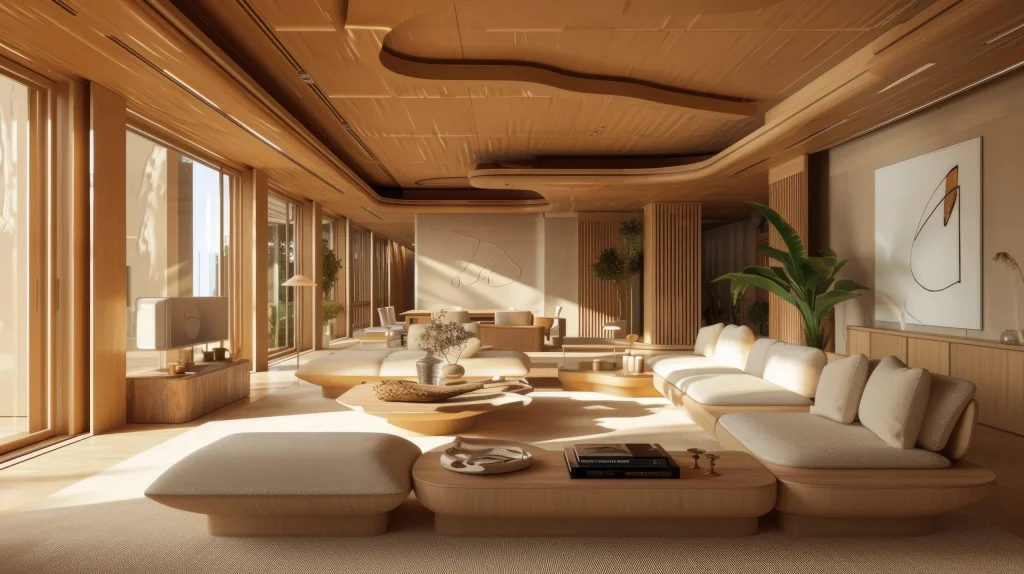
Dubai’s interiors reflect a combination of contemporary architecture, regional influences, changing lifestyles and practical requirements. From apartments and villas to offices, retail spaces and hospitality environments, every property has its own character. Understanding Interior Design Styles provides a useful starting point for deciding layouts, materials, colours, furniture, lighting and finishes before the project moves into execution.
There is no single design approach that works for every property. A residential interior may prioritise comfort and everyday living, while an office may require productivity, collaboration and brand representation. Commercial spaces can have completely different requirements depending on customer movement, operational flow and the nature of the business.
For projects in Dubai, the design also needs to work alongside practical considerations such as the existing architecture, available space, natural light, materials, services and execution requirements. A considered design connects these elements rather than treating style as a collection of furniture and decorative finishes.
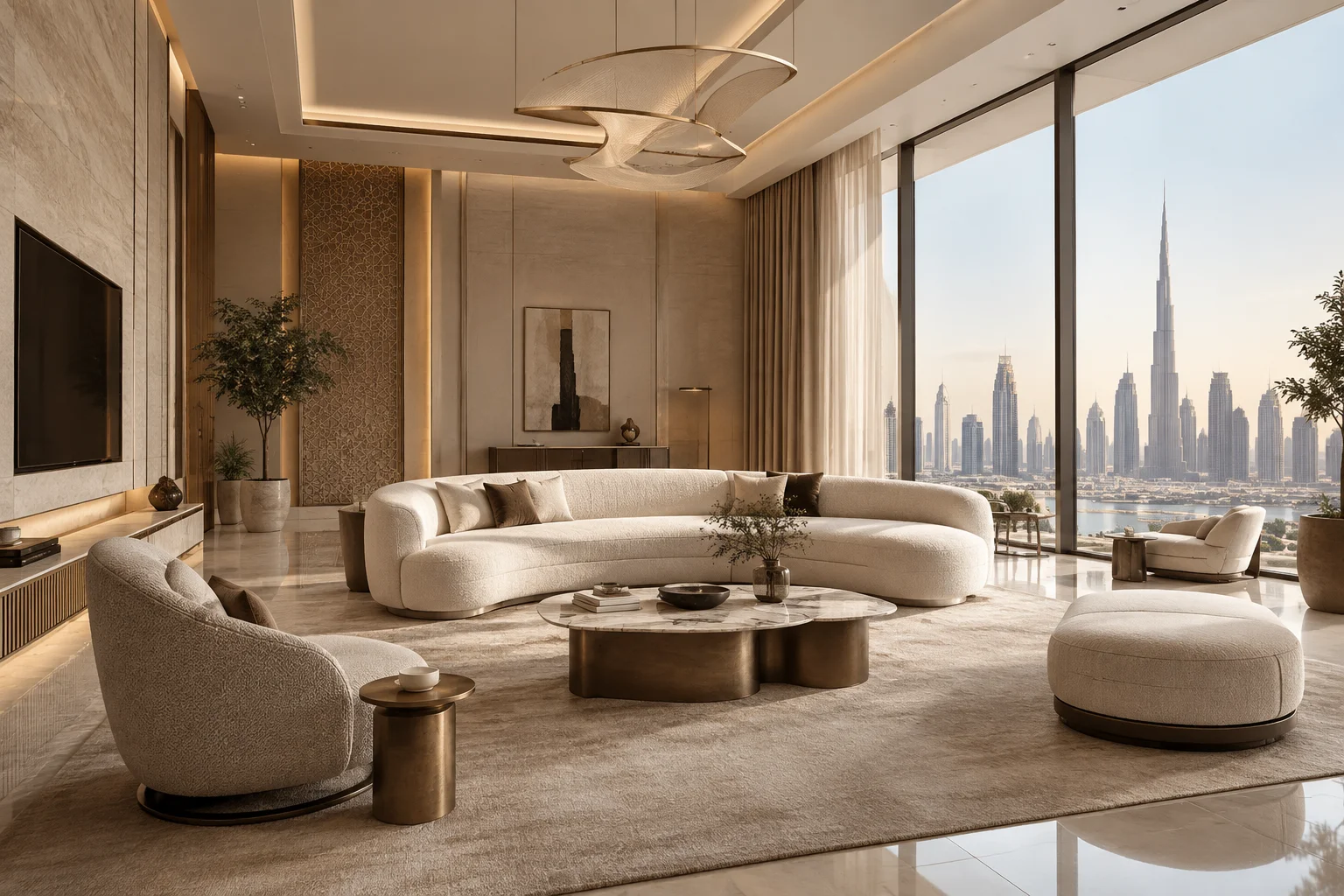
What Are Interior Design Styles?
Interior design styles are established approaches that influence the visual and functional character of an interior. They guide decisions around colour palettes, furniture forms, materials, lighting, textures, patterns and architectural details. Some styles follow clearly defined principles, while others can be adapted or combined to create a more individual environment.
Understanding Interior Design Styles at the beginning of a project creates a framework for making design decisions. Instead of selecting individual elements without a clear direction, the overall style helps determine how different components should work together. This becomes particularly important when several rooms or areas need to maintain a connected visual identity.
In Dubai, design preferences can range from clean modern interiors and contemporary spaces to minimalist environments, classic settings and Arabic-inspired interiors. The appropriate direction depends on the property, its architecture, intended use and the practical requirements of the people using the space.
Popular Interior Design Styles for Dubai Spaces
Different popular interior design styles can be adapted to Dubai properties depending on the desired atmosphere and functionality. Modern and contemporary approaches often suit offices and newer residential properties, while classic and Arabic influences can complement villas and spaces with stronger architectural detailing. Minimalist and Scandinavian principles can also work well where simplicity and practical use are priorities.
-
Modern Interior Design :
Modern interior design focuses on clean lines, simple forms, functional layouts and a controlled selection of materials. Neutral colours, integrated storage, contemporary lighting and carefully selected finishes can create a polished environment without unnecessary visual complexity.This approach can work across Dubai apartments, villas and commercial environments because the principles can be adapted to different layouts and scales. In offices, modern interiors can incorporate the organisation’s identity through furniture, materials, lighting and selected brand elements.The emphasis remains on creating a space that looks refined while continuing to support everyday use. Good proportions, practical circulation and coordinated finishes are therefore as important as the visual appearance.
-
Contemporary Interior Design :
Contemporary interior design reflects current preferences and allows greater flexibility in the selection of materials, forms and finishes. Clean architectural lines can be combined with softer furniture, natural textures, layered lighting and statement elements to create a balanced environment.A contemporary approach can suit Dubai properties where architecture, natural light and open layouts are important parts of the interior. It can also be adapted for offices, hospitality spaces and retail environments where visual identity needs to work alongside practical requirements.Unlike a rigid design formula, contemporary interiors can evolve around the property. This allows materials, furniture and detailing to respond to the specific character of the space.
-
Minimalist Interior Design :
Minimalist interior design focuses on simplicity, proportion and purposeful selection. The objective is not to make an interior feel empty, but to reduce unnecessary visual clutter and give greater importance to layout, storage, light and material quality.Warm textures, natural finishes and considered lighting can add depth while maintaining a clean appearance. For apartments and modern villas, this approach can make efficient use of available space. In workplaces, it can support organised layouts and focused environments.Minimalism can also provide flexibility. A restrained foundation allows selected furniture, artwork, lighting or architectural features to become focal points without competing with too many other elements.
-
Scandinavian Interior Design :
Scandinavian interior design combines simplicity, functionality and comfort. Light colours, natural materials, timber, soft textures and practical furniture are commonly used to create interiors that feel calm and welcoming.The approach can be adapted to Dubai properties by balancing lighter materials with the architecture and lifestyle of the occupants. It can work particularly well in residential interiors where comfort, natural light and visual simplicity are important considerations.Scandinavian principles can also influence workspace design. Simple furniture forms, practical layouts and natural finishes can create professional environments that feel comfortable and approachable.
-
Arabic Interior Design :
Arabic interior design draws from regional architecture, geometric patterns, arches, natural materials and decorative detailing. The approach can range from traditional interiors with strong ornamental elements to contemporary interpretations using selected regional references.In Dubai villas and hospitality environments, Arabic influences can be introduced through arches, textured walls, stone, timber, metal detailing and layered lighting. These elements can establish regional character while remaining compatible with modern planning and functionality.The approach does not need to rely entirely on traditional decoration. Carefully selected references can be combined with contemporary materials and furniture to create a more refined interpretation.
-
Classic Interior Design :
Classic interior design places emphasis on symmetry, proportion, refined finishes and established furniture forms. Mouldings, decorative lighting, balanced layouts and detailed materials can contribute to a formal and timeless environment.This approach can suit larger villas and properties where architectural detailing is an important part of the concept. However, classic design can also be moderated through simpler furniture, contemporary lighting and restrained finishes.The result can maintain the character of classic design while creating a space that remains relevant to modern lifestyles and practical requirements.
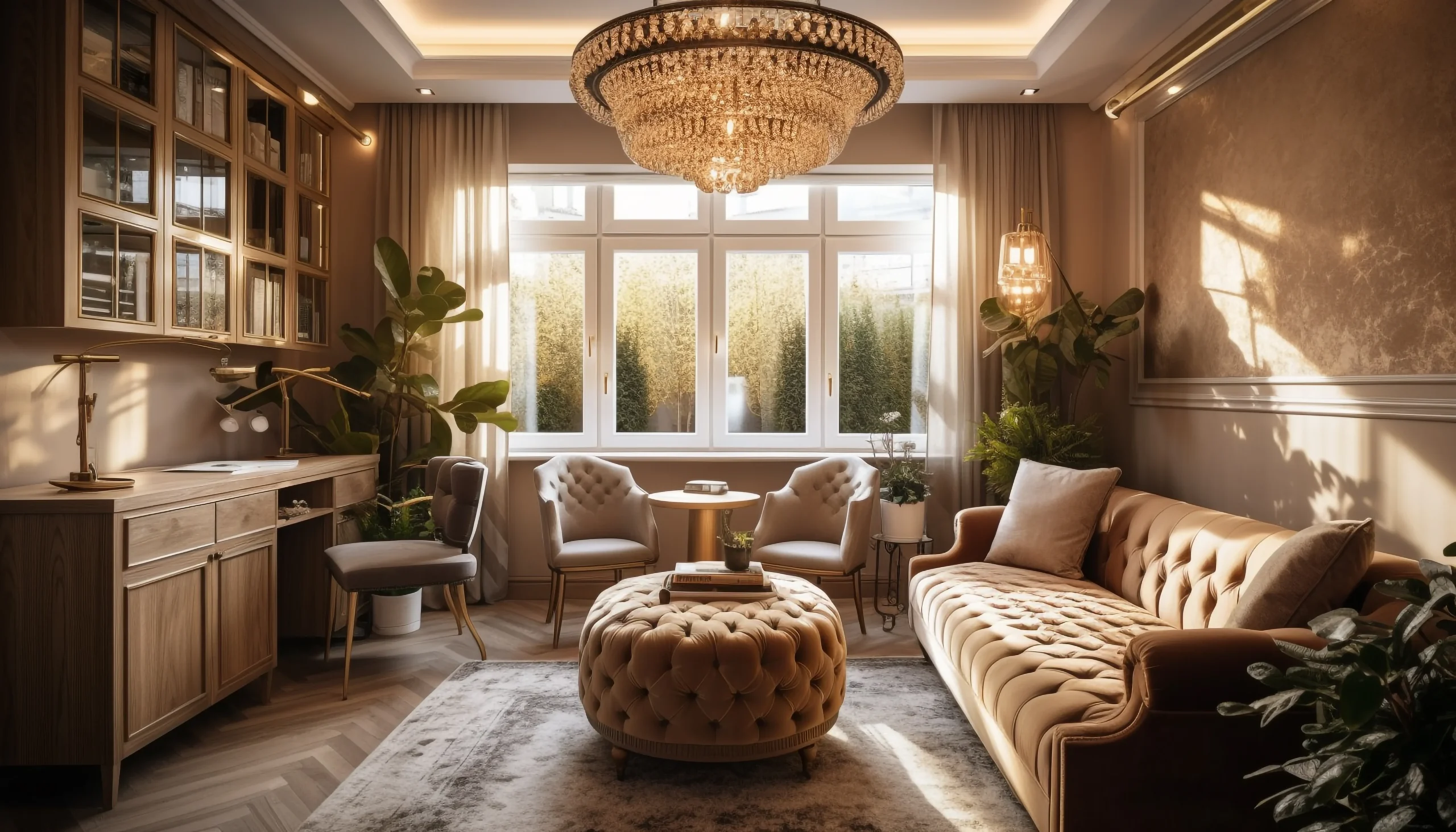
How to Choose the Right Interior Design Style
Choosing between different Interior Design Styles should begin with the property rather than with a trend. Architecture, dimensions, natural light, existing features and circulation all influence which direction can work effectively within the available space.
For residential projects, lifestyle and everyday requirements are equally important. Storage, furniture placement, family needs, entertaining areas and privacy can influence the design. A villa may allow for stronger architectural detailing, while an apartment may benefit from an efficient and visually connected approach.
Commercial interiors require another layer of consideration. Offices, restaurants, retail spaces and hospitality environments have different operational requirements. Customer movement, employee interaction, storage, lighting, branding and technical services should all be considered alongside aesthetics.
Atech Interiors brings design, fit-out and project execution together under one coordinated process. This allows the proposed visual direction to be considered alongside materials, technical requirements and practical execution. Explore the Interior & Fit-Out Services for more information.
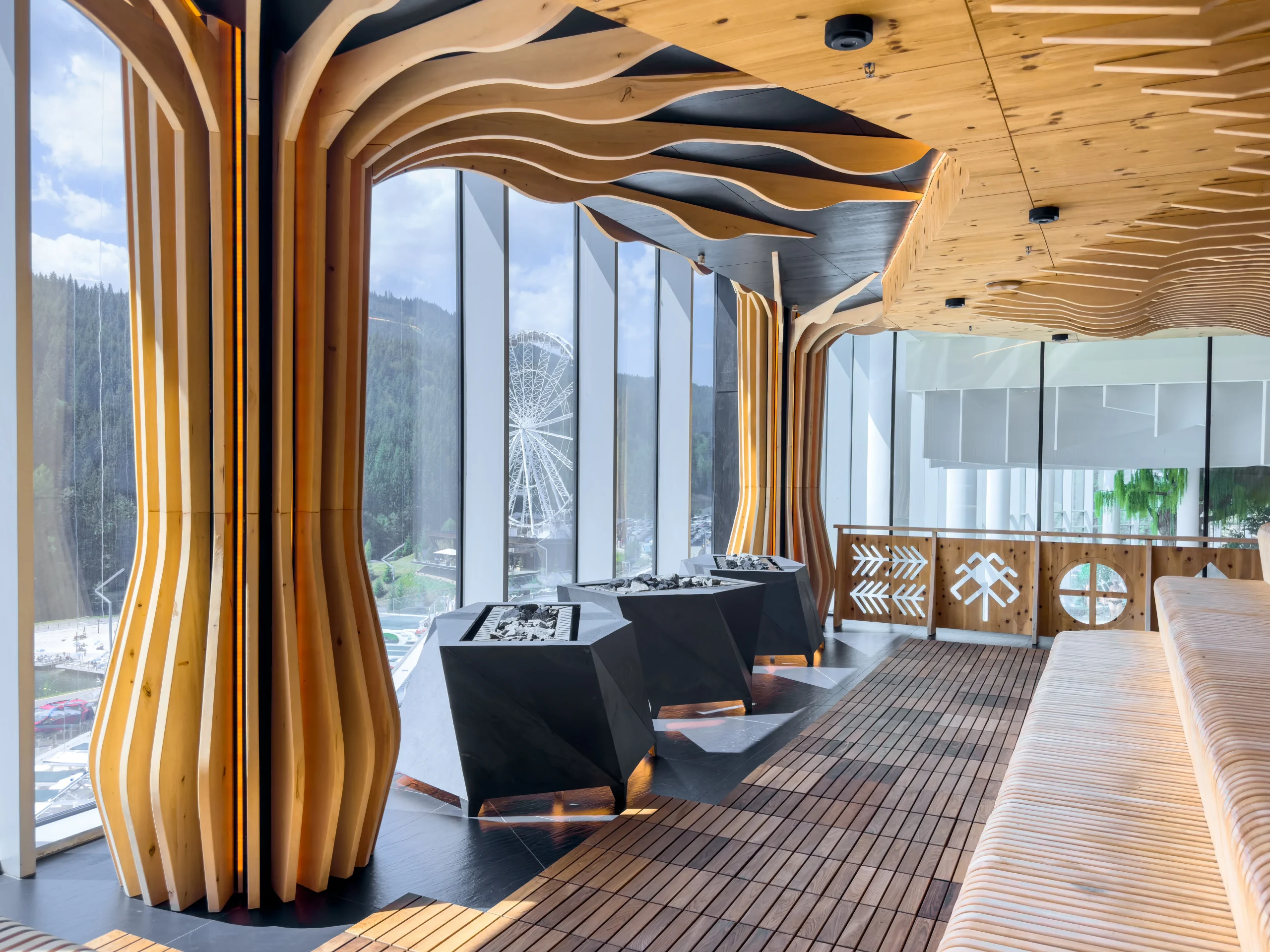
Can Different Interior Design Styles Be Combined?
Combining styles can create a distinctive interior when the different influences are connected through colour, materials, proportions, lighting or architectural detailing. A contemporary space can incorporate classic elements, while a minimalist layout can introduce Arabic-inspired patterns or natural Scandinavian textures.
The key is balance. Applying several unrelated styles equally can make a space feel inconsistent, while using one primary direction with carefully selected secondary influences can create greater depth and character.
Different rooms can also have slightly different expressions while maintaining common materials, colours or detailing. This is particularly useful for larger villas and commercial properties where each area serves a different purpose but still needs to feel part of the same overall environment.
Interior Design Trends in Dubai
Current interior design trends in Dubai increasingly combine refined aesthetics with practical functionality. Natural materials, layered lighting, customised joinery, flexible layouts and clean architectural lines are being incorporated across residential and commercial environments.
Residential interiors often focus on creating spaces that feel sophisticated while remaining comfortable for everyday living. Neutral foundations, textured finishes, tailored storage and statement lighting can provide character without overwhelming the architecture.
Commercial spaces are also becoming more experience-focused. Offices require areas for focused work, meetings and collaboration, while retail and hospitality environments need to consider customer movement, brand identity and atmosphere.
However, following every new trend is not necessarily the objective of a successful interior. Materials, layouts and finishes should be selected according to the architecture, budget, intended use and long-term requirements of the property.
From Design Concept to Completed Interior
A strong design concept needs to translate successfully into the physical space. Site conditions, dimensions, material availability, lighting positions, joinery details, technical coordination and existing services can all influence the final outcome.
This is why design and execution should be considered together from the beginning. Early coordination can identify practical challenges before development begins and provide a clearer route from the approved concept to the finished interior.
Atech Interiors combines interior design, fit-out, approvals and project execution within a coordinated process. The approach covers planning, development and handover while keeping practical project requirements connected to the proposed design direction.
For residential projects, the Residential Portfolio provides examples of different approaches to residential interiors. Commercial projects can be explored through the Commercial Portfolio.
Frequently Asked Questions
-
What are the different types of interior design styles?
Common interior design styles include modern, contemporary, minimalist, Scandinavian, classic, Arabic, industrial, traditional, mid-century modern and transitional. Each has different characteristics relating to materials, colours, furniture, lighting and architectural detailing. The appropriate style depends on the property’s architecture, intended use, lifestyle requirements and preferred visual direction.
-
What are the top 10 interior design styles?
Ten widely recognised styles include modern, contemporary, minimalist, Scandinavian, classic, Arabic, industrial, traditional, mid-century modern and transitional design. The most suitable choice depends on the property rather than popularity alone. Space, architecture, functionality, materials and long-term requirements should all be considered before establishing the final design direction.
-
What are the 7 basics of interior design?
The seven commonly discussed basics are space, line, form, light, colour, texture and pattern. These elements influence proportion, balance, functionality and atmosphere within an interior. A considered design brings them together according to the purpose of the space, ensuring that visual elements support the overall layout and practical requirements.
-
What are the latest interior design trends in Dubai?
Current Dubai interiors commonly combine contemporary aesthetics with practical functionality. Natural materials, layered lighting, customised joinery, flexible spaces, clean layouts and statement architectural details are among the approaches used across residential and commercial projects. Trends can provide inspiration, but they work best when adapted to the property’s architecture, purpose and long-term requirements.
-
Can I combine multiple interior design styles in one space?
Yes. Multiple styles can be combined when there is a clear relationship between the different elements. A contemporary foundation can incorporate classic architectural details, while minimalist spaces can include Arabic or Scandinavian influences. Consistent colours, materials, proportions or lighting can help connect different influences and maintain a cohesive overall interior.