
Introduction
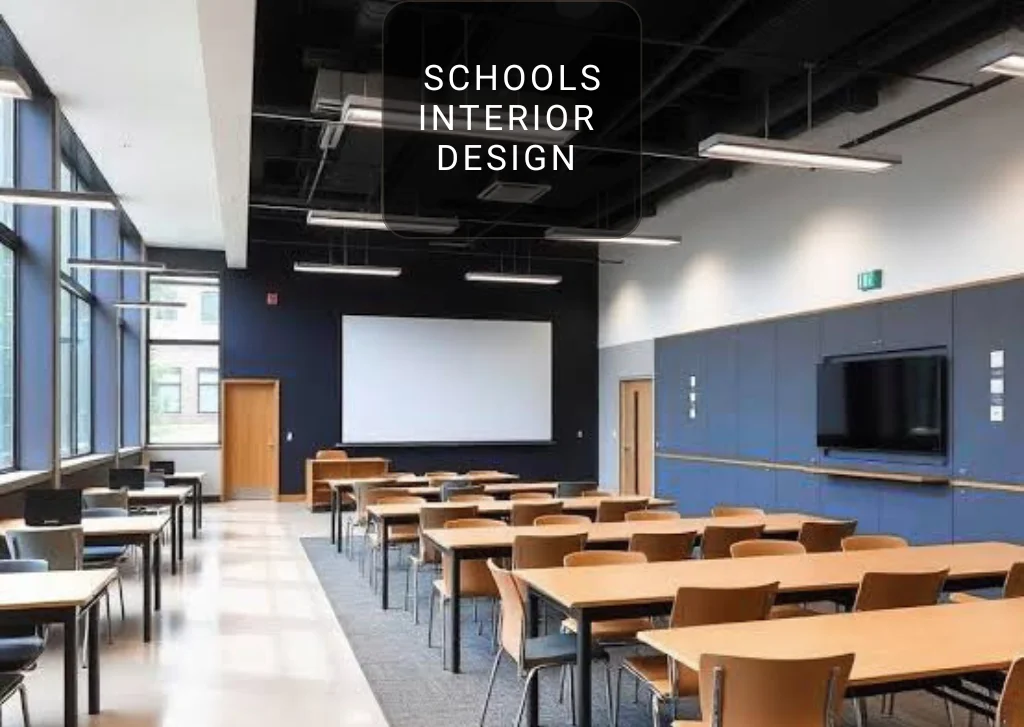
Creating an inspiring learning environment starts with thoughtful interior design for schools in Dubai. Today, schools are expected to do much more than provide classrooms—they must support academic success, student wellbeing, collaboration, and future-ready learning.
With Dubai’s growing education sector and diverse international curricula, schools are increasingly investing in spaces that encourage creativity while meeting local educational standards.
A successful school interior balances comfort, safety, technology, and functionality. From welcoming entrances to flexible classrooms and collaborative learning areas, every design decision can influence how students learn and teachers teach.
Whether planning a new campus or a school renovation project in Dubai, investing in well-designed educational spaces helps create a positive and engaging learning experience for everyone.
Why Interior Design Matters for Schools in Dubai
A well-planned learning environment plays a direct role in student engagement, teacher productivity, and daily school operations. Modern school interior design in Dubai focuses on creating spaces that encourage active learning rather than traditional lecture-based education.
Bright classrooms, comfortable furniture, and organized layouts help students stay focused while making teaching more effective.
Schools in Dubai must also meet local authority requirements while supporting different teaching styles and age groups. Parents increasingly consider the quality of facilities when choosing a school, making attractive and functional interiors an important advantage. As a result, education interior design Dubai has become an essential investment rather than simply an aesthetic upgrade.
What are the Key Elements of Effective School Interior Design?
Effective interior design for schools in Dubai combines safety, comfort, flexibility, and technology to create environments where students can perform at their best. Every element should improve the learning experience while remaining practical for long-term daily use.
Lighting Design for Focus and Wellbeing
Good lighting helps students stay alert, reduces eye strain, and creates a comfortable classroom environment. Wherever possible, classrooms should maximize natural daylight while using energy-efficient LED lighting to maintain consistent brightness throughout the day. Proper window placement and glare control also make reading, writing, and using digital screens much easier.
A balanced lighting strategy is especially important in classroom interior design Dubai, where bright natural light can enhance learning but must be carefully managed to avoid discomfort. Adjustable lighting also allows teachers to adapt classrooms for presentations, group activities, or independent study.
Acoustics and Noise Control
Clear communication is essential in every classroom. Excessive background noise can reduce concentration, make lessons difficult to follow, and increase teacher fatigue. Acoustic ceilings, insulated partitions, and sound-absorbing wall panels help create quieter learning environments where every student can hear instructions clearly.
Different school spaces require different acoustic treatments. Libraries benefit from quieter finishes, while music rooms and multipurpose halls need materials that manage sound without affecting nearby classrooms.
Age Appropriate, Ergonomic Furniture
Students spend many hours sitting every day, so furniture should support comfort as well as learning. Desks and chairs that match different age groups encourage better posture, reduce fatigue, and improve concentration throughout the school day. Rounded edges and durable materials also improve safety for younger children.
Lightweight, movable furniture gives teachers greater flexibility when arranging classrooms for different activities. This approach supports both independent learning and collaborative lessons while creating a more effective learning space design.
Flexible and Adaptable Layouts
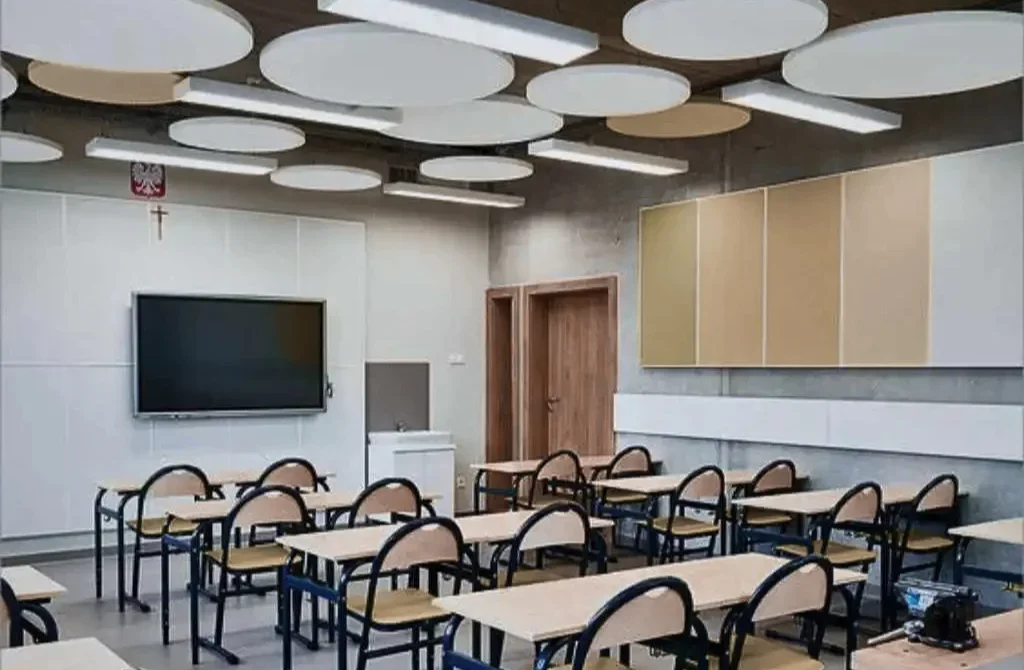
Modern education no longer depends on fixed rows of desks. Flexible layouts allow classrooms to change quickly for group discussions, project-based learning, presentations, and STEM activities. Movable furniture, flexible storage, and open collaboration zones make it easier to support different teaching styles.
A well-planned modern classroom design encourages interaction without sacrificing organization. These adaptable spaces also help schools respond to changing educational needs as teaching methods continue to evolve.
Safe, Durable, and Low Maintenance Materials
School interiors experience heavy daily use, making material selection extremely important. Durable flooring, washable wall finishes, impact-resistant surfaces, and easy-to-clean furniture reduce maintenance while extending the life of the facility. Choosing quality materials also improves hygiene and lowers long-term operating costs.
Using fire-compliant, slip-resistant, and moisture-resistant products further enhances student safety. These practical choices ensure that school environments remain attractive and functional for many years.
Ventilation and Thermal Comfort
Good ventilation and a comfortable indoor temperature help students stay focused throughout the school day. Fresh air circulation reduces stuffiness, while efficient HVAC systems maintain a pleasant environment during Dubai’s hot climate.
Proper airflow and temperature control also improve indoor air quality, making classrooms healthier for both students and teachers.
Schools should also consider air filtration and humidity control to create a more comfortable learning environment. These features support attendance, reduce discomfort, and help classrooms remain productive throughout the year.
Color Selection and Visual Comfort
The right color palette can positively influence how students feel and learn. Soft blues and greens are often used in study areas because they create a calm atmosphere, while warm accent colors can add energy to creative spaces without becoming distracting. Neutral backgrounds also reduce visual fatigue and make classrooms feel brighter and more organized.
Color should always work together with natural and artificial lighting to create visual comfort. Instead of using too many bold shades, a balanced combination helps students stay focused while giving each space its own identity.
Biophilic Design and Connection to Nature
Bringing nature into educational spaces creates a healthier and more welcoming atmosphere. Large windows, indoor plants, natural materials, and views of outdoor gardens help reduce stress while encouraging creativity and concentration. Even small design features inspired by nature can make classrooms feel more comfortable and engaging.
Outdoor courtyards and shaded learning areas also give students opportunities to learn beyond traditional classrooms. This approach supports wellbeing while creating spaces that feel open, relaxing, and connected to the surrounding environment.
What are Dubai’s KHDA and Safety Requirements for School Interiors?
School interiors in Dubai must comply with KHDA guidelines and relevant building and safety regulations before they can operate. These requirements help ensure that educational facilities provide safe, accessible, and effective environments for students and staff. During planning, designers should consider both educational needs and regulatory compliance from the very beginning.
Important areas typically include fire safety, emergency exits, accessibility, hygienic facilities, suitable classroom sizes, libraries, laboratories, staff rooms, and outdoor play spaces.
Working with an experienced company such as Atech Interiors LLC can simplify the approval process because the design is developed with local standards and operational requirements in mind.
Interior Design Solutions for Different School Spaces
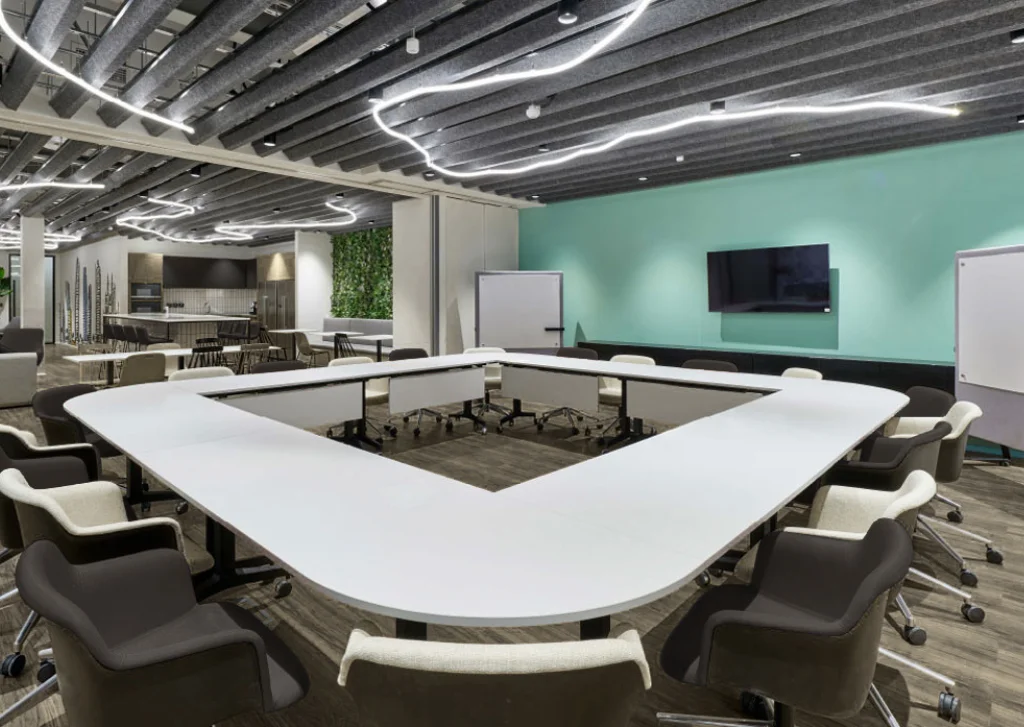
Classroom Layout and Learning Spaces
Classrooms should support both teacher-led lessons and student collaboration. Flexible seating, interactive teaching walls, built-in storage, and clearly defined learning zones allow teachers to adapt lessons without disrupting the classroom.
These features are becoming increasingly common in smart classroom design, where technology and furniture work together to improve engagement.
School Library and Resource Center Design
Modern libraries have evolved into multifunctional learning hubs rather than simple book storage areas. Comfortable reading corners, collaborative study tables, digital learning stations, and quiet research spaces allow students to work independently or in groups. Natural lighting and comfortable seating make these areas more inviting and encourage regular use.
Science Labs and Workshop Design
Science laboratories should combine functionality with safety. Durable worktops, proper ventilation, secure storage for equipment, emergency wash stations, and clearly marked safety features allow practical learning to take place in a controlled environment. Flexible workstations also make it easier to accommodate different subjects and class sizes.
Administrative Offices and Staff Rooms
Teachers and administrators also need spaces that support productivity and wellbeing. Private offices, meeting rooms, comfortable staff lounges, and organized storage help staff manage their daily responsibilities more efficiently. A well-designed administrative area also creates a professional first impression for parents and visitors.
Common Areas, Hallways, and Cafeterias
Common spaces connect the entire school community. Wide hallways, clear wayfinding signs, student display walls, and informal seating areas encourage interaction while improving movement throughout the building. Cafeterias should be designed with hygienic layouts, efficient serving areas, and durable finishes that can withstand heavy daily use. For a complete cafe interior design guide, click here.
Outdoor Spaces and Playgrounds
Outdoor environments play an important role in physical activity, recreation, and informal learning. Safe playground equipment, shaded seating, landscaped gardens, walking paths, and sports areas provide students with opportunities to stay active while enjoying fresh air. Thoughtfully designed outdoor areas also support school events and collaborative activities beyond the classroom.
Incorporating Technology in School Interior Design
Technology has become an essential part of modern education, so school interiors should be designed to support both digital learning and traditional teaching methods.
A well-planned interior design for schools in Dubai includes reliable Wi-Fi coverage, interactive displays, charging points, and flexible spaces that can easily adapt to future technologies. Instead of adding technology as an afterthought, it should be integrated into the overall design from the beginning.
Many schools are also creating dedicated areas for digital learning, hybrid classes, and collaborative projects. Features such as interactive whiteboards, digital notice boards, and smart storage solutions improve classroom efficiency while keeping learning spaces organized.
These upgrades are becoming increasingly important for schools planning a school fit-out Dubai project that meets the expectations of today’s students and teachers.
How is Sustainability Built Into School Interior Design in Dubai?
Sustainability is built into interior design for schools by using energy-efficient systems, environmentally friendly materials, and durable finishes that reduce long-term operating costs.
Schools across Dubai are adopting LED lighting, low-VOC paints, recycled materials, water-saving fixtures, and efficient air-conditioning systems to create healthier learning environments. These choices not only reduce environmental impact but also improve indoor comfort for students and staff.
Sustainable design also focuses on maximizing natural daylight, improving ventilation, and selecting materials that require less maintenance over time. For schools planning a refurbishment in Dubai, investing in sustainable solutions can lower future maintenance costs while supporting environmental responsibility.
What are the Latest School Interior Design Trends in Dubai?
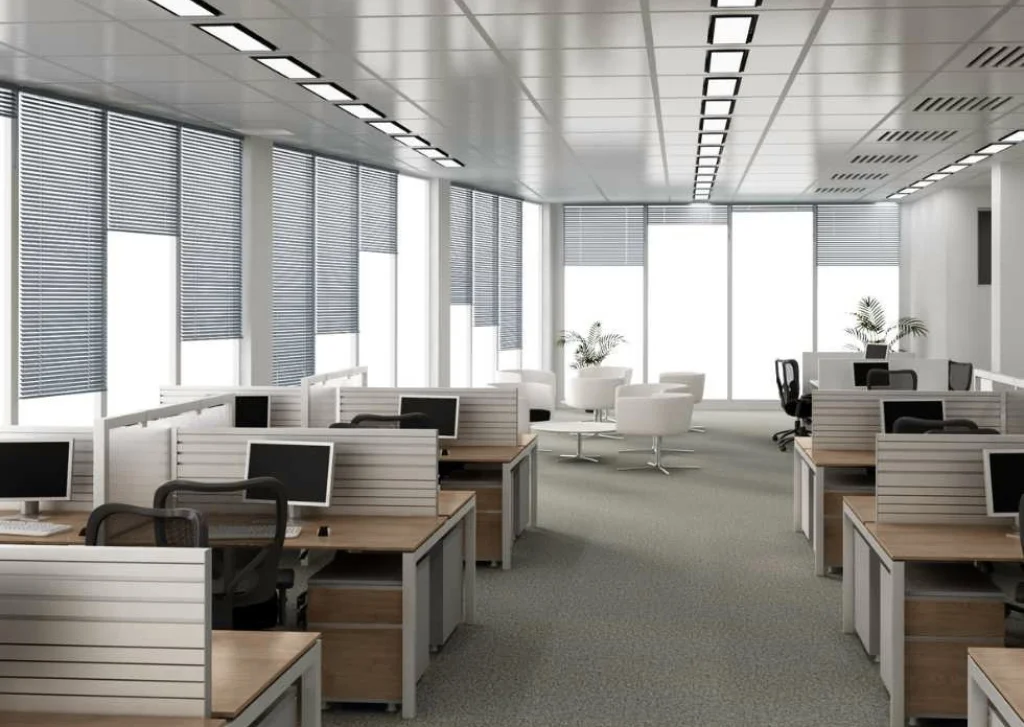
The latest school interior design trends in Dubai focus on flexibility, student wellbeing, technology, and sustainability. Educational spaces are moving away from traditional layouts and embracing adaptable environments that encourage creativity, teamwork, and independent learning. Schools are also investing in spaces that can support future teaching methods without requiring major renovations.
Some of the most popular trends include:
- Flexible classrooms with stackable furniture
- STEM and innovation labs
- Collaborative breakout spaces
- Wellness-focused interiors
- Biophilic design with natural elements
- Inclusive learning environments
- Digital libraries and interactive learning zones
- Sustainable materials and energy-efficient lighting
How Much Does School Interior Design Cost in Dubai?
The cost of interior design for schools in Dubai typically ranges between AED 150 – AED 900+, depending on the project size, level of customization, material selection, technology integration, and the scope of construction work. The cost estimation for different project types is as follows:
These estimates may vary depending on approvals, MEP upgrades, custom joinery, and project complexity. Working with an experienced school fit-out company in Dubai helps schools prepare accurate budgets while ensuring compliance with local requirements.
Final Words
A successful interior design for schools in Dubai creates much more than attractive classrooms. It supports learning, protects student wellbeing, improves teacher productivity, and helps schools meet local regulations while preparing for future educational needs. Every design decision, from lighting and furniture to technology and sustainability, contributes to a better learning experience.
Whether you are developing a new campus or upgrading an existing facility, careful planning is essential for long-term success. Companies like Atech Interiors LLC provide customized educational interior design UAE solutions that combine functionality, compliance, and modern design to create inspiring educational environments across Dubai.
FAQs – Frequently Asked Questions
1. How long does a school fit-out take in Dubai?
A school fit-out usually takes 3 to 8 months, depending on the project’s size, approvals, custom work, and construction complexity. Smaller refurbishments can often be completed during school holidays, while larger projects require more detailed planning.
2. Can schools be renovated during term time in Dubai?
Yes. Many schools complete renovation work during evenings, weekends, or holiday periods to reduce disruption. Large projects are often completed in phases so that teaching can continue safely.
3. Is KHDA approval required before construction starts?
Yes. Schools generally need the required approvals from KHDA and other relevant authorities before major construction or significant alterations begin. Obtaining approvals early helps prevent delays during the project.
4. What happens if an interior design for schools fails a KHDA inspection?
If an inspection identifies issues affecting safety or compliance, the school is normally required to correct them before final approval or continued operation. Addressing these requirements promptly helps avoid unnecessary delays.
5. How do you choose the right school interior design company in Dubai?
Choose a company with experience in educational projects, knowledge of local regulations, a strong project portfolio, and the ability to manage design, approvals, and construction under one roof. Clear communication and after-project support are also important factors.
6. What’s the difference between a school fit-out and a school renovation?
A school fit-out transforms a new or shell building into a fully functional educational facility, while a school renovation improves or modernizes an existing building by upgrading selected areas or systems.
7. Is it cheaper to renovate an existing school interior or fit out a new building?
It depends on the condition of the existing building. Renovating a well-maintained facility is often more economical, while fitting out a new shell building may be more cost-effective than making extensive structural changes to an older property.