
Introduction
Creating a beautiful home is not only about buying expensive furniture or decorations. The real secret lies in how you arrange and style those items. Interior designers often follow certain interior design styling rules that help a space feel balanced, organized, and visually pleasing. One of the most popular techniques used by designers today is the 3-5-7 rule in interior design.
This simple rule is based on the idea of grouping decor items in odd numbers to create natural balance and movement. It is considered one of the most effective interior design composition techniques for styling shelves, tables, and decorative spaces. Whether you live in a modern apartment or a luxury villa in Dubai, this rule can help you transform ordinary rooms into stylish and welcoming spaces.
What is the 3-5-7 Rule?
Many people ask, What is the 3-5-7 rule in interior design? It is a simple styling guideline that suggests arranging decorative objects in groups of three, five, or seven. Designers believe that odd numbers make decor arrangements look more natural and interesting compared to even numbers.
This approach is part of the odd number rule in interior design, which helps create visual movement and balance. When you arrange decor items in odd numbers, the eye naturally travels across the arrangement instead of focusing on a single pair. This makes the space feel more dynamic and professionally styled. You can easily apply this rule to your space during the villa renovation in Dubai.
1. Rule of 3
The rule of three in interior design is the easiest way to start using the 3-5-7 concept. A group of three decorative objects creates a simple but attractive arrangement that works well on small surfaces. Designers often use one tall item, one medium item, and one small object to create a balanced look.
This method works perfectly on coffee tables, bedside tables, and small shelves. It allows homeowners to style their spaces without making them look crowded. If you are learning how to style home decor with odd numbers, starting with three items is usually the best approach.
2. Rule of 5
When you have a larger surface such as a hallway table or dining table, five items can create a richer arrangement. The rule of five allows you to add more variety in shapes, textures, and heights while still maintaining balance. Designers often divide the items into smaller clusters to keep the composition natural.
Using five decorative pieces also helps add layers to your interior styling. This technique is commonly used in home decor styling tips for shelves and tables where more visual depth is needed. It allows the arrangement to feel full without becoming messy.
3. Rule of 7
The rule of seven is often used in larger decorative displays where more visual impact is required. This could include gallery walls, large bookshelves, or spacious dining tables. Seven objects allow designers to combine different materials and shapes while maintaining harmony.
Large homes or open layouts benefit from this arrangement because it creates a stronger visual presence. However, designers still make sure that the items vary in height and texture. This prevents the space from looking crowded while maintaining a stylish appearance.
Why the 3-5-7 Rule Works Perfectly in Dubai’s Homes?
Dubai homes often feature modern architecture, luxury materials, and elegant decor elements. The 3-5-7 rule in interior design works well in these spaces because it helps organize decorative objects in a balanced and smart way. It allows designers to combine materials such as marble, glass, metal, and wood without overwhelming the room.
Many villas and apartments in the UAE use layered interior styling that blends minimalism with luxury. By grouping decor items in odd numbers, designers can maintain elegance while still adding character to the space. This balance is especially important in high-end interiors where too many decorations can easily feel cluttered.
Applying the Rule in Different Spaces
1. Living Room
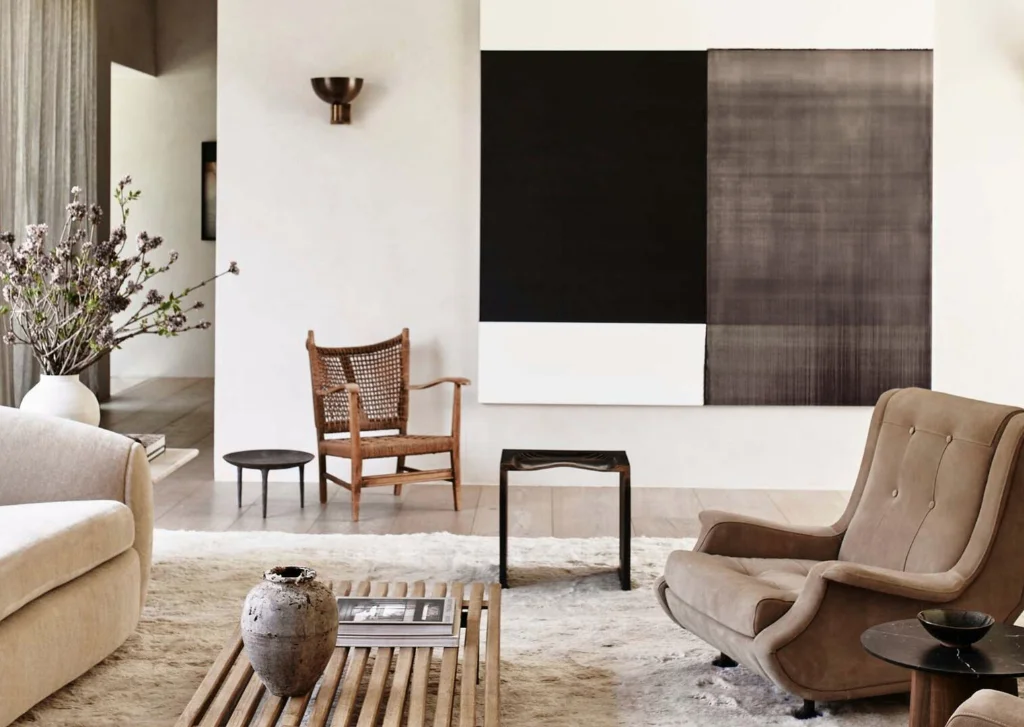
The living room is often the first place where people apply the odd number rule in interior design. Coffee tables, hallway tables, and mantels are perfect spots for arranging decor in groups of three or five. This creates a focal point that draws attention without looking overcrowded.
Throw pillows are another easy way to follow the rule of three in interior design. Placing three or five cushions on a sofa adds warmth and personality to the space. This simple trick can make a living room feel both cozy and stylish.
2. Bedroom
Bedrooms benefit from simple and relaxing decor arrangements. Nightstands can be styled with three items such as a lamp, a book, and a small plant. This keeps the surface clean while still adding personality.
3. Dining & Kitchen Spaces
Dining tables and kitchen counters are ideal places to experiment with the 3-5-7 rule. A centerpiece made of three candles or three vases can instantly elevate a dining table. For longer tables, five decorative elements can create a more balanced arrangement.
Kitchen counters can also benefit from this styling approach. A fruit bowl, a utensil holder, and a small plant arranged together can create a simple yet attractive display.
4. Shelving & Accessories
Shelves and display cabinets provide the perfect opportunity to practice grouping decor items in odd numbers. Instead of placing objects randomly, designers create small clusters that guide the eye across the shelf.
Here are some home decor styling tips for shelves and tables:
- Combine books, plants, and decorative objects in groups of three
- Mix different heights and shapes for visual interest
- Leave empty space so items do not look overcrowded
- Use trays or boxes to group smaller objects together
These simple techniques help shelves look organized and professionally styled.
Why Do Odd Numbers Look Better Than Even Numbers
Odd numbers create a natural visual rhythm that makes a space feel dynamic. When objects are arranged in pairs, the brain quickly groups them together and moves on. However, odd-number arrangements keep the eye moving across the display.
This is why many designers and I prefer the odd number rule in interior design. It prevents decor arrangements from feeling too symmetrical or rigid. Instead, the space feels more relaxed and visually engaging.
When You Can Use Even Numbers and Break the Rule
Although the 3-5-7 rule is very effective, it is not a strict rule that must always be followed. Sometimes, even numbers can create beautiful symmetry, especially in formal or traditional interiors. The key is to understand when symmetry works better than asymmetry.
For example, two bedside lamps on each side of the bed can create a balanced and elegant look. Similarly, two chairs near a fireplace can frame the space nicely. In these situations, symmetry adds structure and calmness to the design.
What Items Work Best for Grouping in Odd Numbers
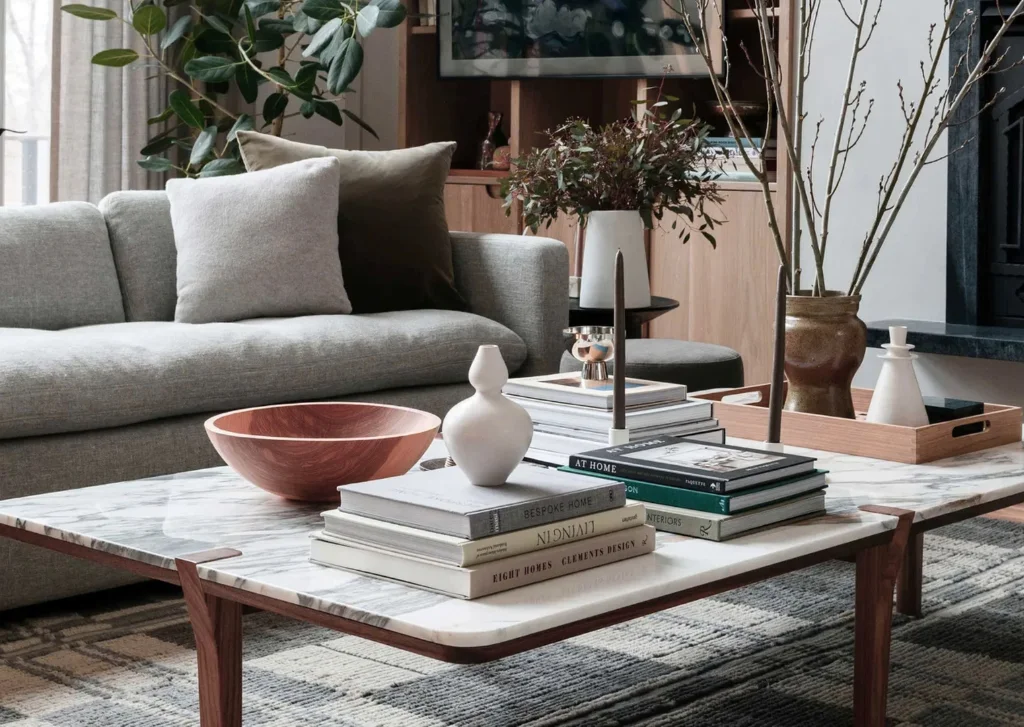
Many different decor items work well when arranged in odd-number groups. Designers often combine objects that vary in height, shape, and material. This helps create visual contrast and interest.
Some popular items include:
- Candles
- Decorative vases
- Indoor plants
- Books and magazines
- Picture frames
- Decorative bowls
These items are commonly used when learning how to style home decor with odd numbers. Mixing these elements can create a balanced and attractive display in any room.
Easy Examples of the (3 5 7) Rule You Can Do Today
If you want to try this styling technique at home, start with simple arrangements. A coffee table can be styled with a plant, a stack of books, and a decorative bowl. This small grouping instantly creates a polished look.
You can also apply the rule to shelves or entryway tables. Three framed photos, five decorative items on a console, or seven objects on a bookshelf can transform the appearance of the entire space.
Mistakes to Avoid When Using the 3-5-7 Rule
When applying the 3-5-7 rule in your home, it’s easy to make common errors that can reduce the visual impact of your decor.
Avoid these mistakes:
- Using objects that are the same size or shape, which can make the arrangement look flat.
- Ignoring height and texture variations, reducing visual interest.
- Overcrowding surfaces with too many items, creating clutter.
- Neglecting empty space, which helps the arrangement breathe and stand out.
5 Problems You’ll Face If You Ignore the Rule
Ignoring basic interior styling principles can make a space feel unorganized. Without structure, decorative items often end up scattered randomly around the room. This can make the home look unfinished.
Here are some common problems:
- Surfaces may look cluttered and messy
- Rooms may lack a clear focal point
- Decorative items may feel randomly placed
- Small spaces may appear overcrowded
- The overall design may look unbalanced
Using simple interior design styling rules like the 3-5-7 technique helps avoid these issues.
Why Hiring a Professional Makes All the Difference?
While many homeowners enjoy decorating their spaces, professional designers bring a deeper understanding of design balance and styling. They know how to combine colors, textures, and furniture in ways that create harmony throughout the home.
In Dubai, Atech Interiors LLC is known for offering high-quality interior design services that transform homes and commercial spaces. Their experienced designers apply professional techniques, including the 3-5-7 rule in interior design, to create elegant and functional interiors tailored to each client’s needs.
Final Words
Decorating a home does not always require complicated design strategies. Sometimes, a simple approach like the 3-5-7 rule in interior design can make a huge difference. By arranging objects in groups of three, five, or seven, you can create spaces that feel balanced, stylish, and inviting.
If you understand what is the 3-5-7 rule in interior design, you can easily apply it to tables, shelves, and decorative areas throughout your home. With a little creativity and thoughtful arrangement, your living space can look beautifully designed without needing a complete renovation.
FAQs – Frequently Asked Questions
1. How can you create a focal point using the 3‑5‑7 rule in interior design?
Using odd-number groupings, place one standout item centrally while surrounding it with complementary pieces to naturally draw the eye.
2. How should you vary height, texture, and shape when grouping decor items?
Mix tall, medium, and low items with different materials and shapes to create depth, visual interest, and a balanced composition.
3. What surfaces in a home benefit most from odd-number decor styling?
Coffee tables, mantels, sideboards, and shelves are ideal for applying odd-number arrangements to enhance flow and visual appeal.
4. How can the rule of three improve color balance in a room?
Combine a dominant, secondary, and accent color in a three-tier approach to maintain harmony while adding visual interest.
5. What is the triangle method used in odd-number decor styling?
Arrange three objects at different heights to form a triangular shape, guiding the viewer’s eye and creating dynamic balance.