
Introduction
Designing a beautiful home is not only about buying expensive furniture or following trends. It is about balance, proportion, and knowing how much of each element to use. Many homeowners often ask, what is the 70/30 rule in interior design? because they want a simple formula that works.
This rule offers a clear and practical way to create balance without overthinking every detail. It helps you mix style and personality while keeping your space calm and organized.
When you walk into a room that feels “just right,” chances are good balance is behind it. Too much of one color or style can make a room feel boring or overwhelming.
The 70/30 approach solves this problem in a very easy way. It divides the room into a dominant portion and a supporting accent portion. This simple idea can completely transform how your home looks and feels.
Understanding the 70/30 Rule
The 70/30 rule means that 70 percent of a room should follow one main style, color, or theme. The remaining 30 percent is used for contrast and personality. The larger portion creates a stable base that feels consistent and comfortable. The smaller portion adds excitement without taking over the space. Together, they create a balanced and welcoming environment.
In simple terms, the rule works like this:
- 70% = Main color, furniture, and overall design style
- 30% = Accent colors, statement pieces, and decorative details
This method keeps rooms from looking flat or messy. It allows creativity while maintaining order. Instead of guessing what looks good, you follow a clear structure. That structure helps you design with confidence.
Origins and Design Theory Behind the Rule
The 70/30 rule is rooted in classic design principles like balance and proportion. Designers have long understood that spaces need both consistency and variation. Too much sameness makes a room dull, while too much contrast creates visual stress. This ratio creates a healthy middle ground. It ensures the eye moves naturally through the space.
Design theory also teaches the importance of visual hierarchy. Our eyes prefer to see a clear dominant element with smaller supporting details. When everything competes for attention, nothing stands out. The 70/30 split solves this by clearly defining what leads and what supports. That is why this rule feels natural and pleasing to most people.
How to Apply the 70/30 Rule in Different Rooms
Living Room
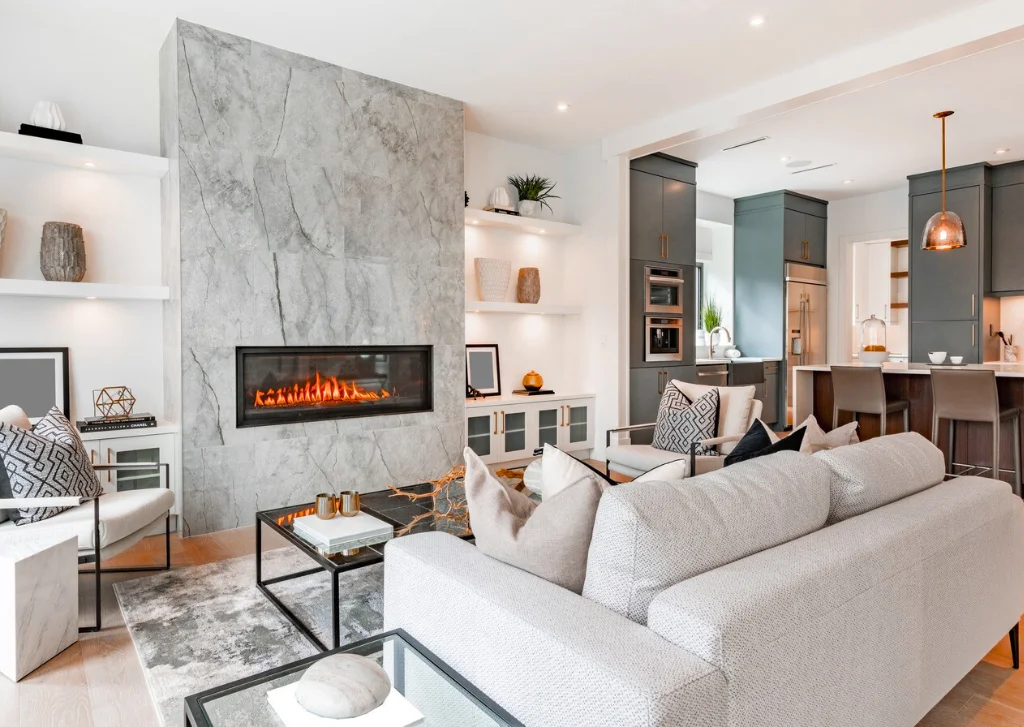
In a living room, the sofa, walls, and main rug usually form 70 percent. These pieces should follow one clear color palette or design theme. This creates a clean and welcoming base. The space feels organized from the moment you enter. It also makes decorating much easier.
The remaining 30 percent can include cushions, artwork, lamps, and small décor pieces. These accents bring life and personality to the room. You can experiment with patterns or bold shades here. If trends change, you can update these smaller items without redesigning everything. This keeps the living room fresh and stylish.
Bedroom
A bedroom should feel calm and restful, so the 70 percent should focus on calm tones and simple furniture. The bed, wardrobe, and walls usually define this base. Soft neutrals or muted colors work very well here. They create a peaceful atmosphere for better relaxation. The room feels balanced and uncluttered.
The 30 percent can be added through throws, decorative pillows, bedside lamps, and artwork. These elements add warmth and character. Because they are smaller, you can change them seasonally. This keeps the bedroom interesting without disturbing its calm vibe. Balance is the secret to comfort.
Kitchen and Dining Area
In kitchens, cabinets, countertops, and flooring often form 70 percent. These surfaces should follow a consistent color and material theme. A clean and unified base makes the space look modern and organized. It also increases the visual value of the kitchen. Consistency here is very important.
The 30 percent can include bar stools, light fixtures, backsplash details, or table décor. These accents add charm and style. You can introduce bold colors or metallic finishes in this portion. Since they are not permanent, updates are simple. This keeps the kitchen both practical and attractive.
Office Room
In a home office, the desk, storage units, and wall color usually create 70 percent. This base should feel professional and distraction-free. Neutral tones and simple layouts work best for productivity. A consistent theme helps maintain focus. It also makes the workspace feel organized.
The 30 percent can include statement chairs, artwork, or decorative lighting. These details make the office inspiring instead of dull. A small pop of color can boost creativity. The balance between calm and energy is essential here. That is how you create a productive yet stylish workspace.
Applying the 70/30 Rule to Key Design Elements
Furniture and Layout Proportion
Large furniture pieces usually carry more visual weight. Sofas, beds, and dining tables should follow one consistent style for 70 percent. This keeps the layout well-organized. It also prevents overcrowding. Proportion is more important than the number of items.
Accent furniture, like side tables or statement chairs, makes up the 30 percent. These pieces introduce contrast in shape or color.
Textures and Materials
Textures add depth to any room. Smooth finishes like painted walls or polished floors often make up 70 percent. This keeps the space clean and visually calm. A simple base allows other materials to shine. The room feels well-organized.
The 30 percent can include textured rugs, woven baskets, or velvet cushions. These elements bring warmth and richness. Mixing soft and rough surfaces adds dimension. Because they are limited, the design stays controlled. Texture balance enhances comfort.
Lighting and Structural Elements
Lighting should also follow a balanced structure. Most of the light in a room should come from functional sources like ceiling fixtures. This forms 70 percent of illumination. It ensures the space is bright and practical. Proper lighting improves every design detail.
Accent lighting makes up the remaining 30 percent. Table lamps, wall lights, or decorative pendants add mood and focus. They highlight artwork or special corners. This layered lighting makes the room feel inviting. Structure and atmosphere work together beautifully.
Why the 70/30 Rule Works So Well
The Psychology of Visual Comfort
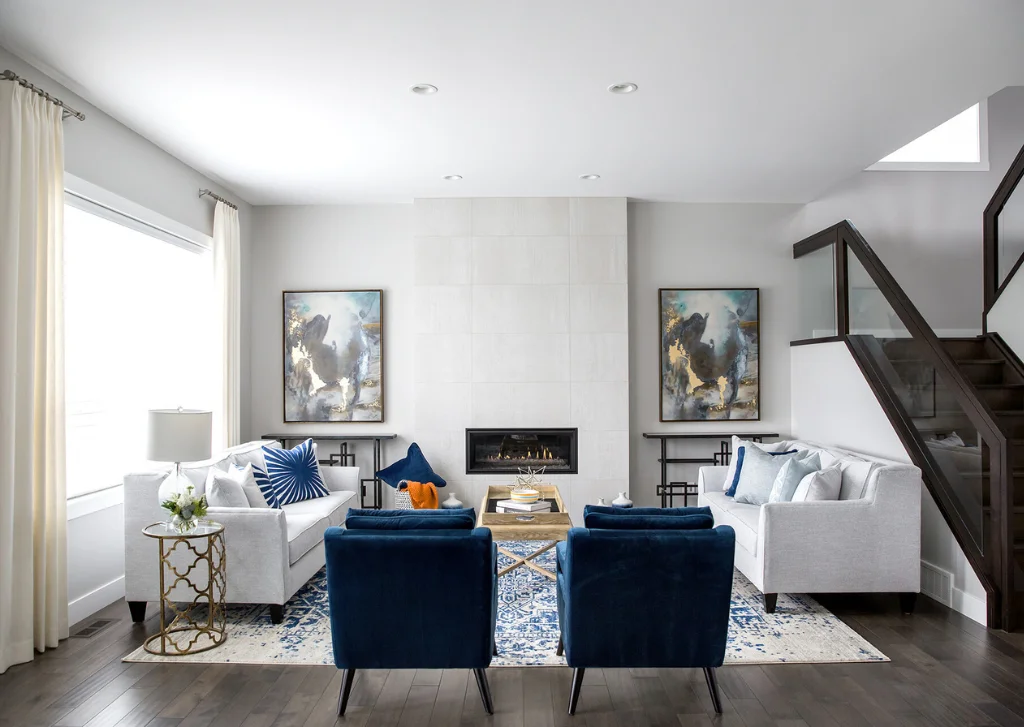
Our brains like order and clarity. When too many elements compete for attention, we feel uneasy. A dominant 70 percent gives the eye a place to rest, and the remaining 30 percent adds healthy stimulation. This psychological balance is why the rule works in almost every setting.
Creating Clear Focal Points
Every room needs a focal point. The 30 percent portion often creates that focus. It could be a bold artwork, a colorful chair, or a dramatic light fixture. Because it contrasts with the base, it naturally draws attention.
Without contrast, nothing stands out, and the room may feel flat and uninteresting. The rule ensures one element shines while the rest supports it. That is how strong focal points are created.
Popular 70/30 Rule Style Combinations
Some popular combinations are:
- Modern with traditional touches
- Minimalist with bohemian accents
- Clean lines with bold colors
Understanding the Difference Between 70/30 and 80/20 Rules
The 70/30 and 80/20 rules are both helpful guidelines in interior design, but they are used in slightly different ways depending on how much focus you want on the main elements of a room.
The 70/30 rule sets 70% of the space for main features like furniture, wall colors, and flooring, while 30% is for accent items, patterns, or contrasting colors, creating a balanced and pleasing look.
The 80/20 rule gives even more focus to the main features, using 80% of the space for them and only 20% for accents. This makes the room feel simpler, calmer, and more uniform, with just a small touch of personality.
You can choose between the two rules based on your goal: 70/30 adds more energy and contrast, while 80/20 keeps the space simple, neat, and elegant.
Budget Friendly Ways to Use the 70/30 Rule
You do not need a large budget to apply this rule. Focus your spending on the 70 percent base first. Choose timeless furniture and neutral finishes, as these items will last longer and support future updates.
For the 30 percent, choose affordable items that are easy to change. Items like cushions, wall art, plants, and decorative lighting are budget-friendly as you can refresh them seasonally. This keeps your space updated without major renovation.
Common Mistakes to Avoid
Overcomplicating the Color Palette
Using too many colors weakens the effect of the rule and creates confusion. A limited palette always feels elegant, so always choose one main shade and one or two accents.
Mixing Too Many Styles
Blending multiple design styles without control creates chaos. Limit yourself to one main style and one secondary style. This keeps the look beautiful and attractive.
Ignoring Lighting
Poor lighting can distort colors and textures. Even a well-balanced room can look dull in bad light. Always plan lighting in such a way that it highlights both the 70 and 30 portions clearly.
Lack of Consistency Across Rooms
Each room can have its own personality, but there should be a common thread. Repeating certain colors or materials creates flow, and without continuity, the home feels disconnected.
Pro Tips from an Interior Design Company
Pro tips from Atech Interiors LLC, an interior design company in Dubai, are as follows:
- Start with a clear vision
- Choose the dominant style and stay consistent with it
- Add accent elements slowly instead of all at once
- Review the space from different angles to check visual balance.
- By following these tips, you can elevate the outcome significantly
Conclusion
The 70/30 rule in interior design is a simple yet powerful principle that helps create balanced and visually appealing spaces. By dedicating 70% of a room to dominant elements and 30% to accents, you can achieve harmony without making the space feel boring or messy.
This rule works across colors, furniture, textures, and lighting, making it flexible for any room or style. Avoiding common mistakes, like overcomplicating colors or mixing too many styles, ensures the design remains unified and inviting.
When applied thoughtfully, the 70/30 rule allows homeowners to create spaces that are both functional and stylish, reflecting their personality while maintaining elegance.
FAQs – Frequently Asked Questions
1. What exactly counts as the 70% and the 30% when applying the 70/30 rule in interior design?
The 70% includes dominant elements like walls, large furniture, and main colors, while the 30% is for accents such as decor, cushions, and small furniture that add contrast.
2. Can the 70/30 rule be used in small apartments or compact rooms?
Yes, it works in small spaces by using lighter tones and smaller accent pieces to maintain balance without overcrowding.
3. How do I choose the best accent elements for the 30% portion of a room?
Select accent elements that complement your main theme, such as bold colors, patterned textiles, or unique decorative pieces that draw attention without overpowering.
4. Does the 70/30 rule work for color, texture, and furniture, or is it only for paint and decor?
It applies to all major design aspects, including color, furniture, textures, lighting, and accessories, to create a well-balanced space.
5. Is the 70/30 rule a strict rule or just a guideline that can be adapted?
It is a flexible guideline that can be adjusted slightly based on room size, personal style, or functional needs.